
2026 Oakville Townhouse Spring Maintenance Guide
Introduction to Spring Maintenance in Oakville
Spring in Oakville is a beautiful time of renewal, but it also brings a critical window for homeowners to address the toll winter can take on their properties, especially townhouses. Unlike detached homes, townhouses often share structures and systems, meaning that an issue with one unit can sometimes affect another, making collective and individual maintenance all the more important. Your home is a significant investment, and just like any investment, it requires regular care and attention to retain its value and provide a safe, comfortable living environment. The Greater Toronto Area, including Oakville, experiences significant seasonal changes. Our winters, characterized by freezing temperatures, heavy snow, and cycles of thawing and refreezing, put immense stress on building materials. Spring then arrives with its own challenges: melting snow, increased rainfall, and fluctuating temperatures that can reveal underlying problems or exacerbate existing minor issues. Ignoring these early warning signs can lead to significant and expensive repairs down the line. Think of spring maintenance as your home’s annual physical. It’s about checking vital signs, identifying potential weaknesses, and taking preventative measures. For Oakville townhouse owners, this means not only looking at your individual unit but also being aware of the shared elements and how your actions, or inaction, might impact your neighbours and the overall community. This guide is designed to empower you with the knowledge to tackle common spring maintenance tasks, understand why they're important, and what consequences you might face if they're overlooked. It’s about being proactive, practical, and protecting your most valuable asset.Common Spring Issues in Oakville Townhouses
The transition from a harsh Ontario winter to the warmer, wetter days of spring often exposes vulnerabilities in our homes. For Oakville townhouse owners, knowing what to look for can be the difference between a simple fix and a major headache. Here are some of the most common issues you might encounter:Foundation Cracks and Water Infiltration
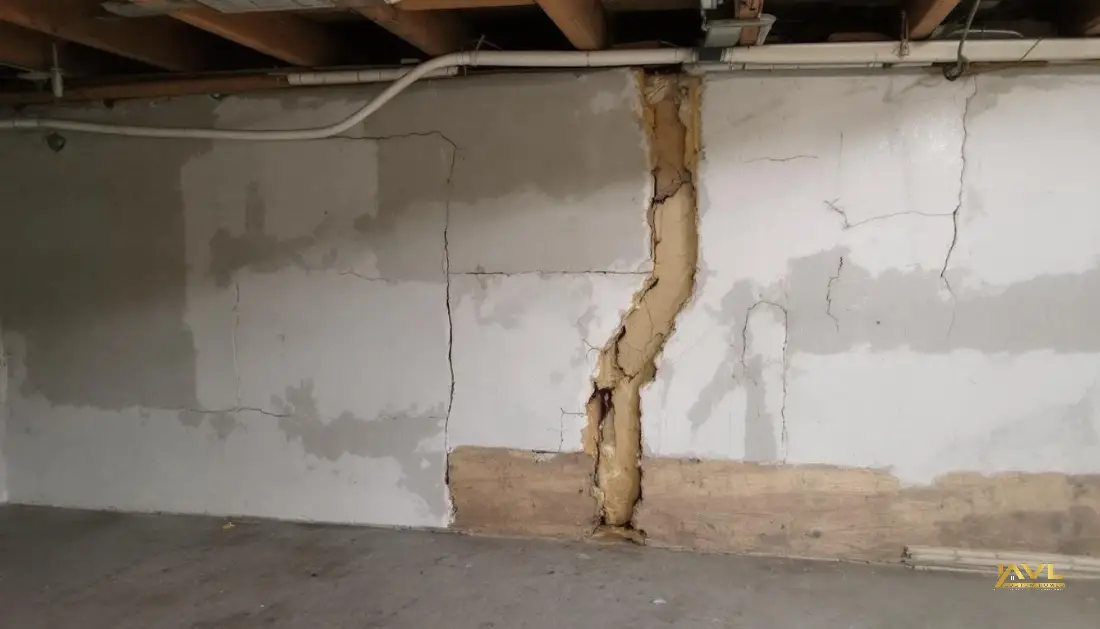
WHAT: After months of ground freezing and thawing, you might notice new or expanded cracks in your foundation walls, both inside and outside. This is especially true for townhouses that might share foundation walls with neighbouring units.
WHY: The freeze-thaw cycle is relentless. When water seeps into tiny cracks and then freezes, it expands, putting enormous pressure on concrete. When it thaws, it leaves a larger void. This process repeats, steadily widening cracks. Coupled with heavy spring rains and melting snow, these cracks become direct pathways for water to enter your basement or crawl space.
Looking for more guidance? Read our complete guide on 2026 Pool Heater Maintenance Guide.
CONSEQUENCE IF IGNORED: Ignoring minor foundation cracks until winter freeze-thaw cycles expand them is a common mistake. What starts as a hairline crack can become a structural concern, leading to basement flooding, mould growth, compromised structural integrity, and significantly more expensive repairs. Repairing a minor crack might cost $500-$1,500, but extensive water damage and structural repairs can easily run into the tens of thousands.
Grading and Drainage Problems
WHAT: Poorly sloped ground around your townhouse, or clogged downspouts, can direct melting snow and rainwater straight towards your foundation.
WHY: Your property's grading should slope away from your foundation to ensure proper water runoff. Over time, soil settles, landscaping changes, or even improper snow removal can alter this critical slope. Downspouts are designed to carry water far away from the house, but if they're clogged or broken, or if their extensions are too short, they dump water precisely where you don’t want it.
CONSEQUENCE IF IGNORED: Spring thaw in Ontario causes a massive spike in basement flooding calls due to unmaintained grading and failed weeping tiles. Excessive water accumulation around the foundation can overwhelm your weeping tile system, leading to hydrostatic pressure against your foundation walls. This can force water through cracks, leading to a flooded basement, damaged belongings, and a breeding ground for mould. Fixing severe drainage issues and resulting water damage can range from $5,000 for minor interior damage to $25,000+ for foundation waterproofing.
Roofing and Eavestrough Damage
WHAT: Winter can be brutal on roofs. Look for missing or damaged shingles, curling or buckling shingles, loose flashing around vents and chimneys, and clogged or damaged eavestroughs and downspouts.
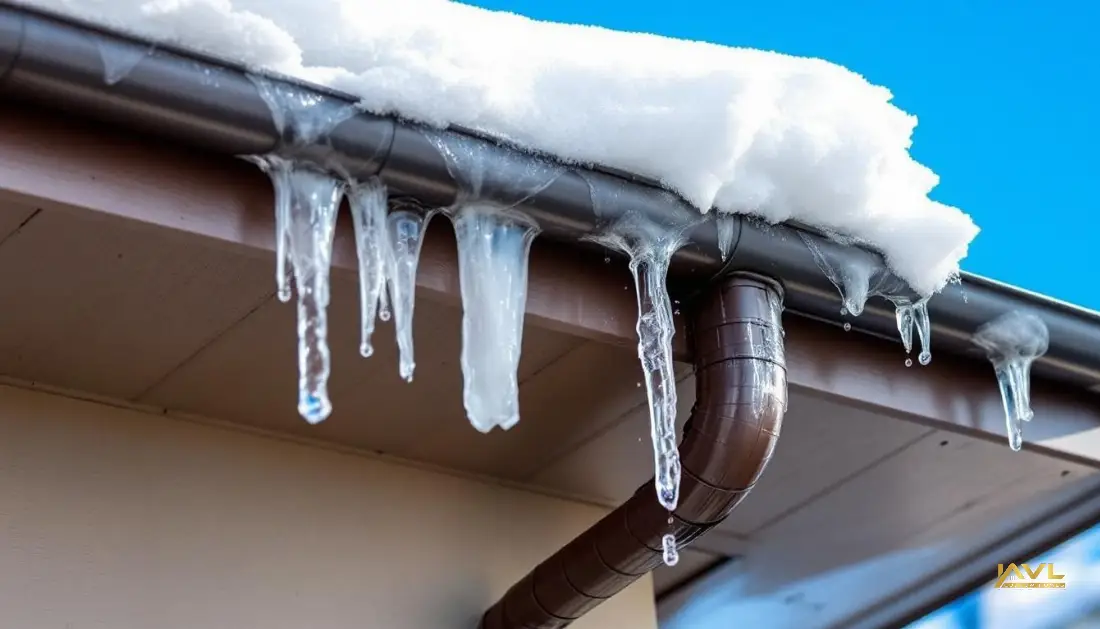
WHY: High winds, heavy snow loads, and ice dams can dislodge shingles and damage flashing. Ice dams form when heat escapes through the roof, melting snow, which then refreezes at the colder eaves, creating a barrier. This forces water under shingles. Eavestroughs collect debris (leaves, twigs, shingle grit) which, if left to accumulate, becomes heavy when wet and can sag, detach, or clog, preventing proper drainage.
CONSEQUENCE IF IGNORED: Forgetting to clear eavestroughs, leading to ice damming in January, is a critical oversight. A damaged roof can lead to leaks, compromising your attic insulation, ceiling, and walls. Water damage can quickly lead to mould and rot. Clogged eavestroughs cause water to overflow and pool around your foundation, exacerbating drainage issues and potential basement leaks. A roof leak repair might start at $500, but a full roof replacement can cost $8,000-$15,000 for a townhouse.
Window and Door Seals
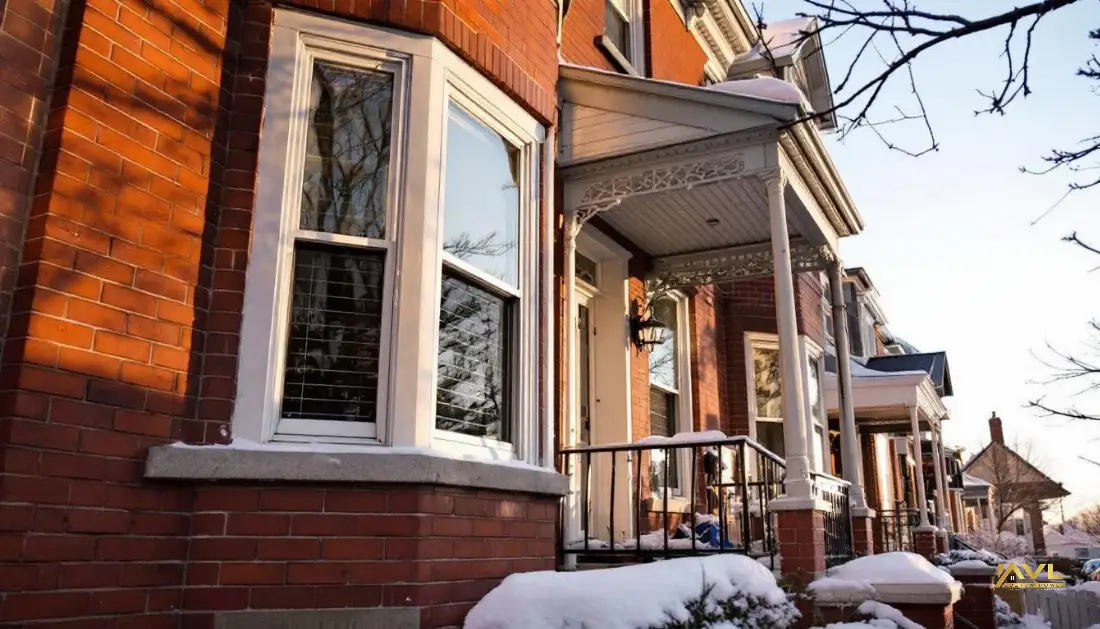
WHAT: You might notice drafts, condensation between panes, or difficulty opening/closing windows and doors.
WHY: The expansion and contraction of materials due to extreme temperature fluctuations in winter can damage caulking, weatherstripping, and even warp window and door frames. Older windows are particularly susceptible to seal failure.
CONSEQUENCE IF IGNORED: Compromised seals lead to significant energy loss, driving up your heating and cooling bills. Drafts make your home uncomfortable. Water infiltration through failing seals can lead to wood rot in frames and sills, and mould growth around windows. Replacing damaged caulk is inexpensive, but replacing a window could be $500-$1,000 per unit.
Deck and Patio Damage
WHAT: Inspect your deck, patio, and any walkways for loose boards, deteriorating grout, cracked pavers, or rot.
WHY: Wood decks suffer from moisture exposure, leading to rot, warping, and loosened fasteners. Concrete patios and pavers can crack due to freeze-thaw cycles, especially if water penetrates cracks and then expands. Salt used for de-icing can also corrode surfaces.
CONSEQUENCE IF IGNORED: A deteriorating deck can be a safety hazard, leading to falls or even structural collapse. Cracked patios can allow water to seep underneath, further damaging the base and potentially impacting your home's foundation if too close. Deck repair or staining might be a few hundred dollars, but major repairs or replacement can be thousands.
Prevention Tips and Best Practices for Homeowners
Proactive maintenance is your best defence against the elements and unexpected repair bills. By dedicating some time each spring, you can save significant money and stress in the long run. Here’s how Oakville townhouse owners can effectively prevent common issues:1. Comprehensive Exterior Inspection
WHAT: Walk around your entire townhouse and carefully inspect every visible exterior component. This includes the roof (from the ground or with binoculars for safety), eavestroughs, downspouts, siding, foundation, windows, doors, decks, and any shared walls or fencing.
WHY: A thorough visual inspection is your first line of defence. It allows you to spot minor issues—like a loose shingle, a small crack, or peeling paint—before they escalate into major, costly problems. Many winter damages are subtle at first.
CONSEQUENCE IF IGNORED: Overlooking small issues now means they will likely grow larger and more expensive to fix. A small foundation crack might allow water ingress, leading to mould; a loose shingle can lead to a significant roof leak; and a clogged eavestrough can compromise your foundation. This initial inspection is crucial for catching these before the real damage begins.
2. Clean and Repair Eavestroughs and Downspouts
WHAT: Clear all debris (leaves, twigs, shingle granules) from your eavestroughs. Flush them with a hose to ensure water flows freely to the downspouts. Check for any sagging sections, loose hangers, or rust. Ensure downspout extensions are directing water at least six feet away from your foundation.
WHY: Properly functioning eavestroughs are essential for diverting thousands of gallons of water away from your home’s foundation during spring rains. Clogged gutters overflow, saturating the soil directly adjacent to your foundation, which can lead to leaks, basement flooding, and foundation damage. Ignoring this task is a common mistake that can lead to disastrous consequences, including ice damming in subsequent winters if debris is left to accumulate.
CONSEQUENCE IF IGNORED: Clogged eavestroughs are a primary cause of basement flooding. Water damage can lead to costly repairs for your foundation, landscaping, and even interior walls. Over time, the constant overflow can also rot fascia boards and cause mould growth. Repairing water damage can easily run into thousands of dollars, far outweighing the cost of a routine cleaning, which typically costs $150-$300 for a townhouse.
3. Check Foundation and Grading
WHAT: Visually inspect your foundation walls for any cracks, crumbling mortar, or efflorescence (white, powdery residue). Simultaneously, assess the grading around your home. The soil should slope away from your foundation to direct water away. If it doesn't, consider adding soil to improve the slope.
WHY: The freeze-thaw cycles of winter can cause new cracks or exacerbate existing ones in your foundation. Proper grading is critical for preventing water from pooling against your home, which is a major contributor to basement leaks. The local statistic about spring thaw causing a massive spike in basement flooding calls due to unmaintained grading and failed weeping tiles underscores the importance of this task.
CONSEQUENCE IF IGNORED: Minor foundation cracks, if ignored, will expand with subsequent freeze-thaw cycles, eventually compromising your home's structural integrity and leading to significant water infiltration. Poor grading will consistently channel water towards your foundation, overwhelming weeping tiles and increasing the risk of basement flooding, mould growth, and costly repairs that often require professional intervention from companies like AVL Custom Homes for structural and waterproofing solutions.
4. Inspect and Maintain Windows and Doors
WHAT: Examine all windows and doors for drafts, damaged weatherstripping, deteriorated caulking, and proper function. Replace worn weatherstripping and re-caulk any gaps around frames. Check for any signs of rot on wooden frames.
WHY: Winter's cold temperatures and moisture can cause sealants to crack and weatherstripping to become brittle, creating drafts and allowing moisture to penetrate. This impacts your home's energy efficiency and can lead to water damage.
CONSEQUENCE IF IGNORED: Failing window and door seals lead to higher energy bills as your heating and cooling systems work harder. They also invite moisture, potentially causing wood rot, mildew, and mould, which compromise indoor air quality and structural integrity. Re-caulking is an inexpensive DIY task (costing around $20-$50 for materials), but neglecting it can lead to far more expensive window or door frame replacements down the line.
5. HVAC System Check-Up
WHAT: Replace your furnace filter. If you have central air conditioning, schedule a professional check-up before the summer heat arrives. Ensure outdoor AC units are clear of debris.
WHY: A clean filter improves air quality and allows your HVAC system to run more efficiently, reducing energy consumption. A professional tune-up ensures your AC unit is ready for summer, identifying potential issues before they become major breakdowns.
CONSEQUENCE IF IGNORED: A dirty furnace filter restricts airflow, making your system work harder, increasing energy costs, and potentially shortening the lifespan of your unit. A neglected AC unit can break down on the hottest day of the year, leading to expensive emergency repairs and discomfort. A professional AC tune-up typically costs $100-$200.
6. Deck and Patio Maintenance
WHAT: Clean your deck or patio surface. Inspect wooden decks for loose boards, protruding nails, splintering, or rot. Power wash concrete or stone patios and check for cracked pavers or deteriorating grout. Apply a fresh coat of stain or sealant to wooden decks.
WHY: Winter moisture and temperature changes can cause significant wear and tear on outdoor living spaces. Regular cleaning and sealing protect materials from further damage, prevent slips, and extend the lifespan of your deck or patio.
CONSEQUENCE IF IGNORED: Neglecting your deck can lead to accelerated rot, making it unsafe and requiring costly repairs or even full replacement. Cracked pavers allow weeds to grow and can undermine the stability of the patio. Regular sealing (every 2-3 years) can cost a few hundred dollars, while full deck replacement can be upwards of $5,000-$10,000.
7. Test Smoke and Carbon Monoxide Detectors
WHAT: Test all smoke and carbon monoxide detectors. Replace batteries if they are more than six months old, or if the unit signals a low battery. Check the expiry date on each unit; detectors typically need replacement every 7-10 years.
WHY: These devices are your first line of defence against fire and deadly carbon monoxide poisoning. Ensuring they are fully functional is a matter of safety for you and your family.
CONSEQUENCE IF IGNORED: Faulty detectors offer no protection, putting your life and the lives of your loved ones at severe risk in the event of a fire or carbon monoxide leak. It’s a simple, life-saving task that should never be overlooked.
8. Examine Plumbing for Leaks
WHAT: Check all exposed pipes (under sinks, in the basement/utility room) for any signs of leaks or drips. Turn on exterior faucets to ensure they function correctly and that no pipes burst over winter.
WHY: Freezing temperatures can cause pipes to crack or burst, even if insulated. Small leaks can lead to significant water damage, mould, and increased utility bills if not detected early.
CONSEQUENCE IF IGNORED: A persistent drip can lead to extensive water damage, rot, and mould growth in hidden areas, which are expensive to remediate. A burst pipe can cause catastrophic flooding, requiring emergency plumbing services ($200-$400 per hour for emergency calls) and extensive restoration. Minor leak repairs can be $100-$300, but water damage remediation can be thousands.
Local Resources and Emergency Contacts for Oakville Homeowners
Even with diligent preventative maintenance, issues can arise, or you might discover problems beyond your DIY capabilities. Knowing who to call and where to find reliable help in Oakville is invaluable.Finding Qualified Local Professionals
For tasks like extensive roof repairs, major foundation work, significant plumbing issues, or specialized HVAC servicing, hiring a professional is not just a recommendation—it's often a necessity for safety and effective repair. Here's how to find them:
- Oakville Chamber of Commerce: A great starting point for finding reputable local businesses.
- Online Review Platforms: Websites like HomeStars, Google Reviews, and Yelp can provide insights into local contractors' reputations and customer experiences. Always look for companies with consistent positive reviews and a good track record.
- Referrals: Ask your neighbours, friends, or local real estate agents for recommendations. Word-of-mouth is often the most reliable way to find trusted tradespeople.
- Licensing and Insurance: Always verify that any contractor you hire is properly licensed for their trade in Ontario and carries adequate liability insurance. This protects you in case of accidents or damage during their work.
- Get Multiple Quotes: For significant jobs, obtain at least three written quotes to compare pricing, scope of work, and timelines.
Emergency Contacts for Oakville Residents
In case of emergencies like significant flooding, burst pipes, or electrical hazards, knowing who to call immediately can minimize damage and ensure safety.
- Town of Oakville Services:
- Non-Emergency Public Works (e.g., severe street flooding, sewer issues): 905-845-6601 (often directs to appropriate department).
- Hydro Outages (Oakville Hydro): Report outages directly to Oakville Hydro. Check their website or call their emergency line (usually found on their bill or website) for real-time updates.
- Emergency Services:
- Police/Fire/Ambulance: 911 for immediate life-threatening emergencies.
- Utility Contacts (have these numbers handy):
- Oakville Hydro: For power-related emergencies.
- Enbridge Gas: For gas leaks or carbon monoxide emergencies. If you smell gas, evacuate immediately and call Enbridge from a safe distance.
- Plumbing Emergency: Have the number of a reputable 24/7 emergency plumber. Many local plumbing companies offer emergency services.
- Restoration Services: For significant water damage or mould remediation, companies specializing in disaster restoration can respond quickly to mitigate further damage.
Conclusion and Spring Maintenance Checklist
As we welcome spring in Oakville, remember that a little proactive effort now can save you a lot of headache and expense later. Your townhouse is a valuable asset, and consistent, thoughtful maintenance ensures it remains a safe, efficient, and comfortable home for years to come. By following this guide, you’re not just repairing; you’re investing in the longevity and value of your property. Here's a concise checklist to guide your Oakville townhouse spring maintenance efforts. Print it out, tackle each item, and enjoy the peace of mind that comes with a well-maintained home.Oakville Townhouse Spring Maintenance Checklist
- Exterior Inspection:
- ☐ Walk around your entire property, inspecting all visible exterior components.
- ☐ Check for any obvious signs of damage from winter.
- Roof & Eavestroughs:
- ☐ Inspect roof for damaged, missing, or curling shingles (use binoculars).
- ☐ Clear all debris from eavestroughs and downspouts.
- ☐ Flush eavestroughs with water to check for proper flow and leaks.
- ☐ Ensure downspout extensions direct water at least 6 feet from the foundation.
- ☐ Check for loose or damaged eavestrough hangers.
- Foundation & Grading:
- ☐ Inspect foundation walls for cracks, efflorescence, or spalling.
- ☐ Verify that the ground around your home slopes away from the foundation.
- ☐ Address any low spots or negative grading.
- Windows & Doors:
- ☐ Inspect caulking around windows and doors; re-caulk where needed.
- ☐ Check weatherstripping for damage; replace if worn.
- ☐ Inspect window and door frames for rot or warping.
- HVAC System:
- ☐ Replace furnace filter.
- ☐ Clear debris from outdoor AC unit.
- ☐ Schedule professional AC tune-up (if applicable).
- Deck & Patio:
- ☐ Clean deck/patio surface.
- ☐ Inspect wooden decks for loose boards, protruding nails, or rot.
- ☐ Check concrete/pavers for cracks or shifting.
- ☐ Consider applying fresh stain/sealant to wooden decks.
- Safety Checks:
- ☐ Test all smoke and carbon monoxide detectors.
- ☐ Replace batteries as needed; check unit expiry dates.
- Plumbing:
- ☐ Check exposed pipes for leaks or drips.
- ☐ Turn on exterior faucets; check for proper function and leaks.
- Pest Control:
- ☐ Look for signs of pest entry (e.g., rodent droppings, insect nests).
- ☐ Seal any small gaps or openings in the exterior.
By taking these steps, you're not just doing chores; you're safeguarding your home's integrity and value. If you encounter any issues beyond your comfort level or expertise during your spring maintenance, don't hesitate to consult with local professionals. For major renovation or repair projects, remember that trusted local experts like AVL Custom Homes are always available to help guide you through the process, ensuring your Oakville townhouse remains in top condition.
Frequently Asked Questions About Oakville Townhouse Spring Maintenance
What are the biggest risks of skipping spring maintenance in Oakville?
The biggest risks include basement flooding due to compromised grading and eavestroughs, exacerbated foundation cracks from freeze-thaw cycles, and costly roof leaks from ignored shingle damage. These issues can lead to extensive water damage, mould growth, structural problems, and significantly higher repair bills than preventative maintenance would have incurred.
How can I tell if my foundation cracks are serious?
Hairline cracks (less than 1/8 inch wide) are often minor and can be sealed. However, cracks that are wider than 1/4 inch, expanding quickly, horizontal, stair-step, or accompanied by bowing walls or water seepage, often indicate more serious structural issues. It's best to have these assessed by a foundation specialist.
What is the typical cost for professional eavestrough cleaning in Oakville?
For a standard townhouse in Oakville, professional eavestrough cleaning typically ranges from $150 to $300. This price can vary based on the height of your home, the length of the gutters, and the amount of debris accumulation.
When is the best time to schedule an AC tune-up in Oakville?
The best time to schedule your AC tune-up is in early spring, ideally March or April, before the summer heat truly sets in and before HVAC companies get inundated with service calls. This ensures your unit is in peak condition when you need it most.
Should I check my attic during spring maintenance?
Yes, inspecting your attic in the spring is highly recommended. Look for any signs of water stains on the rafters or insulation, which could indicate a roof leak. Also, check for proper ventilation, signs of pests, and ensure insulation hasn't shifted or become damp over winter. This helps identify issues before they become visible in your living spaces.

Written by Ali Vaez
General Manager, AVL Custom Homes Inc.
Bringing over 20 years of global construction experience and more than a decade of dedicated service to Richmond Hill and the Greater Toronto Area.
Published: 2026-04-07 · 19 min read · 3,652 words
AVL Custom Homes provides expert home services across Oakville and the Greater Toronto Area.
Contact us today — we serve Oakville and surrounding communities.