
2026 Guide to Renovating a Century Home in Toronto: Costs, Permits, and ROI
Toronto's century homes, with their rich history and architectural charm, offer a unique living experience. However, beneath their beautiful facades often lie decades of wear, outdated systems, and hidden complexities. Embarking on a renovation project for these historic beauties is a journey that requires careful planning, a deep understanding of unique challenges, and a realistic grasp of Toronto century home renovation costs. As your local expert, AVL Custom Homes understands the intricacies involved in breathing new life into these properties, ensuring your investment enhances both value and lifestyle.
Renovating an older home isn't like working on a modern build. You're dealing with character, but also with the quirks of original construction methods and materials. The goal is always to blend the past with the present seamlessly, all while keeping a close eye on your budget and potential return on investment (ROI).
Unique Challenges of Century Home Renovations in Toronto
Before you even think about new paint colours or kitchen layouts, you need to understand the fundamental challenges inherent in older Toronto homes. Ignoring these can lead to significant cost overruns and safety issues.
- Structural Integrity:
- WHAT: Foundations might be stone or rubble, prone to moisture issues. Wood framing could be weakened by age, water damage, or previous questionable modifications.
- WHY: Early construction techniques weren't as robust as today's, and decades of settling, shifting soil, and lack of maintenance take their toll.
- CONSEQUENCE: Unaddressed structural problems can lead to cracked walls, uneven floors, sagging ceilings, and even safety hazards. Fixing them later is always more expensive and disruptive than addressing them proactively.
- Outdated Systems:
- WHAT: Original knob-and-tube or early wiring, galvanized plumbing, and antiquated heating systems are common.
- WHY: These systems predate modern electrical loads, plumbing codes, and energy efficiency standards. They simply weren't designed for today's appliances or comfort expectations.
- CONSEQUENCE: Old electrical wiring is a fire hazard and can't support modern power demands, leading to tripped breakers. Galvanized pipes corrode, restricting water flow and causing leaks. Replacing these systems is crucial for safety, functionality, and insurance purposes.
- Hazardous Materials:
- WHAT: Many century homes contain asbestos (in insulation, plaster, or flooring) and lead paint (on walls, trim, and exterior).
- WHY: These were common building materials until their health risks became widely known.
- CONSEQUENCE: Disturbing these materials without proper precautions can release dangerous fibres or dust, posing serious health risks to occupants and workers. Remediation by certified professionals is mandatory and adds to the overall project cost.
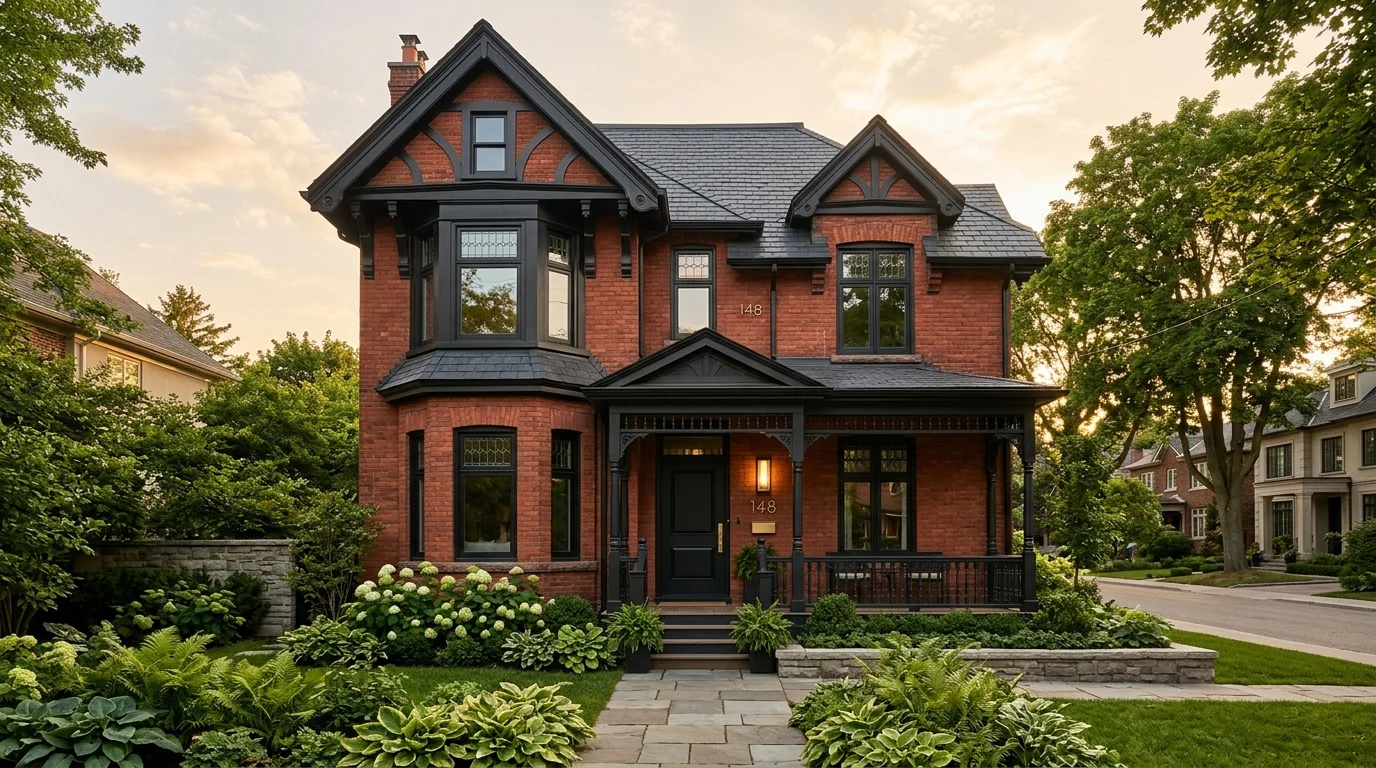
Permits & Regulations for Heritage Properties
Navigating the City of Toronto's permit process is critical, especially for century homes, some of which may have heritage designations.
- WHAT: You'll need building permits for most structural, electrical, and plumbing work, as well as specific permits for demolitions, additions, and potentially heritage alterations.
- WHY: Permits ensure your renovation meets safety standards, building codes, and, for designated heritage properties, preserves architectural integrity. Ignoring this step puts you at legal risk.
- CONSEQUENCE: Renovating without proper permits can lead to stop-work orders, hefty fines, difficulty selling your home, and even the requirement to undo completed work. For heritage properties, unauthorized changes can result in significant penalties.
Breaking Down Average Toronto Century Home Renovation Costs
When you're considering a century home renovation, understanding where your money goes is paramount. There's no single price tag; costs fluctuate based on several key factors.
- Scope of Work:
- WHAT: Are you doing a cosmetic refresh (paint, floors, fixtures), a major overhaul (kitchens, bathrooms, reconfiguring layouts), or a full gut renovation including structural repairs and additions?
- WHY: The more extensive the work, the more labour, materials, and specialized trades are involved. A full gut often means exposing and replacing everything behind the walls.
- CONSEQUENCE: Underestimating the scope upfront is a primary cause of budget blowouts. A clear, detailed plan prevents surprises.
- Materials & Finishes:
- WHAT: From entry-level to luxury, material choices significantly impact cost. For century homes, you might also consider heritage-appropriate materials to maintain character.
- WHY: High-end appliances, custom cabinetry, period-correct millwork, and premium stone countertops cost substantially more than standard options.
- CONSEQUENCE: Skimping on materials can lead to lower quality results and shorter lifespans, requiring earlier replacement. Conversely, overspending on materials that don't match the home's value can diminish ROI.
- Labour & Specialized Trades:
- WHAT: Century homes often require tradespeople experienced with older structures, from carpenters who understand historic framing to electricians adept at rewiring without damaging original plaster.
- WHY: Specialized skills are needed to navigate unique challenges like uneven walls, non-standard dimensions, and delicate original features. This expertise comes at a premium.
- CONSEQUENCE: Using inexperienced contractors can lead to costly mistakes, damage to historic elements, and code violations. Always choose a reputable firm like AVL Custom Homes with proven experience in Toronto's older properties.
- Unexpected Issues:
- WHAT: Be prepared for the unforeseen. Once walls are opened, you might discover hidden water damage, pest infestations, further structural issues, or even unpermitted past renovations.
- WHY: Old homes have long histories, and not all issues are visible during initial inspections.
- CONSEQUENCE: A lack of contingency funds (typically 15-20% of your budget) means these surprises can derail your project, causing delays and significant stress.
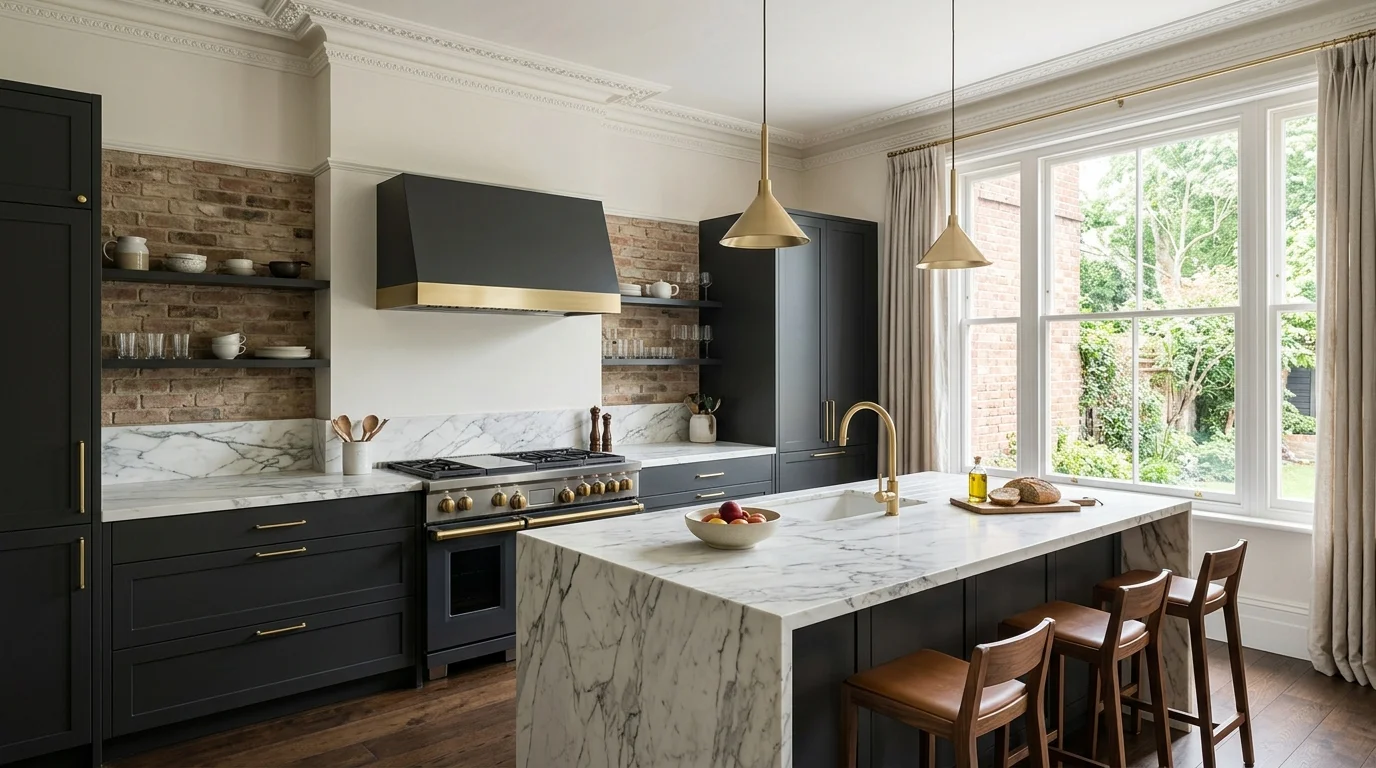
Typical Cost Ranges in Toronto (Ballpark Estimates):
- Cosmetic Renovation (e.g., refreshing a floor, paint, light fixtures): $30,000 - $70,000+ per area (e.g., kitchen or bathroom).
- Major Renovation (e.g., kitchen & bath overhaul, some system upgrades, minor layout changes): $150,000 - $400,000+.
- Full Gut & Structural Renovation (e.g., systems replacement, major layout changes, structural repairs, small addition): $400,000 - $1,000,000+.
- Large-Scale Renovation with Extensive Addition/Pop-Top: $800,000 - $2,000,000+.
These figures are broad estimates. A detailed assessment by an experienced contractor is essential for accurate budgeting for your specific Toronto century home renovation costs.
The ROI for a century home renovation in Toronto can be significant, often ranging from 70% to 100% or more for strategic upgrades. Kitchens, bathrooms, basement apartments, and improved energy efficiency consistently offer the highest returns. Preserving historical charm while integrating modern amenities appeals strongly to Toronto buyers.
Maximizing Your ROI on a Toronto Century Home Renovation
A well-executed renovation isn't just about making your home more enjoyable; it's about smart investment. Here's how to ensure your efforts pay off:
- Strategic Upgrades:
- WHAT: Focus on kitchens, bathrooms, and creating functional living spaces (e.g., basement apartments or open-concept areas).
- WHY: These areas have the most significant impact on daily living and are top priorities for potential buyers. A modern, functional kitchen or spa-like bathroom adds immense appeal and value.
- CONSEQUENCE: Over-capitalizing on highly personalized or niche renovations might not appeal to a broad market, reducing your potential ROI. Stick to what most buyers value.
- Preserving Character vs. Modernizing:
- WHAT: Find a balance between restoring original features (e.g., hardwood floors, trim, stained glass) and incorporating modern conveniences and aesthetics.
- WHY: The unique charm of a century home is often its biggest selling point. Stripping away all historical elements can make it feel generic, while ignoring modern demands makes it impractical.
- CONSEQUENCE: Failing to balance these elements can diminish the home's appeal – either by making it too dated or by erasing its unique identity. Consult with professionals who specialize in home renovations to achieve this delicate balance.
- Energy Efficiency Improvements:
- WHAT: Upgrading insulation, replacing old windows with energy-efficient alternatives, and installing modern HVAC systems.
- WHY: Century homes are notoriously leaky and inefficient. Improving insulation and windows drastically reduces utility bills and enhances comfort.
- CONSEQUENCE: Ignoring energy efficiency means continued high operating costs, a less comfortable home, and a less attractive property to environmentally conscious buyers.
Always allocate a contingency fund of 15-20% of your total renovation budget specifically for unexpected issues. This buffer helps absorb surprises like hidden structural damage, outdated wiring, or asbestos removal often encountered in century homes. Thorough initial inspections, while helpful, rarely uncover every potential problem.
Smart Strategies for Managing Toronto Century Home Renovation Costs
Keeping your renovation project on track and within budget for your century home requires smart planning and execution.
- Detailed Planning & Budgeting:
- WHAT: Work with your contractor to develop a highly detailed scope of work, material selections, and a comprehensive budget before any work begins.
- WHY: A clear plan minimizes changes during construction, which are always costly and time-consuming. It provides a roadmap for everyone involved.
- CONSEQUENCE: Lack of detailed planning leads to decision fatigue, design changes mid-project, cost overruns, and significant delays.
- Phased Approach:
- WHAT: If a full renovation isn't immediately feasible, consider breaking the project into phases (e.g., structural and systems first, then specific rooms).
- WHY: This allows you to spread costs over time, potentially live in the home during parts of the renovation, and prioritize the most critical upgrades.
- CONSEQUENCE: A poorly planned phased approach can lead to inefficiencies, duplicate work, and longer overall disruption. Ensure each phase makes sense in the grand scheme.
- Choosing the Right Contractor:
- WHAT: Select a contractor with extensive, demonstrable experience in century home renovations in Toronto. They should understand heritage concerns, older building practices, and the local permit process.
- WHY: General contractors might lack the specific expertise needed for complex century home challenges, potentially leading to costly mistakes or substandard work.
- CONSEQUENCE: The wrong contractor can turn your dream renovation into a nightmare of delays, poor craftsmanship, and escalating expenses. Always check references and portfolios for similar projects, like our successful custom home builds and renovations.
Renovating heritage homes in Toronto involves strict adherence to heritage conservation district guidelines or individual property designations. Challenges include obtaining heritage permits, sourcing period-appropriate materials, preserving historical features like specific windows or facades, and integrating modern systems without altering original aesthetics. This often requires specialized architectural and construction expertise.
Renovating a century home in Toronto is a significant undertaking, but it's also an incredibly rewarding one. With the right planning, a realistic understanding of Toronto century home renovation costs, and an experienced team by your side, you can transform a historic property into a modern masterpiece that retains its timeless charm and provides excellent value for years to come.
FAQ About Toronto Century Home Renovations
What's the first step for a century home renovation in Toronto?
The very first step is a thorough home inspection by a qualified professional specializing in older homes. This identifies existing structural issues, hazardous materials, and outdated systems. You'll then want to consult with an experienced contractor like AVL Custom Homes to discuss your vision and get an initial sense of feasibility and potential costs before diving into design. This groundwork is critical.
Do century homes need specific types of insurance during renovation?
Yes, your standard homeowner's insurance likely won't cover a major renovation. You'll need to discuss builder's risk insurance with your provider, which protects the property during construction. Your contractor should also carry comprehensive liability insurance and WSIB coverage for their team. Always verify these coverages to protect yourself from potential liabilities during the project.
How long does a typical century home renovation take in Toronto?
The timeline varies significantly by scope. A major renovation, including structural work, system upgrades, and interior finishing, can take anywhere from 8 to 24 months, or even longer for extensive additions. Planning, permits, and inspections also add several months before construction even begins. Patience and clear communication with your contractor are key.
Are there financial incentives for renovating heritage properties in Toronto?
While specific grants for private heritage home renovations are rare from the City of Toronto, some broader programs might apply (e.g., energy efficiency rebates). It's always worth checking the City of Toronto's website for heritage property incentives and federal/provincial programs for energy upgrades, though direct renovation grants are uncommon. Focus on ROI from property value increases.
Should I live in my century home during a major renovation?
For extensive renovations involving structural work, system replacements, or a full gut, it's generally advisable to move out. This ensures your safety, speeds up the renovation process, and reduces stress and disruption to your daily life. Living in a construction zone can be hazardous and extremely uncomfortable due to noise, dust, and lack of utilities.
Ready to explore the possibilities for your historic property? Contact AVL Custom Homes today to discuss your Toronto century home renovation. Our expertise with older properties ensures a seamless process from concept to completion, maximizing your investment and bringing your vision to life.

AVL Custom Homes Inc.
Licensed Ontario builder serving Richmond Hill, Markham, Vaughan, Aurora and the Greater Toronto Area.
Published: 2026-04-04 · 11 min read · 2,137 words
AVL Custom Homes provides expert home services across Toronto and the Greater Toronto Area.
Contact us today — we serve Toronto and surrounding communities.