
Toronto Spring 2026 Home Maintenance Guide: Tips for Older Detached Homes
Quick Answer: Spring thaw exposes older Toronto homes to critical risks. Proactive maintenance prevents $10,000–$30,000 in structural and water damage caused by compromised foundations, grading, and roofing.
Spring Maintenance Checklist
- ✓ Structural roof & flashing inspection
- ✓ Eavestrough & downspout clearing
- ✓ Foundation crack & moisture detection
- ✓ Property grading & drainage assessment
- ✓ Sump pump & weeping tile testing
- ✓ HVAC efficiency servicing
- ✓ Window & door draft sealing
- ✓ Interior plumbing leak checks
Table of Contents – Click to Jump to Section
- Importance of Spring Home Maintenance for Older Homes
- Spring Exterior Home Maintenance Checklist for Toronto Homes
- Interior Spring Home Maintenance Checklist for Older Toronto Homes
- Professional Home Maintenance Services in Toronto: What to Outsource
- Frequently Asked Questions (FAQ)
- Conclusion: Prioritizing Your Home's Safety and Efficiency

Introduction: Importance of spring home maintenance for older detached homes in Toronto
Spring home maintenance in Toronto is critical for older detached homes due to freeze-thaw damage, heavy snow loads, and water infiltration risks. Without proper inspection of roofing, foundation, drainage, and HVAC systems, small issues can quickly turn into costly repairs ranging from $1,000 to over $30,000.
After a long, cold Toronto winter, the arrival of spring is a welcome change. But for owners of older detached homes in our vibrant city, it’s also a critical call to action. Spring isn't just about enjoying warmer weather; it's about meticulously preparing your home for the year ahead, mitigating the damage from ice, snow, and fluctuating temperatures, and preventing minor issues from escalating into major, expensive problems.
Homeowners across Toronto, Richmond Hill, Markham, and Vaughan face similar spring maintenance risks due to Ontario’s freeze-thaw cycles and clay-heavy soil conditions. Addressing these vulnerabilities early is critical to protecting the long-term structural integrity and property value of your custom or older detached home.
What is spring home maintenance in Toronto?
Spring home maintenance in Toronto includes inspecting roofing, clearing eavestroughs, checking foundation cracks, testing sump pumps, and servicing HVAC systems to prevent water damage, structural issues, and costly repairs after winter.
When should you start spring home maintenance in Toronto?
The best time to start spring home maintenance in Toronto is between late March and early May, once temperatures stay above freezing and snow has fully melted. This allows you to address winter damage before it worsens.
How much does spring home maintenance cost in Toronto?
Spring home maintenance in Toronto typically costs between $300 and $2,000 depending on whether tasks are DIY or professional, with services like eavestrough cleaning ranging from $150 to $400.
Older homes, with their unique charm and character, also come with specific maintenance needs. Their original materials, settling foundations, and sometimes intricate building techniques mean they react differently to seasonal changes compared to newer constructions. The freeze-thaw cycles that characterize Toronto's winters can be particularly harsh on aging structures, leading to everything from cracked foundations to compromised roofing and drainage systems. Ignoring these early warning signs can lead to significant structural damage, water ingress, and diminished energy efficiency, ultimately costing you far more in the long run than proactive maintenance ever would.
The True Cost of Deferred Maintenance
Ignoring winter wear on older properties frequently results in compounding structural failures during the spring thaw. Standard repair costs in the GTA include:
- Foundation Underpinning / Repair: $15,000 – $30,000+
- Structural Roof Replacement: $8,000 – $20,000
- Basement Flood Remediation: $5,000 – $25,000
Roof and Eavestroughs
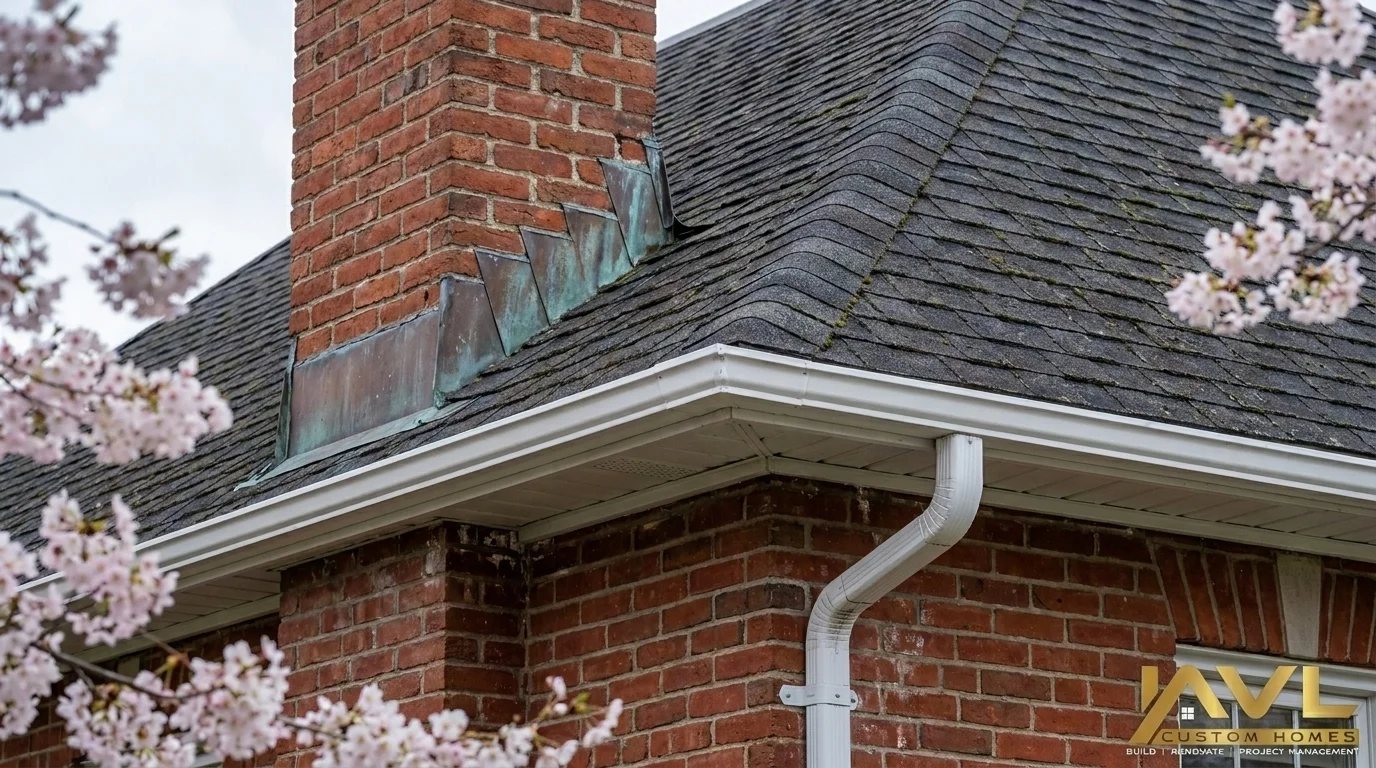
What to do: Begin by visually inspecting your roof from the ground with binoculars, looking for missing, cracked, or curled shingles. Check around chimneys, vents, and skylights for deteriorated flashing. Next, inspect and thoroughly clean your eavestroughs and downspouts. Remove all leaves, twigs, grit, and any other debris that has accumulated over the winter. Flush them with a hose to ensure water flows freely and doesn’t pool.
Why it's important: A compromised roof can lead to water leaks into your attic and walls, causing rot, mold growth, and damage to interior finishes. Clogged eavestroughs prevent proper drainage, causing water to overflow and seep directly into your foundation, or worse, back up under your roofline, leading to damaging ice dams in future winters – a common mistake many homeowners make, forgetting to clear them, which then causes ice damming in January.
Consequence of ignoring: Water damage, structural rot, mold infestation, weakened foundation, and potential for thousands of dollars in repairs to your roof, walls, and foundation.
Foundation and Exterior Walls
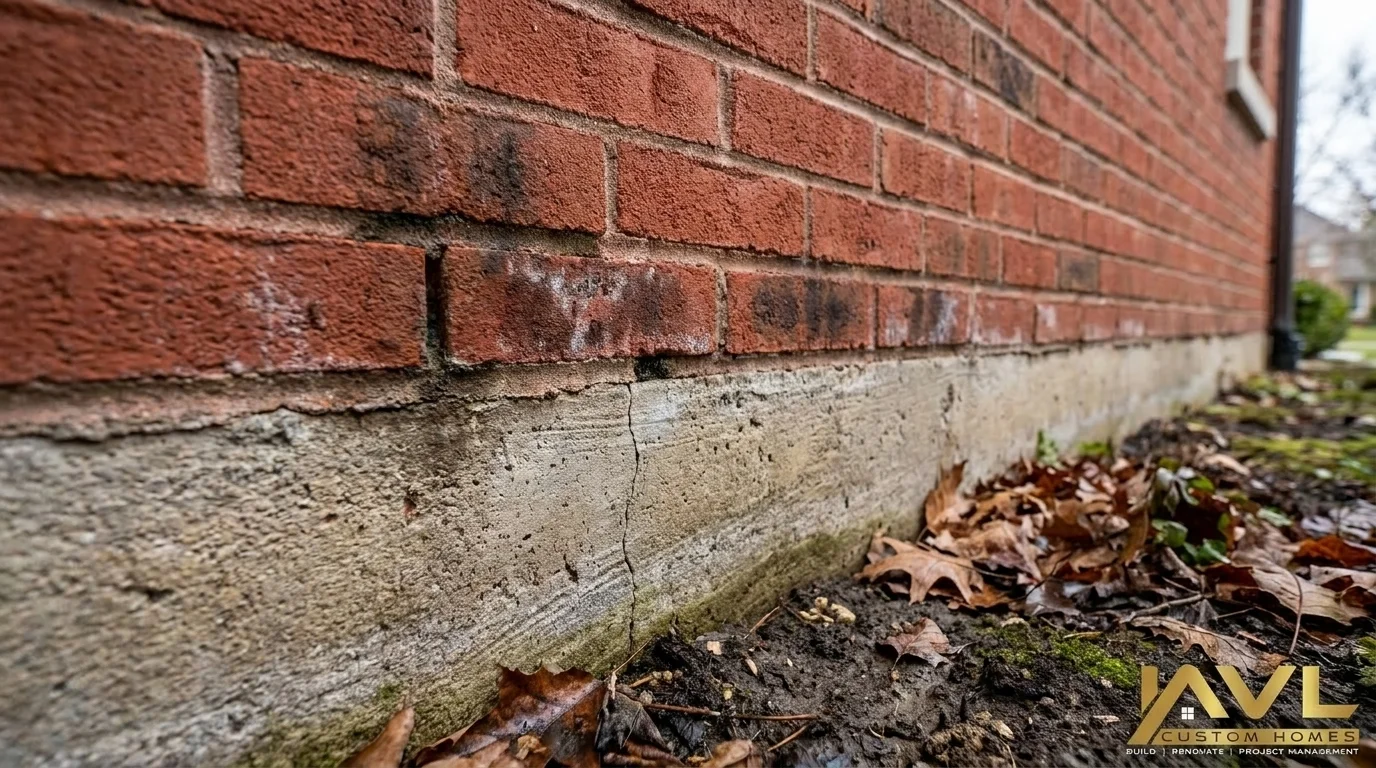
What to do: Walk around the entire perimeter of your home and closely examine your foundation walls. Look for any new cracks, crumbling mortar, or areas where the concrete appears to be spalling (flaking or pitting). Inspect exterior walls for signs of loose siding, peeling paint, or deteriorating brickwork and mortar joints.
Local Expert Insight: In areas like Richmond Hill, Markham, and North York, clay-heavy soil conditions common across the Greater Toronto Area increase water retention during spring thaw. This creates hydrostatic pressure against foundation walls, which is one of the leading causes of basement leaks and structural cracking in older homes.
Why it's important: Your foundation is the bedrock of your home. Small cracks can expand dramatically with subsequent freeze-thaw cycles if water infiltrates them, leading to significant structural issues. Ignoring minor foundation cracks until winter freeze-thaw cycles expand them is a common and costly mistake.
Pro tip: If you see horizontal or widening cracks, don’t wait — this is where professional inspection saves thousands. Book an inspection here.
Consequence of ignoring: Worsening foundation cracks can threaten your home's structural integrity, potentially leading to costly repairs that can range from $500-$1,500 for a minor crack repair to tens of thousands for major structural underpinning. Water penetration can cause wood rot, mold, and damage to interior finishes.
Grading and Drainage
What to do: Assess the grading around your home. The ground should slope away from your foundation on all sides, ideally dropping at least six inches within the first ten feet. Clear any debris or obstructions from downspout extensions and ensure they direct water far away from the foundation. If you have a sump pump, test it by pouring a bucket of water into the pit to ensure it activates properly.
Why it's important: Proper grading and drainage are paramount for preventing basement flooding, especially in older Toronto homes where weeping tile systems might be old or compromised. Directing rainwater and snowmelt away from your foundation prevents hydrostatic pressure buildup against basement walls and stops water from pooling around the footings. As a local fact, the spring thaw in Ontario causes a massive spike in basement flooding calls due to unmaintained grading and failed weeping tiles.
Consequence of ignoring: Basement flooding, which can cause extensive damage to finished basements, personal belongings, and introduce mold, leading to unhealthy living conditions and expensive clean-up and remediation costs, potentially upwards of $10,000-$30,000 depending on the severity.
Windows and Doors
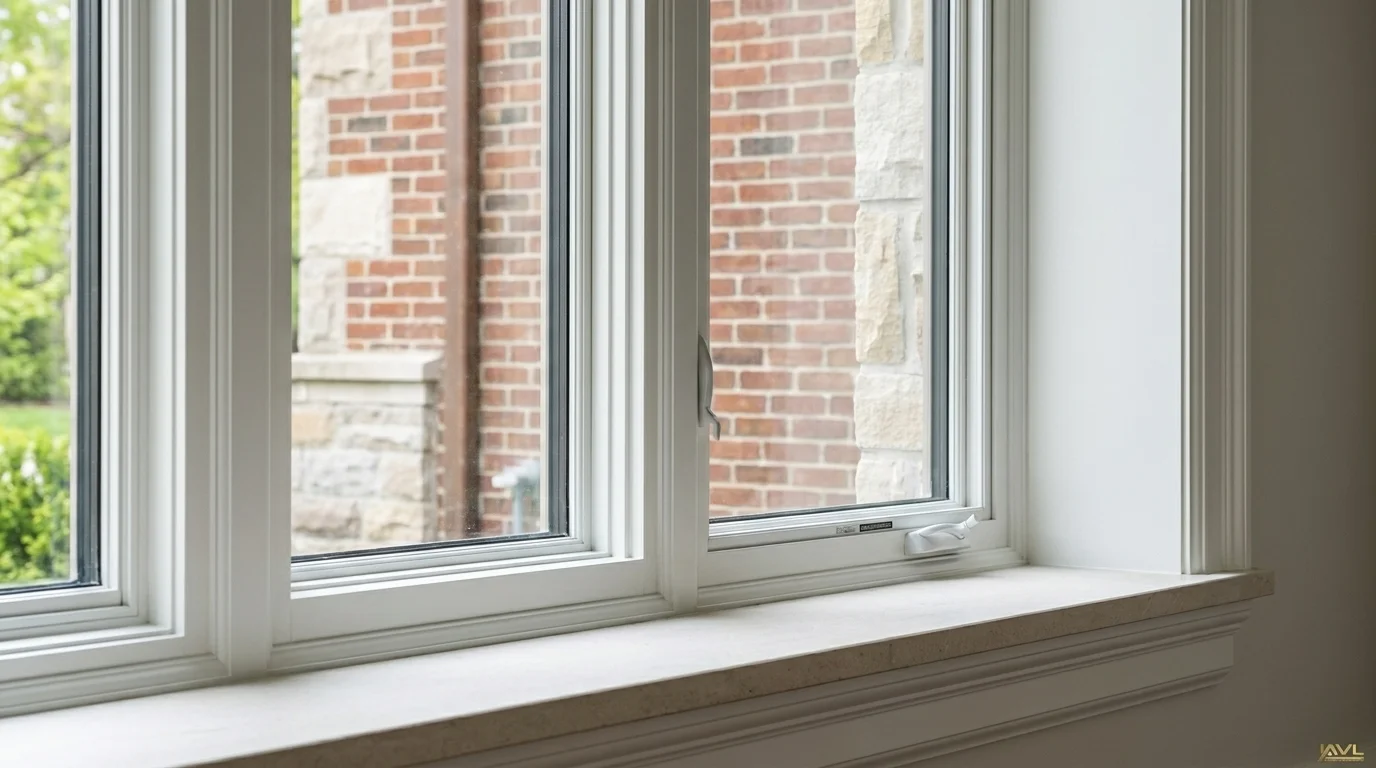
What to do: Inspect the caulking and weather stripping around all windows and doors. Look for any cracks, gaps, or signs of deterioration. Repair or replace as needed. Test windows to ensure they open and close smoothly and that latches are secure. Clean window and door screens, repairing any tears or holes.
Why it's important: Intact caulking and weather stripping are crucial for energy efficiency, preventing drafts, and keeping moisture and pests out. Damaged screens allow insects to enter your home during warmer months.
Consequence of ignoring: Higher energy bills due to heat loss/gain, uncomfortable drafts, water infiltration around windows and doors leading to rot, and an influx of pests.
Decks, Patios, and Walkways
What to do: Inspect wooden decks for loose railings, rot, splintering, or insect damage. Check concrete patios and walkways for cracks or uneven sections. Power wash surfaces to remove winter grime, moss, and mildew.
Why it's important: Safety is the primary concern here. Loose railings or rotting deck boards are significant fall hazards. Cracks in concrete can widen, becoming trip hazards and allowing water to penetrate and damage the sub-base, leading to further deterioration.
Consequence of ignoring: Safety hazards for family and guests, accelerated deterioration of materials, and costly repairs or replacements down the line.
Siding and Trim
What to do: Examine your home's siding (whether brick, stucco, wood, or vinyl) for any loose panels, cracks, holes, or signs of rot. Pay close attention to trim around windows, doors, and fascia boards. Re-caulk or repair as necessary.
Why it's important: The siding and trim are your home's protective shell. Any breaches can allow moisture to penetrate the wall cavity, leading to wood rot, insulation damage, and pest entry. Maintaining paint and caulk also preserves your home's curb appeal.
Consequence of ignoring: Moisture ingress, pest infestations, diminished curb appeal, and more extensive repair work needed to address underlying structural damage.
Exterior Faucets and Sprinkler Systems
What to do: Slowly turn on your exterior faucets to check for any leaks, especially around the spigot where the pipe enters the house. If you have a sprinkler system, inspect visible heads for damage and schedule a professional start-up to ensure it's functioning correctly and efficiently.
Why it's important: Frozen pipes can cause significant damage. A leak in an exterior faucet, often a result of improper winterization, can lead to water waste and potentially structural damage if water seeps into your home's foundation. A malfunctioning sprinkler system can waste water and inadequately irrigate your lawn and garden.
Consequence of ignoring: Costly water leaks, potential internal pipe bursts, and inefficient landscape watering leading to higher utility bills.
Book a Spring Home Inspection in Toronto
Prevent costly repairs before they happen. Our annual home maintenance program in Toronto is designed specifically for older homes across the GTA.
Request InspectionInterior Spring Home Maintenance Checklist for Older Toronto Homes
While the exterior takes the brunt of winter, don't forget about the interior. Many spring maintenance tasks inside your home are straightforward and can be easily handled yourself, contributing significantly to your home’s health and your family’s comfort.
HVAC System
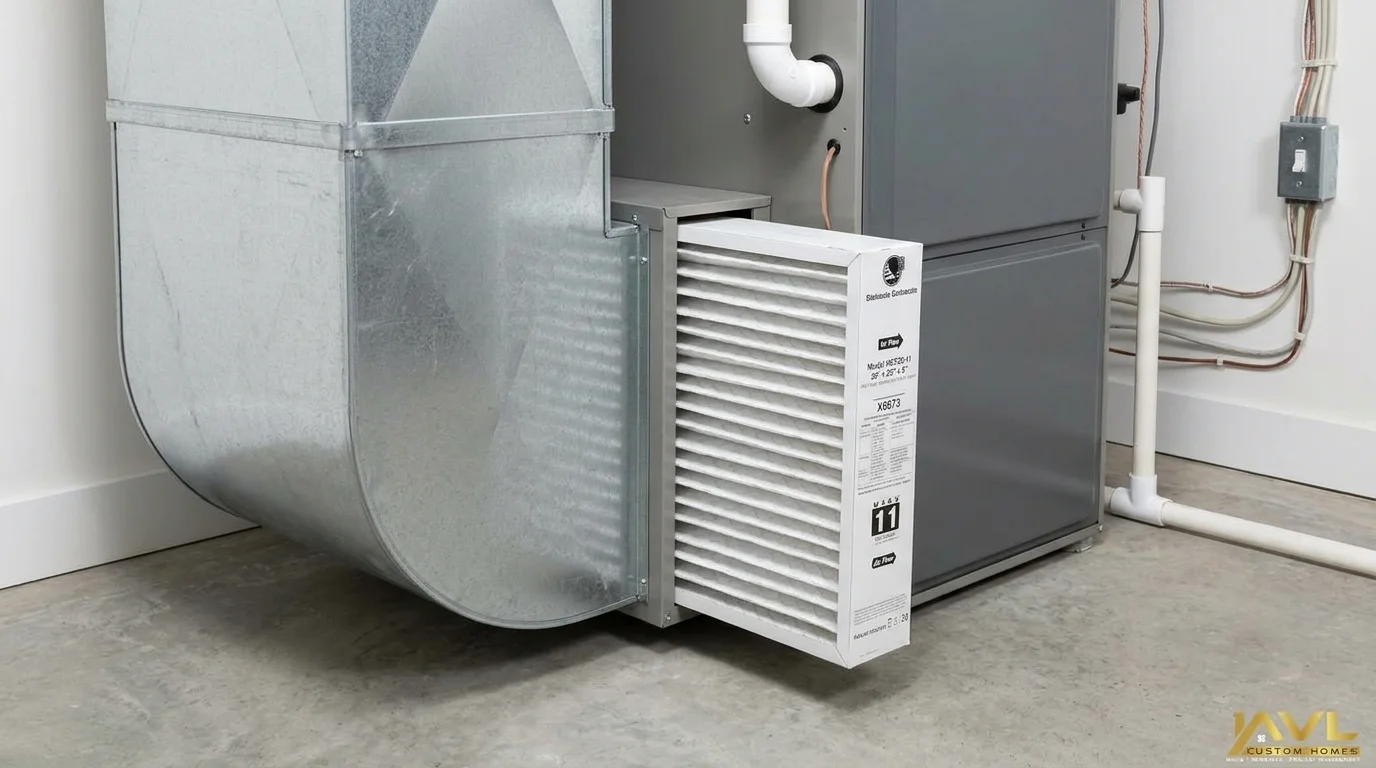
What to do: Replace your furnace filter with a clean, new one. If you have central air conditioning, clean around the outdoor condenser unit, removing any leaves or debris that accumulated over winter. Ensure vents throughout your home are open and clear of obstructions.
Why it's important: A clean filter improves air quality by trapping dust and allergens, and allows your HVAC system to operate more efficiently, extending its lifespan. A clear outdoor unit ensures proper airflow for efficient cooling.
Consequence of ignoring: Reduced air quality, increased energy consumption (higher utility bills), and potential for premature system failure. For reliable longevity, consider our home maintenance services in Toronto.
Stop guessing what needs to be fixed. Our Annual Home Care Program provides preventative oversight, thermal imaging, and proactive maintenance for high-value properties in the GTA.
Explore the ProgramPlumbing
What to do: Check under all sinks for any signs of leaks or drips. Inspect the base of toilets for any moisture. If your home has a sump pump, test it again and ensure its discharge pipe is clear. Check water heater for any signs of rust or leaks.
Why it's important: Small leaks can lead to significant water damage, rot, and mold growth if undetected. A functioning sump pump is vital for basement flood prevention, especially during the spring thaw. Early detection of water heater issues can prevent a catastrophic tank failure. If you are planning structural upgrades, our home renovation services in the GTA provide high-end modernization.
Consequence of ignoring: Hidden water damage, mold growth, costly repairs to drywall and flooring, and the potential for a complete basement flood if your sump pump fails.
Electrical
What to do: Test all Ground Fault Circuit Interrupter (GFCI) outlets using their "test" and "reset" buttons. Test all smoke detectors and carbon monoxide detectors, replacing batteries as needed. Inspect visible electrical cords for fraying or damage.
Why it's important: GFCIs provide crucial protection against electrical shock. Functional smoke and CO detectors are essential life-safety devices. Damaged cords are fire hazards.
Consequence of ignoring: Increased risk of electrical shock, fire hazards, and failure of critical safety alarms in an emergency.
Appliances
What to do: Clean the coils on the back or bottom of your refrigerator to improve efficiency. Clean the dryer vent and ductwork to remove lint buildup. Check the seals on your refrigerator and freezer doors to ensure they are tight.
Why it's important: Dirty refrigerator coils make the appliance work harder, consuming more energy. Lint buildup in dryer vents is a significant fire hazard. Tight appliance seals ensure proper temperature regulation and energy efficiency.
Consequence of ignoring: Higher energy bills, decreased appliance lifespan, and a serious fire risk from lint accumulation in dryer vents.
Homeowners across Toronto, Richmond Hill, Markham, and Vaughan face similar spring maintenance challenges due to Ontario’s climate. Addressing these issues early is essential for protecting both structural integrity and long-term property value.
Pest Control
What to do: Inspect your basement, attic, and around windows and doors for any signs of pest entry (droppings, gnaw marks, nests). Seal any small cracks or openings you find with caulk or steel wool.
Why it's important: As temperatures rise, pests become more active and seek entry into homes. Sealing entry points proactively prevents infestations.
Consequence of ignoring: Costly and irritating pest infestations that can damage your home’s structure, insulation, and wiring, and pose health risks.
Indoor Air Quality
What to do: Thoroughly clean all surfaces, dust high-reaching areas, and vacuum or clean carpets and upholstery to remove accumulated dust, allergens, and pet dander. Wash curtains and drapes.
Why it's important: Over winter, indoor air can become stale and filled with allergens due to closed windows. Spring cleaning improves air quality, which is beneficial for respiratory health and overall comfort.
Consequence of ignoring: Increased allergens leading to respiratory issues, persistent dust, and a generally less fresh and inviting indoor environment.
Professional Home Maintenance Services in Toronto: What to Outsource
While many tasks can be DIY, some require specialized expertise, tools, or safety precautions that make professional help invaluable. For an older detached home, investing in professional assessments and services can be the smartest way to protect your investment.
HVAC Tune-up
What to do: Schedule a professional HVAC technician to perform an annual tune-up for your furnace and air conditioning system.
Why it's important: A professional tune-up involves thorough cleaning, lubrication, calibration, and inspection of all components. This ensures your system runs at peak efficiency, identifies potential issues before they cause breakdowns, extends the unit's lifespan, and maintains your warranty. For a typical Toronto home, this service usually costs between $100 and $300.
Consequence of ignoring: Reduced energy efficiency (leading to higher utility bills), increased risk of breakdowns during peak usage, and shortened equipment life.
Roof Inspection & Repair
What to do: If you noticed significant damage during your visual inspection, or if your roof is older, hire a qualified roofing professional for a detailed inspection.
Why it's important: Professionals can safely get onto your roof, identify subtle issues like damaged flashing, soft spots indicating rot, or compromised valleys that aren't visible from the ground. They can perform necessary repairs or advise on replacement options, preventing major leaks and structural damage.
Consequence of ignoring: Untreated roof issues can quickly lead to widespread water damage throughout your home, including attic, ceilings, walls, and insulation, creating mold and potentially compromising structural integrity.
Foundation Repair
What to do: If you've identified significant cracks, bowing walls, or consistent moisture in your basement, consult with a foundation repair specialist.
Why it's important: Foundation problems are structural issues that can compromise the safety and value of your entire home. Professionals have the expertise to diagnose the root cause, whether it's poor drainage, soil settlement, or underlying structural deficiencies. They can provide solutions ranging from exterior epoxy injections for cracks to weeping tile replacement or underpinning. When considering such foundational work or any major structural upgrades, engaging a qualified luxury custom home builder ensures the structural integrity of your property is maintained to the highest code standards. To catch these issues before they require major excavation, we highly recommend enrolling your property in a proactive annual home maintenance program.
Consequence of ignoring: Progressive structural damage, chronic basement flooding, mold growth, decreased property value, and potentially unsafe living conditions.
Drainage System Inspection & Cleaning
What to do: If you've experienced slow drains, sewage backups, or suspect issues with your underground pipes or weeping tiles, hire a professional drain service.
Why it's important: Professionals can use camera inspections to locate blockages, identify pipe damage, or assess the condition of your weeping tile system. They can perform hydro-jetting or snaking to clear blockages, preventing costly backups and ensuring proper wastewater management, especially crucial for older homes with potentially aging infrastructure.
Consequence of ignoring: Severe plumbing backups, potential sewage spills in your home, and persistent moisture issues in your basement or foundation.
Exterior Painting/Staining
What to do: If your home’s exterior paint is peeling, chipping, or fading significantly, consider hiring professional painters for prep and application.
Why it's important: A fresh coat of paint not only enhances your home’s curb appeal but also provides a crucial protective layer against moisture, UV rays, and pests. Professional painters ensure proper surface preparation, use quality materials, and deliver a durable finish that protects your siding and trim for years. This can typically cost $3,000-$10,000+ for a detached home depending on size and material.
Consequence of ignoring: Accelerated deterioration of exterior surfaces, increased risk of moisture penetration and rot, pest entry, and diminished property value.
Window and Door Sealing/Replacement
What to do: If you consistently feel drafts or notice condensation despite DIY sealing efforts, consult with a professional window and door specialist.
Why it's important: Professionals can accurately assess your windows and doors for energy efficiency, identifying leaks that aren’t obvious. They can provide expert re-caulking, weather stripping replacement, or advise on energy-efficient window and door replacements that can drastically reduce your heating and cooling costs and improve comfort.
Consequence of ignoring: Significantly higher energy bills, uncomfortable drafts, noise pollution, and potential water damage around window and door frames.
Tree and Shrub Pruning
What to do: Inspect large trees and shrubs close to your home for dead or overhanging branches. Hire a certified arborist for professional pruning.
Why it's important: Dead or overgrown branches can pose a significant hazard. They can fall during storms, damaging your roof, gutters, or even injuring someone. Overhanging branches can also scratch your roof, clog gutters, and provide access for pests like squirrels or raccoons.
Consequence of ignoring: Property damage from falling branches, clogged gutters, and potential pest infestations.
Absolutely. For older homes, a proactive approach to maintenance is key. Professional annual home care packages, such as those offered by AVL Custom Homes, can provide peace of mind by scheduling seasonal checks, identifying issues early, and handling a variety of tasks before they become emergencies. This comprehensive service can save you significant time and money in the long run. Learn more about our Annual Home Care Program here.
Frequently Asked Questions (FAQ)
How often should older detached homes in Toronto be inspected professionally?
It's highly recommended to have older detached homes in Toronto undergo a professional inspection annually, ideally in the spring, to identify and address any issues that may have arisen during the harsh winter. For specific systems like HVAC or roofing, annual or bi-annual professional checks are also wise.
What are the biggest risks for older homes during spring thaw in Toronto?
The biggest risks include basement flooding due to compromised grading or weeping tiles, foundation damage from freeze-thaw cycles expanding existing cracks, and roof leaks from winter wear and tear on shingles and flashing.
How much does spring home maintenance cost in Toronto?
Spring home maintenance in Toronto typically ranges from $300 to $2,000 depending on the services required, with professional inspections, foundation repairs, and drainage work increasing overall costs. Simple eavestrough cleaning typically costs $150–$400.
Can I do spring home maintenance myself?
While you can handle basic tasks like cleaning gutters and filters, structural, roofing, and foundation checks should be handled by a licensed professional to ensure structural safety and prevent costly future damage.
When is the best time to start spring home maintenance in Toronto?
As soon as the snow has completely melted and temperatures are consistently above freezing, typically late March to early May, is the ideal time to begin your spring home maintenance tasks in Toronto.
Conclusion: Prioritizing Your Home's Safety and Efficiency
Spring home maintenance is more than just a seasonal chore; it's a vital investment in the longevity, safety, and efficiency of your older detached Toronto home. The unique challenges posed by our local climate, coupled with the inherent characteristics of aging structures, demand a proactive and thorough approach.
By prioritizing exterior inspections – focusing on your roof, foundation, and grading – you directly combat the effects of winter and prevent water-related damage that often leads to the most expensive repairs. Addressing DIY tasks inside ensures your home's systems run smoothly, maintaining comfort and efficiency. And critically, knowing when to call in the experts for specialized tasks like serious foundation repairs or HVAC tune-ups ensures that complex issues are handled safely and effectively, securing the structural integrity and functionality of your cherished property.
Don’t underestimate the power of early detection and preventative measures. A small crack today can become a major leak tomorrow. AVL Custom Homes understands the nuances of these beautiful, enduring properties and encourages homeowners to be vigilant. Make this spring the season you commit to comprehensive care for your home. For expert support with ongoing care or major work, explore our home renovation services in the GTA or our professional home maintenance services. Contact us today to get started.


Written by Ali Vaez
General Manager, AVL Custom Homes Inc.
Bringing over 20 years of global construction experience and operating as a licensed builder in Ontario since 2014, with dedicated service to Richmond Hill and the Greater Toronto Area.
Published: 2026-04-15 · 10 min read · 2,150 words
AVL Custom Homes provides expert luxury home services across Toronto, Richmond Hill, and the Greater Toronto Area.
Contact Us Today