
Vaughan Residential Infill 2026: Avoiding an Excavation Problem
Introduction
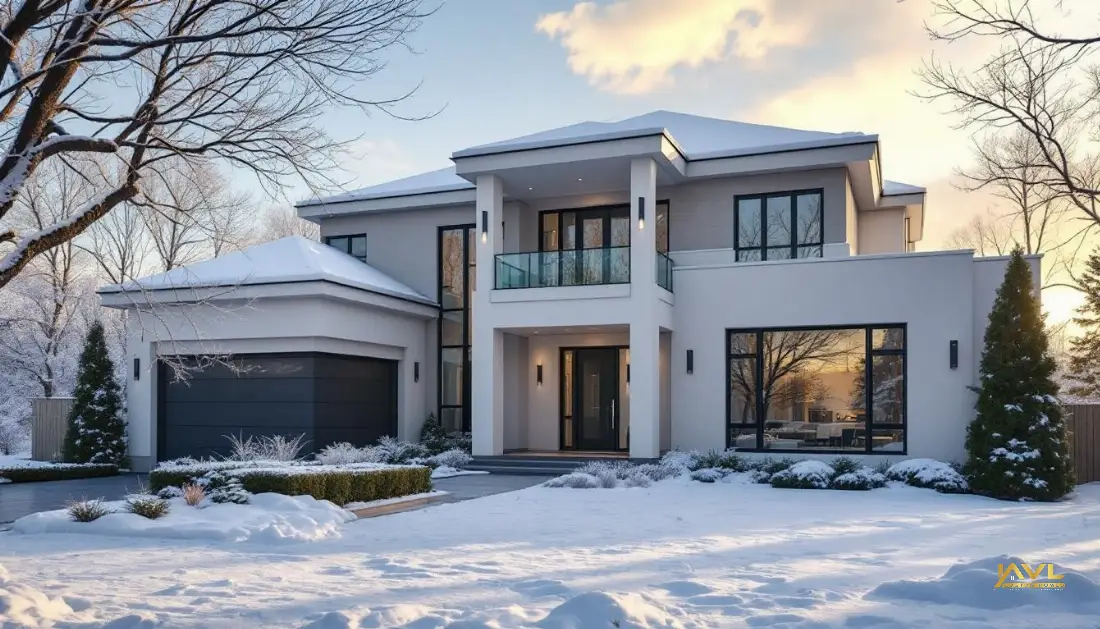
Vaughan, a vibrant and growing city within the Greater Toronto Area, presents unique opportunities for homeowners looking to build **luxury custom home construction**. With limited undeveloped land, residential infill construction has become a popular strategy. This involves building a new home on an empty lot, or replacing an older structure with a modern custom build, within an already developed area. For you, the homeowner, this means the chance to enjoy established amenities, mature trees, and excellent access to city services, all while designing a home perfectly tailored to your lifestyle.
What is Residential Infill Construction?
Residential infill construction refers to the development of new housing units on vacant or underutilized land within existing urban areas. In Vaughan, this often means acquiring an older property, demolishing the existing structure, and building a brand-new custom home. It can also involve building on a severed lot, creating a second dwelling unit, or redeveloping a larger parcel into multiple homes.
Why is Infill Important in Vaughan?
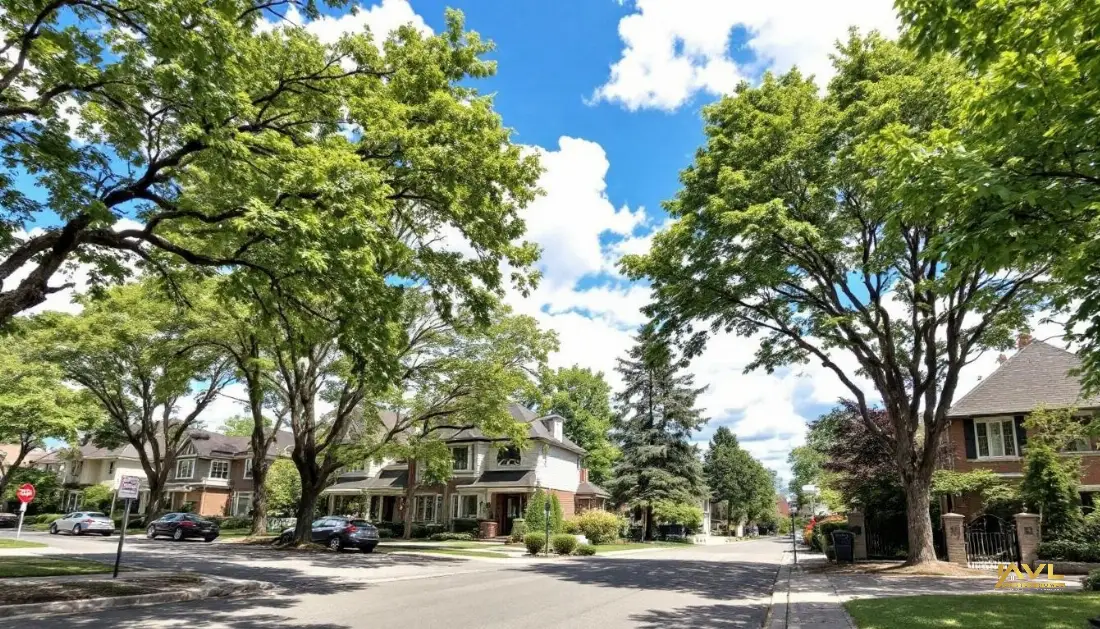
Vaughan's strategic location and continued growth mean that undeveloped land is scarce. Infill development is a sustainable approach to accommodate population growth and housing demand without sprawling outwards into green spaces. It revitalizes neighbourhoods, increases housing choices, and optimizes existing infrastructure. For you, this translates to the opportunity to live in a desirable, established community rather than a newly developed subdivision further from core services.
Consequences of Ignoring Local Regulations
Undertaking a custom home project, particularly an infill one, without a deep understanding of Vaughan's specific regulations is a recipe for significant delays, unexpected costs, and even legal issues. You could face permit denials, stop-work orders, costly redesigns, and fines. More importantly, it can compromise the safety and structural integrity of your home, and affect your neighbours. This is where professional guidance becomes invaluable to ensure compliance from day one.
Understanding Vaughan's Regulations for Residential Infill Construction
Navigating the regulatory landscape is perhaps the most critical step in your Vaughan residential infill construction journey. The City of Vaughan has specific bylaws, and the province sets overarching standards that directly impact your project. If you are starting with a substantial remodel of an existing property, hiring a professional **home renovation contractor** who understands these bylaws is essential.
Vaughan's Zoning Bylaws: What You Need to Know
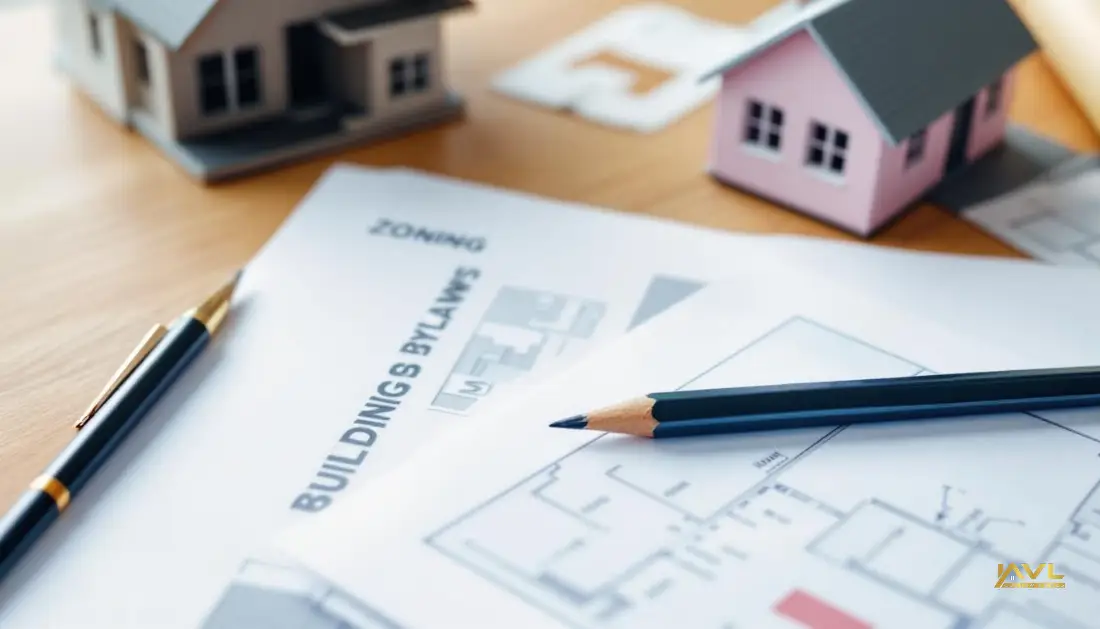
Zoning bylaws dictate how land can be used and what types of buildings can be constructed within specific areas. For your custom home, you'll need to understand regulations regarding:
- Lot Coverage: The maximum percentage of your lot that can be covered by buildings.
- Setbacks: The minimum distances your home must be from property lines (front, rear, and side).
- Height Restrictions: The maximum permissible height of your building.
- Gross Floor Area (GFA): The total area of all floors in your home, often limited by a percentage of your lot area.
- Parking Requirements: The number of parking spaces required for your dwelling.
- What:
- These bylaws are legal instruments that control development within the city.
- Why:
- They are in place to ensure orderly development, prevent overcrowding, maintain neighbourhood character, protect privacy, and ensure access to light and air for all residents.
- Consequence if Ignored:
- If your proposed design deviates from the zoning bylaw, your permit application will be denied. You would then either need to redesign your home to comply or apply for a minor variance from the Committee of Adjustment. This process is time-consuming, expensive, and success is not guaranteed, potentially derailing your entire project.
Solving Excavation Problems in Vaughan
Building a custom home in Vaughan often comes with unique below-grade challenges. From navigating TRCA (Toronto and Region Conservation Authority) regulations near ravines to managing high water tables and heavy clay soils, an excavation problem can quickly stall a project and inflate budgets.
Our approach at AVL Custom Homes involves deep soil testing and proactive shoring strategies before the first shovel hits the dirt. If you are facing a stopped site, a permit delay, or an unexpected shoring issue, you need a builder who knows how to navigate Vaughan's specific municipal requirements.
Call our project management team immediately to get your site moving.
Call 647-466-6989The Ontario Building Code and Local Amendments
While Vaughan has its zoning bylaws, the Ontario Building Code (OBC) is the province-wide regulation that sets minimum standards for the design, construction, and alteration of buildings. It covers everything from structural integrity, fire safety, and occupant safety to energy efficiency and accessibility.
- What:
- The OBC is a comprehensive set of technical requirements. Local municipalities, including Vaughan, can sometimes add specific local amendments or "schedules" to the OBC that are tailored to local conditions, though these are typically administrative or related to specific regional concerns.
- Why:
- The OBC's primary purpose is to protect public health and safety, ensure accessibility, and promote energy conservation. It provides a consistent baseline for construction quality across Ontario.
- Consequence if Ignored:
- Non-compliance with the OBC can lead to serious safety hazards, structural failures, and significant legal liabilities. Building inspectors will issue orders to comply, halting construction until issues are resolved, which will delay your project and increase costs. Your home insurance might also be voided, and you could face challenges selling the property in the future if building code violations are discovered.
If your custom home design exceeds lot coverage, is too close to a property line, or is too tall according to Vaughan's zoning bylaws, you have two primary options: revise your design to comply, or apply for a minor variance. A minor variance application seeks approval from the Committee of Adjustment for minor deviations from the zoning bylaw, but it requires public notification and approval, which can add significant time and cost to your project.
Preparing for Construction
A smooth construction process hinges on thorough preparation. From assembling your team to securing permits, every step needs careful attention. Experienced **custom home builders Toronto** will handle the heavy lifting of coordination, but you must stay informed.
Assembling Your Professional Team
Before you even think about breaking ground, you'll need the right experts by your side.
- Architect/Designer: Essential for translating your vision into detailed plans that meet both your aesthetic preferences and local regulations. They will be intimately familiar with Vaughan's bylaws.
- Structural Engineer: Ensures your home's structural integrity, especially crucial for multi-story or complex designs, and compliance with the OBC.
- General Contractor: The orchestrator of your project. A reputable custom home builder like AVL Custom Homes will have extensive experience with Vaughan infill projects, managing sub-trades, schedules, and budgets.
- Surveyor: Provides a legal survey of your property, marking boundaries and existing structures, which is critical for permit applications and accurate construction.
- Geotechnical Engineer (if required): Assesses soil conditions, especially if your lot has unique characteristics or if significant excavation is planned.
- What:
- This is your project team, each bringing specialized knowledge.
- Why:
- Each professional plays a vital role in ensuring your home is well-designed, structurally sound, compliant with all regulations, and built to a high standard. Trying to cut corners here is a false economy.
- Consequence if Ignored:
- Without a qualified team, your project is susceptible to poor design, structural issues, code violations, budget overruns, and severe delays. Unlicensed or inexperienced individuals can lead to shoddy workmanship and costly mistakes.
Obtaining Necessary Permits
Building permits are required for virtually any new construction, demolition, or significant renovation in Vaughan. This is a multi-step process.
- What:
- A building permit is official permission from the City of Vaughan to start construction, ensuring your plans comply with the OBC, zoning bylaws, and other applicable laws.
- Why:
- Permits ensure your project meets safety standards, local zoning requirements, and environmental regulations. They protect you, future occupants, and the wider community.
- Consequence if Ignored:
- Building without a permit is illegal and can result in significant fines, stop-work orders, and potentially the demolition of unauthorized construction. Even worse, it could expose you to liability if an accident occurs on your site or if the work performed is unsafe.
The Application for a Permit to Construct or Demolish
The City of Vaughan uses a specific form for permit applications. This form, along with detailed construction drawings, site plans, surveys, and potentially other reports (e.g., grading plans, energy efficiency calculations), forms the core of your application package.
- What:
- This comprehensive application requires detailed information about your project, from the scope of work to materials used, and must demonstrate compliance with all relevant codes and bylaws.
- Why:
- The city uses this information to review your plans thoroughly before granting permission to build. It's their mechanism to ensure your project is safe, legal, and fits within the community's framework.
- Consequence if Ignored:
- An incomplete or inaccurate application will lead to delays as the city requests more information, extending your permit approval timeline. A common homeowner mistake is underestimating the permit timeline, which can easily be several months for complex infill projects in Vaughan, even up to 6 months or more in busy periods. Factor this into your project schedule.
In addition to the main building permit for new construction, you might also require several other permits, depending on your project's scope: a demolition permit (if an existing structure is being removed), tree removal permits (if mature trees are on your property), grading and drainage permits, and possibly permits for specialized systems like septic fields (though less common in serviced infill areas). Your general contractor or architect can help identify all necessary permits.
Construction Process
Once permits are in hand, the real work begins. The construction of a luxury custom home in Vaughan is a meticulous process, progressing through several key stages.
Site Preparation and Groundbreaking
This initial phase sets the foundation for everything that follows.
- Demolition (if applicable): Careful, controlled removal of the existing structure, including proper disposal of materials, often with an emphasis on recycling where possible.
- Site Clearing and Grading: Removing debris, vegetation, and leveling the land to prepare for excavation.
- Excavation: Digging for the foundation, basement, and any underground utilities. This must be precise, following engineered drawings.
- Footings and Foundation: Pouring concrete footings and constructing the foundation walls (poured concrete or concrete blocks), which support the entire structure.
- Waterproofing: Applying membranes and drainage systems (e.g., weeping tile) to protect the basement from moisture.
- What:
- These are the initial, ground-level steps to establish the base of your new home.
- Why:
- A properly prepared site and a solid foundation are absolutely critical for the structural integrity, longevity, and dryness of your home. Any shortcuts here can lead to major, expensive issues down the line like cracks, leaks, and structural instability.
- Consequence if Ignored:
- Poor site preparation can result in drainage issues, erosion, or an unstable base for your home. A faulty foundation can lead to costly repairs, structural damage throughout the house, and diminished property value.
Framing and Enclosure
With the foundation complete, your home starts to take shape.
- Framing: Erecting the skeleton of the house using lumber or steel, including walls, floors, and roof trusses. This stage requires significant precision to ensure rooms are square and plumb.
- Roofing: Installing sheathing, underlayment, and the chosen roofing material (shingles, metal, etc.) to protect the structure from the elements.
- Exterior Sheathing and Windows/Doors: Applying exterior wall sheathing (e.g., plywood or OSB), then installing windows and exterior doors, effectively enclosing the structure.
- Rough-ins (Electrical, Plumbing, HVAC): Installing the networks of wiring, pipes, and ductwork within the walls, floors, and ceilings before they are covered. This is also when systems for smart home technology, central vacuum, and security might be roughed in.
- What:
- These steps build the physical structure of your home and bring it to a "weather-tight" state.
- Why:
- Accurate framing ensures structural stability and correct dimensions for all rooms. Proper enclosure protects the interior from weather damage, while correctly installed rough-ins are essential for the functionality, safety, and comfort of your home.
- Consequence if Ignored:
- Substandard framing can lead to sagging floors, crooked walls, and difficulty fitting finishes. Leaky windows or a poorly installed roof can cause water damage and mold. Incorrect rough-ins mean costly and disruptive repairs once walls are closed, or even safety hazards (e.g., electrical fires, carbon monoxide leaks).
Interior and Exterior Finishes
This is where your home truly becomes custom, reflecting your personal style and luxury choices.
- Insulation: Installing insulation in walls, ceilings, and floors to meet or exceed OBC requirements for energy efficiency.
- Drywall: Hanging and finishing drywall to create smooth interior walls and ceilings.
- Flooring: Installation of hardwood, tile, carpet, or other chosen flooring materials.
- Cabinetry and Millwork: Custom kitchen and bathroom cabinets, built-ins, trim, and doors.
- Painting: Interior and exterior painting.
- Exterior Cladding: Applying brick, stone, stucco, siding, or other chosen exterior finishes.
- Landscaping: Grading the property, installing patios, walkways, driveways, and planting gardens.
- What:
- These are the aesthetic and functional elements that complete your home, inside and out.
- Why:
- High-quality finishes contribute significantly to the value, comfort, and visual appeal of your luxury custom home. Energy-efficient insulation is crucial for minimizing utility costs in a climate like Vaughan's.
- Consequence if Ignored:
- Poorly executed finishes can detract from your home's value, look unsightly, and wear out quickly. Insufficient insulation leads to higher heating and cooling bills and an uncomfortable living environment.
For a luxury custom home in Vaughan, you should generally expect to budget anywhere from $350 to $600 per square foot for construction costs alone. This range can fluctuate based on the complexity of the design, the quality of materials chosen (e.g., high-end appliances, custom millwork, smart home technology), site-specific challenges, and the level of luxury finishes. This figure typically does not include the cost of land, permits, or landscaping.
Final Inspections and Occupancy
The final hurdle before you can move in.
- Final Building Inspections: City inspectors will review all aspects of the construction to ensure full compliance with the building permit and OBC. This includes structural, electrical, plumbing, and HVAC systems, as well as fire safety measures and overall readiness for occupancy.
- Occupancy Permit: Once all inspections are passed and any deficiencies addressed, the city issues an occupancy permit, allowing you to legally move into your new home.
- Deficiency Walk-Through: You, along with your builder (such as AVL Custom Homes), will conduct a final walk-through to identify any minor deficiencies or "punch list" items that need correction before final payment and handover.
- What:
- These are the final checks and approvals that validate your home's safety and legality for habitation.
- Why:
- The final inspections and occupancy permit are paramount for your safety and legal compliance. They certify that your home meets all regulatory standards and is fit for habitation. The deficiency walk-through ensures all work meets the agreed-upon standards.
- Consequence if Ignored:
- Moving into a home without an occupancy permit is illegal and can lead to fines and forced eviction. Ignoring deficiencies can result in long-term problems, dissatisfaction with your home, and potential disputes with your builder. To prevent future issues, we highly recommend enrolling in a **preventive home maintenance service** immediately after occupancy.
2026 Maintenance & Construction Milestone Checklist
Staying ahead of the calendar is the best way to avoid project bottlenecks. Use these 2026 dates to coordinate with your build team.
| 2026 Target Date | Task | Description |
|---|---|---|
| March 15, 2026 | Permit Submission | Finalize site plans for Spring construction approval. |
| May 1, 2026 | Excavation Start | Ground thaw allows for safe foundation work. |
| July 15, 2026 | Roofing & Enclosure | Lock in the envelope before late Summer rains. |
| September 30, 2026 | Thermal Integrity | Schedule a **thermal imaging home inspection** before the first frost. |
| November 20, 2026 | HVAC Commissioning | Ensure heating systems are balanced for Winter. |
Conclusion and Next Steps
Building a custom home through residential infill construction in Vaughan is a rewarding but complex endeavour. It offers the unparalleled opportunity to create a dream home in an established community, but success hinges on a deep understanding of local regulations, meticulous planning, and the expertise of a skilled professional team.
We've covered the crucial elements:
- Understanding Vaughan's regulations, particularly zoning bylaws and the Ontario Building Code, which are non-negotiable for project approval.
- Thorough preparation, from assembling your dream team of architects, engineers, and a trusted builder, to navigating the permit application process with precision.
- The construction phases, from groundbreaking to final inspections, each requiring meticulous attention to detail to ensure quality and compliance.
For your next steps, we strongly recommend:
- Further Research: Delve into the City of Vaughan's official website for the latest bylaws, permit applications, and development guidelines.
- Professional Consultation: We invite you to **request a consultation** to discuss your specific site and luxury requirements.
- Financial Planning: Secure your financing early and ensure your budget accounts for all potential costs, including land, permits, and a contingency fund.
- Visit Projects: If possible, visit other infill projects in Vaughan to get a sense of quality and style.
By taking these proactive steps, you'll be well-equipped to navigate the complexities of residential infill construction in Vaughan, transforming your vision into a beautiful, compliant, and enduring custom home.
FAQs
What is the typical timeline for a Vaughan residential infill project?
While every project is unique, a typical residential infill custom home in Vaughan can take anywhere from 18 to 24 months from the initial design phase to final occupancy. This includes several months for design and permit approvals (often 3-6 months), 12-18 months for construction, and a final period for landscaping and final touches.
Can I build a coach house or laneway suite on my infill lot in Vaughan?
Vaughan's zoning bylaws typically permit second dwelling units, including basement apartments, internal additions, or detached garden suites. However, specific regulations regarding size, setbacks, and parking apply. It's crucial to consult the city's zoning bylaws and a qualified architect to determine feasibility.
What are the environmental considerations for infill construction in Vaughan?
Environmental considerations include managing storm water runoff, protecting existing trees, and ensuring proper waste management. Vaughan has strict tree protection bylaws, and you may need a permit for tree removal. Sustainable building practices are mandated by the Ontario Building Code.
How do I find a reputable custom home builder for an infill project in Vaughan?
Look for builders with demonstrated experience in Vaughan's infill market. Check their portfolio, ask for references, and verify their licensing and insurance. Consider builders like AVL Custom Homes who have a track record of quality and client satisfaction in the GTA.
What is a minor variance and when might I need one?
A minor variance is an application to the Committee of Adjustment for permission to deviate slightly from a specific requirement of the zoning bylaw. You might need one if your proposed custom home design slightly exceeds the maximum lot coverage or is marginally closer to a property line than permitted. The deviation must be "minor" in nature and maintain the general intent of the bylaw.
Written by Ali Vaez
General Manager, AVL Custom Homes Inc.
Bringing over 20 years of global construction experience and more than a decade of dedicated service to Richmond Hill and the Greater Toronto Area.
Published: 2026-04-10 · 16 min read · 3,115 words
AVL Custom Homes provides expert home services across Vaughan and the Greater Toronto Area.
Contact us today — we serve Vaughan and surrounding communities.