
Vaughan Summer 2026: Essential Detached Home HVAC Maintenance Tips
Getting Ready for Summer: Why HVAC Maintenance Matters in Vaughan
Vaughan's dense, heavy clay soil acts as a massive thermal battery, retaining moisture that drives summer basement humidity levels up to 75% before your air conditioner even kicks on. This high latent heat load forces your cooling system to run longer cycles just to pull moisture out of the air. If you ignore this seasonal strain, you risk premature compressor failure. We design custom mechanical envelopes to handle these extreme temperature swings. A neglected system in a detached home works twice as hard if ignored. It labors constantly to maintain a comfortable 22°C. This constant cycling degrades electrical contacts and wears out blower motors.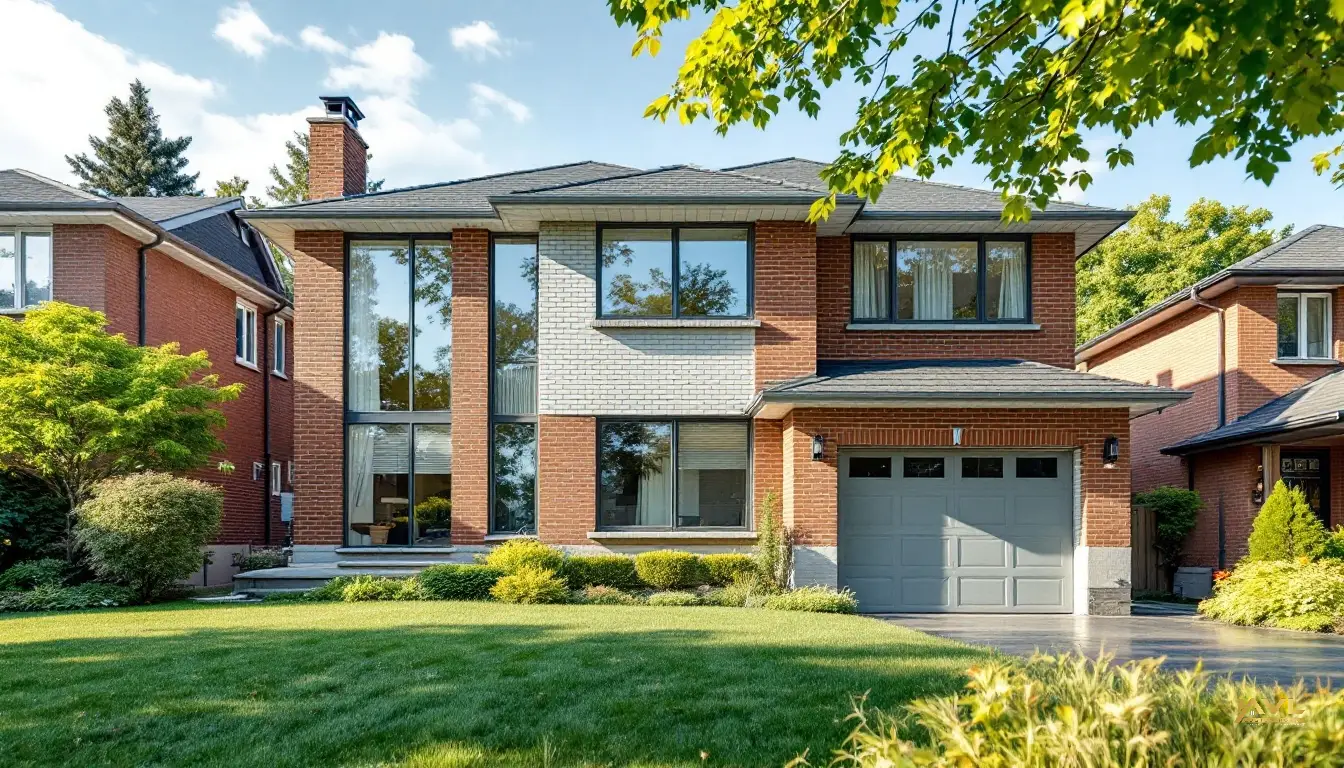
Understanding Your Detached Home's HVAC System: A Beginner's Guide
A typical 2,500-square-foot detached home in Vaughan relies on a split-system configuration where the indoor evaporator coil sits directly above your gas furnace. This indoor unit works in tandem with the outdoor condenser compressor to cycle refrigerant. If either side is restricted, the thermal transfer process breaks down. It stops working. During our design phase at AVL Custom Homes, our founder, structural engineer Ali Vaez, emphasizes the critical integration of mechanical ductwork with structural framing. If the original rough-in did not account for proper static pressure, your system operates at a disadvantage. Adding dust and debris to an already restricted system accelerates wear on the blower motor. We often see homes where the sequencing of trades during construction left ductwork full of drywall dust. This dust acts like sandpaper on your system's internal bearings. If your home has a complex layout with a steep roofline or multiple storeys, balancing the air distribution requires a perfectly clean system. Replacing a damaged blower motor in a modern variable-speed furnace can cost upwards of $1,200. This is an avoidable expense that usually stems from simple, neglected filter changes over a two-to-three-year period.DIY Summer HVAC Checks for Vaughan Homeowners: A Step-by-Step Guide
Ninety percent of AC airflow restrictions stem from a simple, neglected 1-inch paper filter that costs less than twenty dollars to replace. In Vaughan's newer subdivisions, ongoing construction kicks up fine particulate matter that clogs filters at twice the normal rate. First, shut off the power at the furnace switch and the outdoor disconnect box. Slide out the old filter and inspect it against a light source; if you cannot see light through it, it is done. Next, head outside to the condenser unit. Clear away any weeds, leaves, or mulch within a two-foot radius to allow unrestricted heat rejection.
When to Call a Professional: Signs Your HVAC System Needs Expert Attention
Refrigerant leaks do not just reduce cooling capacity; they alter the chemical balance of your system, leading to compressor burnout within 48 operating hours. If you notice your detached home's AC is running continuously without reaching the set temperature, you likely have a leak. Look for ice buildup on the copper refrigerant lines or the indoor evaporator coil. This is a clear sign of restricted airflow or low refrigerant levels. Do not attempt to fix this yourself. Handling refrigerant requires specialized licensing and WSIB-compliant technicians who follow strict environmental protocols. Our team utilizes builder-led preventive oversight to identify these issues before they cause structural damage. Water pooling around the base of your furnace is another red flag. This indicates a blocked condensate drain line or a cracked drain pan. If left unaddressed, this water can seep into your subfloor, leading to mold growth and compromised structural joists. A professional leak search using advanced thermal imaging diagnostics typically costs $200 to $450. Finding and patching a small leak in a copper joint early saves you from paying for a full system recharge, which can easily run over $1,000 depending on the type of refrigerant your system uses.Staying Cool and Saving Money: Tips for Energy-Efficient HVAC Operation in Summer
OBC 9.36 guidelines mandate strict energy-use metrics for residential envelopes, but those targets fall apart if your ductwork leaks 20% of its conditioned air into unconditioned wall cavities. In older detached homes across York Region, unsealed duct joints are a primary source of energy waste. To optimize your system, keep your thermostat at a consistent 23°C when home, rather than turning it off and on. Use smart zoning or adjust register vents in your basement to force more cool air to the upper levels. Keep your blinds closed on south-facing windows during peak afternoon sun to reduce the solar heat load. If you own an older property, you might also want to review our Richmond Hill Summer 2026 Home Maintenance Guide: Tips for Older Detached Homes or read up on Vaughan Townhouse Roof Maintenance 2026: Tips and Costs to understand how different property styles manage thermal loads. If you have properties across the GTA, check out our Summer 2026 Roof Maintenance Guide for North York Homeowners to keep your entire real estate portfolio protected. Sealing accessible ductwork with high-quality mastic tape costs less than $50 in materials and slashes monthly cooling costs by up to 15%. This simple weekend project pays for itself within the first two months of summer.
Frequently Asked Questions
How often should I perform summer HVAC maintenance on my Vaughan detached home?
You should perform basic DIY maintenance, such as checking and replacing filters, every 30 to 90 days. A professional technician should perform an in-depth system diagnostic and coil cleaning once a year, preferably in mid-spring before the high summer humidity sets in.
What MERV rating filter is best for a detached home in Vaughan?
A MERV 11 filter offers the best balance between air filtration and system static pressure for most modern residential HVAC systems. Using a higher MERV rating, like MERV 13, can restrict airflow too much, putting extra strain on your blower motor unless your system was specifically designed for it.
Why is my AC outdoor unit making a loud buzzing noise?
A loud buzzing noise usually points to an electrical issue, such as a failing contactor, a worn-out capacitor, or loose wiring. It can also indicate that the compressor is struggling to start. Turn off the system immediately and call a licensed technician to prevent complete compressor failure.
Does Vaughan's clay soil affect my detached home's HVAC system?
Yes. Vaughan's heavy clay soil retains high levels of moisture, which significantly increases indoor humidity in your basement. Your HVAC system must work harder to dehumidify the air. Using a dedicated whole-home dehumidifier alongside your AC helps manage this latent load efficiently.
Can I clean my own AC condenser coils?
Yes, you can clean the outdoor condenser coils by shutting off the power and gently spraying them with a garden hose to remove dirt, grass clippings, and cottonwood seeds. Avoid using a pressure washer, as the high pressure will bend the delicate aluminum fins and permanently restrict airflow.

Written by Ali Vaez
Founder & Principal Builder, AVL Custom Homes Inc.
Structural engineer with a BSc and MSc in Civil Engineering. Over 20 years of global construction experience, GTA operations since 2014.
Published: 2026-07-02 · 10 min read · 1,904 words
Ready to talk about your project?
AVL Custom Homes serves Vaughan and the Greater Toronto Area — custom builds, renovations, and builder-led home maintenance.
Request a ConsultationOr call 647-466-6989
