
April 30, 2026
·
17 min read
·
Land Utilization
2026 Markham Spring Landscape Design Trends for Large Properties
For 2026 Markham spring landscape design, focus on native plants, sustainable practices, and tailored garden care plans for large properties.
Spring in Markham offers a prime opportunity to transform your large property's landscape. Thoughtful design, incorporating native plants, sustainable practices, and strategic edible gardens, enhances curb appeal, boosts property value, and creates a vibrant, resilient outdoor living space. Proper planning and professional guidance ensure your vision flourishes, avoiding common pitfalls.
Introduction to Spring Landscape Design in Markham
As the snow melts and the first signs of green emerge, Markham homeowners with large properties face an exciting, yet often daunting, task: envisioning and implementing their spring landscape design. For many, a sprawling yard is both a blessing and a canvas, offering boundless potential for beauty, functionality, and enjoyment. Spring is not just about tidying up; it's about strategic planning and revitalization that sets the tone for your property's aesthetics and health for the entire year. **WHAT** exactly does spring landscape design entail for a substantial Markham property? It begins with a comprehensive assessment of your existing space, identifying areas for improvement, new installations, or complete overhauls. This includes everything from the fundamental structure of your garden beds and pathways to the selection of trees, shrubs, and perennial flowers. It's about optimizing sightlines, creating distinct outdoor "rooms," and ensuring seamless transitions across different zones of your property. For a large lot, this might mean designing a grand entrance, establishing private retreat areas, or integrating recreational spaces like a sport court or an expansive patio. The scope is often considerable, requiring careful thought regarding drainage, soil conditions, sun exposure, and the overall architectural style of your home. **WHY** is this early spring planning so crucial? A well-executed landscape design significantly elevates your property's curb appeal, making a powerful first impression. Beyond aesthetics, it tangibly increases your home's market value, often providing an excellent return on investment. More importantly, it enhances your personal enjoyment of your property, transforming a mere yard into a living extension of your home – a place for relaxation, entertaining, and connecting with nature. For large properties in Markham, a cohesive design can simplify maintenance, direct traffic flow efficiently, and prevent future problems by addressing issues like erosion or poor water management upfront. It’s an investment in your lifestyle and your property’s longevity. The **CONSEQUENCE** of ignoring thoughtful spring landscape design is multi-faceted and often costly. Without a clear plan, your property can quickly become an overgrown, unmanaged space lacking definition and purpose. You might end up with mismatched plantings, inefficient use of space, and ongoing maintenance headaches. An unkempt landscape can actually detract from your home's value, signaling neglect rather than pride of ownership. Furthermore, without addressing foundational elements like proper grading or plant selection, you might face issues with water pooling, plant disease, or a landscape that simply doesn't thrive in Markham’s specific climate and soil conditions, leading to wasted time, effort, and money on fixes down the line. A proactive approach in spring ensures your large property blossoms into its full potential, rather than languishing as an untapped resource.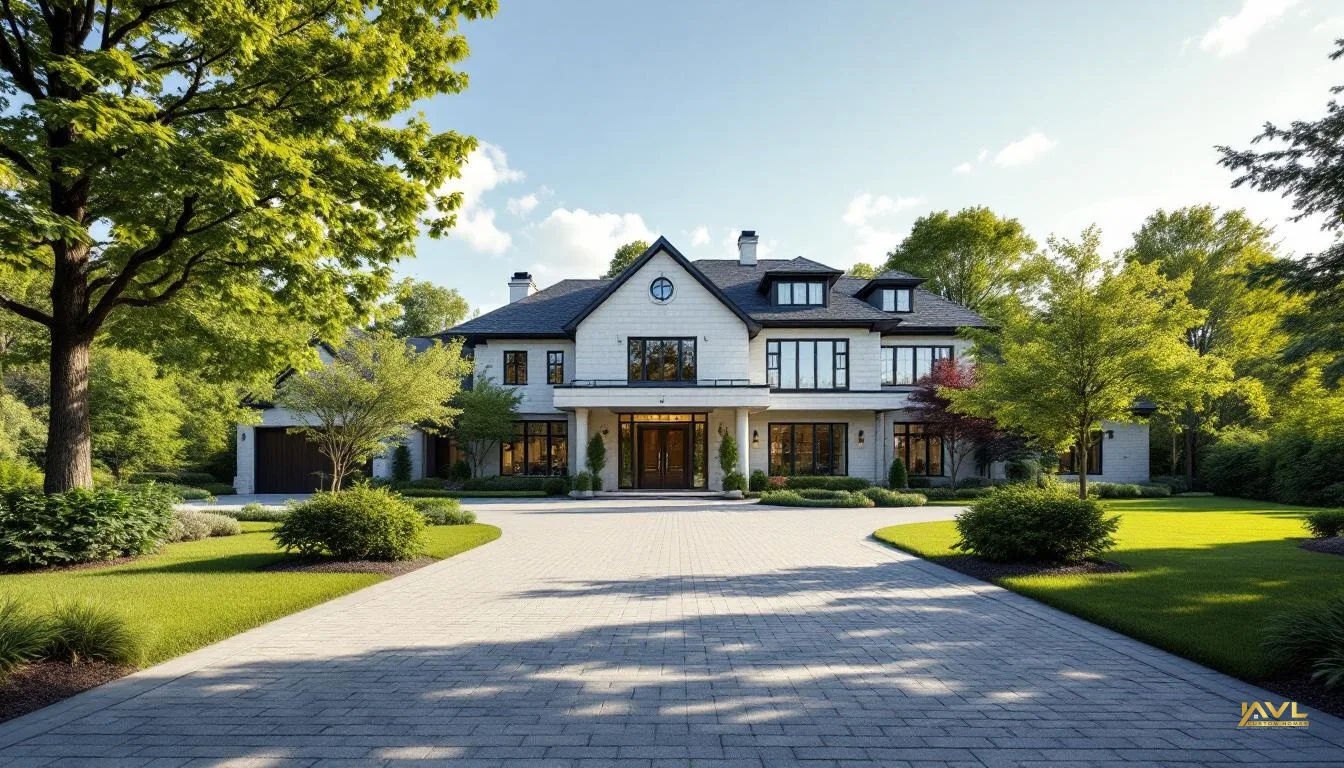
Benefits of Native Plants and Sustainable Landscaping for Large Properties
For large properties in Markham, embracing native plants and sustainable landscaping practices is not merely a trend; it’s a smart, responsible, and aesthetically rewarding choice. These approaches offer significant benefits, aligning with both environmental stewardship and practical homeowner needs. **WHAT** does this involve? Native plants are species that naturally occur in the Greater Toronto Area, adapted over centuries to our local climate, soil types, and wildlife. Sustainable landscaping extends this concept to include practices like efficient water use (xeriscaping), rainwater harvesting, creating rain gardens, using permeable paving materials, composting, and reducing the need for chemical fertilizers and pesticides. For a large property, this could mean designing vast swaths of your landscape with drought-tolerant native perennials, shrubs, and trees; incorporating a system to collect rainwater for irrigation; or building a beautiful rain garden that naturally manages stormwater runoff from your expansive driveway or roof. **WHY** should Markham homeowners prioritize native plants and sustainable methods, especially for larger lots? The advantages are numerous. Firstly, native plants are inherently resilient. Having evolved in this region, they require less water once established, are naturally resistant to local pests and diseases, and rarely need chemical intervention. This translates directly into lower maintenance demands and reduced utility bills for irrigation – a considerable saving for a large property. Secondly, native plantings support local biodiversity by providing essential food and habitat for pollinators, birds, and beneficial insects, contributing to a healthier ecosystem right in your backyard. A vibrant ecosystem means fewer pests and better natural balance. Thirdly, sustainable practices like rain gardens and permeable surfaces help manage stormwater, reducing runoff that can contribute to local flooding and protecting our waterways. In areas like Markham, where urban development continues to expand, managing water effectively on your property is increasingly vital. Lastly, designing with these principles ensures your landscape looks natural, harmonious, and truly belongs in its setting, enhancing the unique character of your property. Remember that under Toronto and Richmond Hill bylaws, soft landscaping must make up at least 50% of the front yard area, reflecting a broader GTA emphasis on green spaces and environmental integration—a principle equally valuable for Markham properties. The **CONSEQUENCE** of ignoring native plants and sustainable landscaping can be significant. Relying heavily on non-native species often leads to a higher demand for water, requiring constant irrigation during dry spells and pushing up your utility costs. These plants may also be more susceptible to local pests and diseases, necessitating frequent applications of pesticides and fungicides, which are harmful to the environment and potentially to your family and pets. Furthermore, a landscape dominated by non-native species can offer little ecological benefit, contributing to habitat loss for local wildlife and reducing the natural resilience of your garden. Without sustainable water management, your large property could exacerbate stormwater issues, leading to erosion or water pooling in undesirable areas. Opting out of these practices means more work, higher expenses, and a landscape that is less harmonious with its surroundings and less beneficial to the local environment.
What are the best native plants for a large Markham property?
For expansive properties, consider larger native trees like Sugar Maple, Eastern White Pine, or Red Oak for canopy and shade. Native shrubs like Serviceberry, Highbush Cranberry, or Common Juniper offer structure and berries for wildlife. For ground cover and perennial beds, Milkweed (essential for monarch butterflies), Wild Bergamot, Coneflowers, and various native grasses are excellent, providing continuous bloom and ecological value with minimal fuss.
For homeowners looking to integrate sustainable elements more deeply or undertake a more significant transformation, consulting with professionals experienced in Major Renovations can be incredibly beneficial. Their expertise ensures that your sustainable landscape design is not only beautiful but also functionally sound and compliant with any local guidelines, setting a standard that other properties might follow, much like those explored in discussions like 2026 Vaughan Spring Landscape Design: Top Trends for Detached Homes.
Spring Lawn Cleanup and Garden Care Plans for Markham Homeowners
Spring in Markham marks the crucial period for setting the stage for a healthy, vibrant lawn and garden throughout the growing season. A thorough cleanup and a well-thought-out care plan are foundational to achieving a landscape that thrives. **WHAT** does a comprehensive spring lawn cleanup and garden care plan involve? It starts with clearing away winter debris such as fallen leaves, broken branches, and any accumulated litter from your lawn and garden beds. Next comes dethatching, which involves removing the layer of dead grass, roots, and organic matter that accumulates above the soil line. Aeration follows, creating small holes in the soil to improve air, water, and nutrient penetration to the roots. For your lawn, overseeding bare or thin patches with a high-quality grass seed suited for Markham’s climate is essential. In the garden, pruning dormant trees and shrubs to remove dead or damaged wood and shape for future growth is vital. Amending the soil with compost or other organic matter enriches it, providing essential nutrients for emerging plants. Finally, a seasonal care plan outlines ongoing tasks such as fertilization schedules, watering guidelines, and pest management strategies. **WHY** are these tasks so critical in early spring? A thorough cleanup removes potential habitats for pests and diseases that might have overwintered, giving your plants a fresh start. Dethatching and aeration are paramount for lawn health; they prevent compacted soil, allowing grass roots to breathe and absorb water and nutrients more efficiently. This leads to a greener, denser, and more resilient lawn capable of withstanding summer stresses. Proper pruning in late winter or early spring encourages healthy new growth, improves air circulation within the plant canopy, and enhances flowering or fruiting. Amending the soil ensures that your plants have access to a rich nutrient base as they begin their active growth cycle. A proactive care plan, whether for the lawn or for the broader garden, helps prevent problems before they escalate, saving you time and money in the long run. The **CONSEQUENCE** of neglecting your spring lawn cleanup and garden care plans is a landscape that struggles to reach its full potential. A heavy layer of thatch can suffocate your lawn, preventing water and nutrients from reaching the roots, leading to weak, patchy, and disease-prone grass. Unaerated, compacted soil will hinder root development and overall plant vigor. Failing to prune can result in overgrown, unhealthy shrubs and trees susceptible to breakage, disease, and reduced flowering or fruiting. Without soil amendments, your plants may lack essential nutrients, leading to stunted growth and dull foliage. Ultimately, a neglected spring cleanup means you'll be fighting an uphill battle against weeds, pests, and unhealthy plant growth all season, requiring more intensive and often more costly interventions later. The effort you put in now pays dividends in a vibrant, healthy outdoor space. While some cleanup tasks are DIY-friendly, for extensive properties or specialized care like significant tree pruning, it might be wise to consider professional assistance, ensuring the work is done correctly and efficiently. Understanding real local costs for such services means budgeting effectively for a beautiful landscape.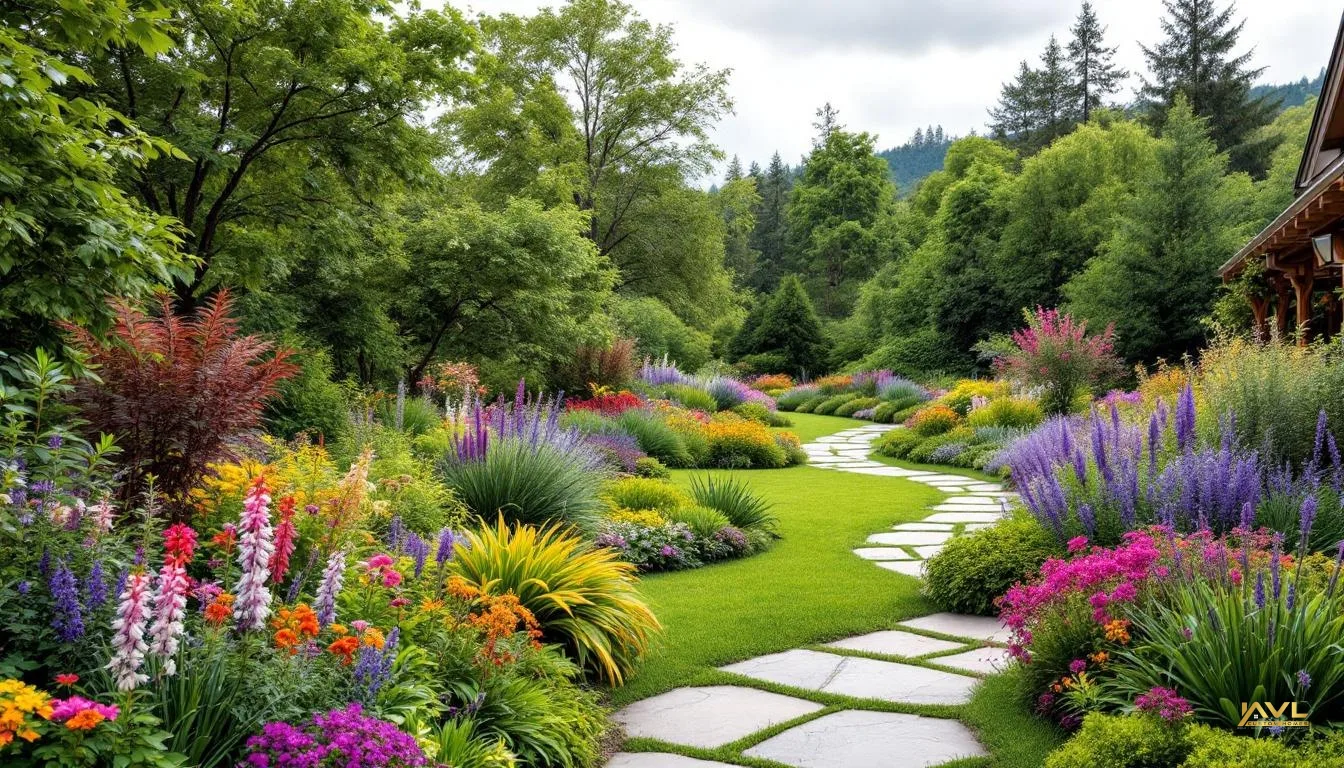
When is the best time to dethatch and aerate my Markham lawn?
The ideal time to dethatch and aerate your lawn in Markham is typically in early spring (April to early May) or early fall (September to October) when the grass is actively growing but not stressed by extreme heat. This timing allows the lawn to recover quickly and fill in any disturbed areas, promoting robust growth for the upcoming season.
For homeowners looking to ensure every detail of their property's exterior is pristine, from the lawn to the foundational elements, a comprehensive approach similar to a Markham Bungalow Spring Plumbing Maintenance Checklist 2026 ensures no stone is left unturned, even if the focus is different. If your landscape goals are ambitious and require significant construction or redesign, working with a reputable firm that offers Custom Home Building services might be an avenue to explore, as they often have the expertise to integrate complex landscape architecture seamlessly with your home's design.
Incorporating Fruit Trees, Berry Bushes, and Vegetable Beds into Landscape Architecture
For large properties in Markham, integrating edible plants into your landscape design offers a wonderful blend of aesthetic appeal, sustainability, and personal reward. Moving beyond purely ornamental landscaping, a thoughtfully designed edible garden can become a focal point, providing fresh produce while enhancing the overall beauty and functionality of your outdoor space. **WHAT** does this integration look like? It's not just about creating a utilitarian vegetable patch tucked away in a corner; it's about weaving fruit trees, berry bushes, and raised vegetable beds seamlessly into your existing or planned landscape architecture. Imagine espaliered apple trees trained along a fence line, creating a living screen, or blueberry bushes forming a vibrant border in a sunny garden bed. Raised vegetable beds can be designed with attractive materials like natural stone or cedar, becoming architectural features themselves. Herb spirals near your kitchen door offer both convenience and visual interest. Even ornamental plants like serviceberries, which produce edible fruit, can serve dual purposes. The key is careful placement, considering factors like sunlight exposure (most edibles need at least 6-8 hours of direct sun), proximity to water sources, and how they complement the surrounding hardscaping and plantings. **WHY** should Markham homeowners consider adding edibles to their large property landscape? The most obvious benefit is the bounty of fresh, organic produce right at your doorstep. Imagine stepping out to pick ripe tomatoes, crisp lettuce, or sweet berries for your breakfast. This not only provides healthier food options but also offers significant cost savings on groceries. Beyond sustenance, edible gardens are incredibly rewarding. They connect you with nature, offer a tangible sense of accomplishment, and can be a wonderful educational experience for children. Aesthetically, many fruit trees and berry bushes are beautiful in their own right, with attractive blossoms in spring, lush foliage in summer, and often vibrant fall colours. Thoughtfully designed vegetable beds can add texture and structure to your garden. Furthermore, a property with a productive, well-integrated edible landscape can hold unique appeal, adding to its overall value and distinction. The **CONSEQUENCE** of incorporating edibles without proper planning can lead to frustration and wasted effort. Poor placement, for example, can result in insufficient sunlight for your plants, leading to meager yields or unhealthy growth. Neglecting soil preparation or choosing plants unsuited to Markham's climate will similarly result in failure. A common mistake we see is homeowners constructing garden elements like large raised beds or even small sheds for tools without checking setback requirements from property lines, resulting in city tear-down orders. This highlights the importance of understanding local bylaws and ensuring any significant landscaping or structural additions comply with municipal regulations. Without a cohesive design, your edible components might look haphazard and detract from the overall beauty of your large property. This can turn a dream of fresh produce into a continuous battle against unproductive plants, pests, and a visually unappealing space. Just as important as designing is maintaining; if you're not ready for the commitment, edible gardens can quickly become overgrown and neglected, defeating their purpose. For those undertaking significant garden renovations or considering adding structures, whether for edibles or other purposes, it's always wise to consult with professionals who understand local regulations and can help manage your project seamlessly. Whether it's planning for a major outdoor kitchen or intricate terraced garden beds, their expertise can be invaluable, much like the detailed planning required for any comprehensive property enhancement, such as those discussed in an 2026 Oakville Townhouse Spring Maintenance Guide. AVL Custom Homes, for instance, often collaborates with landscape architects to ensure that major exterior transformations are both beautiful and fully compliant with all municipal requirements, preventing costly mistakes.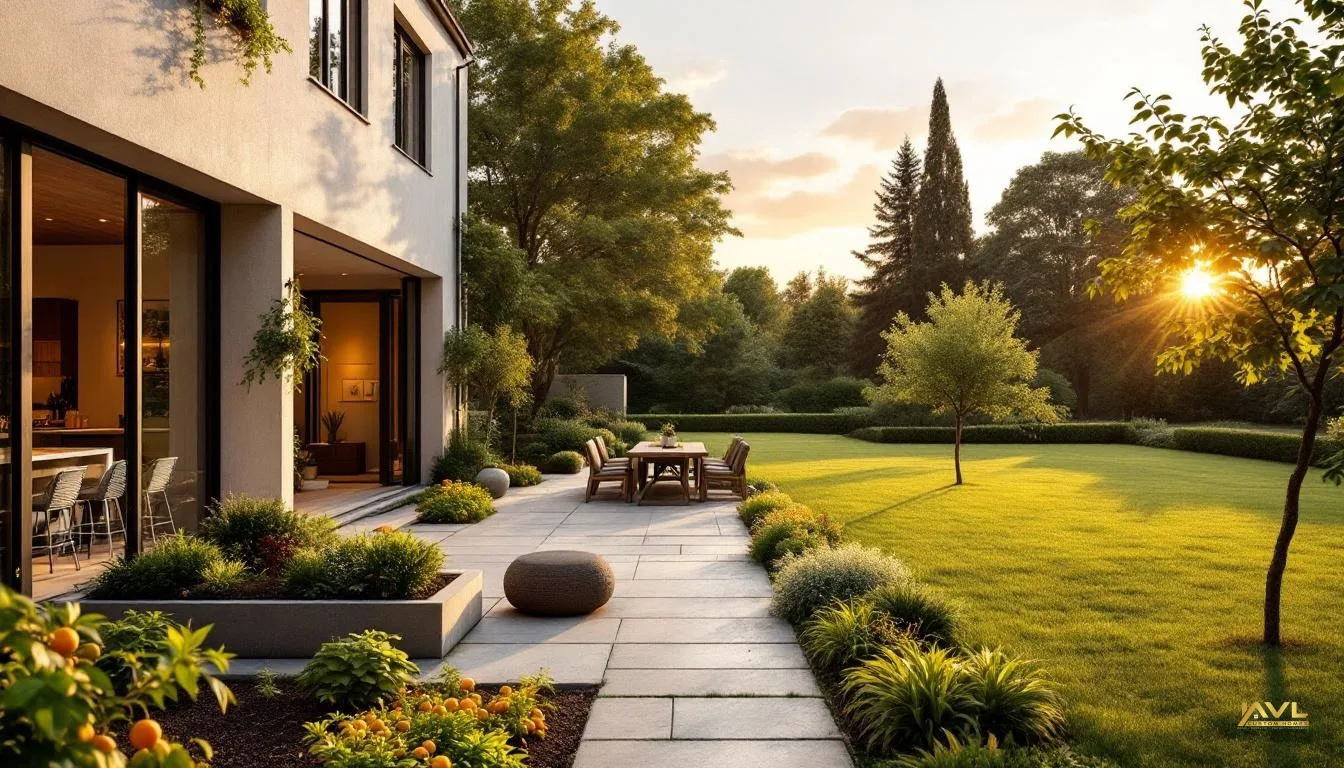
Conclusion and Actionable Tips for Markham Homeowners
Spring in Markham offers a fresh start, a verdant invitation to transform your large property into a landscape that not only captivates but also contributes to your lifestyle and the local environment. From the initial cleanup to the strategic integration of native plants and edible gardens, thoughtful spring landscape design is an investment that pays dividends in beauty, sustainability, and property value. The journey begins with recognizing the potential of your expansive space. By embracing native flora, you cultivate a resilient, low-maintenance garden that thrives in our climate and supports crucial biodiversity. Implementing sustainable practices like smart water management further solidifies your commitment to an eco-friendly and cost-effective outdoor living experience. And by ingeniously weaving in fruit trees, berry bushes, and vegetable beds, you add a layer of functionality and personal reward, turning your landscape into a productive extension of your home. Here are some actionable tips for Markham homeowners to embark on their spring landscape design journey: * **Start with a Master Plan:** Even if you're tackling projects in phases, sketch out a comprehensive plan for your entire property. Consider zones for entertainment, relaxation, edibles, and natural areas. This prevents disjointed efforts and ensures a cohesive final look. * **Assess and Amend Your Soil:** A soil test is invaluable. Knowing your soil's composition and pH levels will guide your plant choices and nutrient amendments, laying a strong foundation for healthy growth. * **Prioritize Native Plants:** Research native trees, shrubs, and perennials that are well-suited to Markham's conditions. Visit local nurseries that specialize in native species for expert advice and selection. * **Embrace Water Management:** Think about how water moves across your property. Consider rain barrels, rain gardens, or permeable pathways to capture and utilize rainwater efficiently, reducing runoff and irrigation needs. * **Plan Edible Gardens Thoughtfully:** Identify sunny spots for fruit trees, berry bushes, and vegetable beds. Design these areas to integrate aesthetically with your overall landscape, perhaps using attractive raised beds or espalier techniques. Remember to check setback bylaws for any structures. * **Invest in Quality Tools and Materials:** Good tools make tasks easier and more efficient. High-quality materials for hardscaping, soil amendments, and plants will ensure longevity and a professional finish. * **Consider Professional Guidance:** For large-scale projects, complex designs, or integrating significant structural elements, don't hesitate to consult with a landscape architect or design-build firm. They can provide expertise, ensure compliance with local regulations, and bring your vision to life seamlessly. Firms like AVL Custom Homes understand the intricacies of Markham property development and can help translate ambitious landscape designs into stunning realities, often collaborating with specialized landscape teams to ensure the highest quality results.
How can I ensure my large landscape design stays within budget?
To keep your large landscape design project within budget, start by prioritizing needs versus wants, focusing on structural elements and foundational plantings first. Get multiple quotes for materials and labor, and consider tackling some phases yourself. Opt for mature plants strategically rather than everywhere to save costs, and choose native, low-maintenance options to reduce long-term expenses. A detailed plan and phased approach are key.
What is the ideal timeline for spring landscape design in Markham?
The ideal timeline for spring landscape design in Markham begins with planning in late winter (February-March). This allows ample time for design, ordering materials, and scheduling contractors. Physical work like cleanup, pruning, and soil preparation can start as soon as the ground thaws (late March-April), with planting of most trees, shrubs, and perennials occurring in May.How do I choose the right plants for my large Markham property?
When choosing plants for a large property, consider sun exposure, soil type, mature size, and desired aesthetic. Prioritize native plants for their resilience and ecological benefits. Also, factor in seasonal interest (flowers, fall color, winter structure) and varying heights and textures to create visual depth and year-round appeal.What are common mistakes to avoid in spring landscape design for large properties?
Common mistakes include neglecting a comprehensive plan, choosing plants unsuited to Markham's climate or soil, ignoring drainage issues, improper spacing of plants (leading to overcrowding), and failing to check local bylaws for structures or grading changes. Rushing the process without proper preparation also leads to subpar results.Can I incorporate water features into my large Markham landscape?
Yes, water features can be a stunning addition to a large Markham property. From ponds and streams to decorative fountains or rain gardens, they add visual interest, soothing sounds, and attract wildlife. Ensure proper planning for size, filtration, maintenance, and proximity to power and water sources.When should I hire a professional for my Markham spring landscape project?
You should consider hiring a professional for extensive projects, complex designs, major hardscaping, large tree planting, or if you lack the time or expertise. Professionals can provide detailed plans, ensure compliance with local regulations, access quality materials, and execute the project efficiently, saving you time and potential costly errors.
Written by Ali Vaez
General Manager, AVL Custom Homes Inc.
Bringing over 20 years of global construction experience and more than a decade of dedicated service to Richmond Hill and the Greater Toronto Area.
Published: 2026-05-01 · 17 min read · 3,285 words
AVL Custom Homes provides expert home services across Markham and the Greater Toronto Area.
Contact us today — we serve Markham and surrounding communities.