
April 28, 2026
·
16 min read
·
Asset Protection
Markham Bungalow Spring Plumbing Maintenance Checklist 2026
Inspect and maintain your Markham bungalow's plumbing system this spring to prevent water damage and leaks.
Ensuring your Markham bungalow's plumbing is meticulously maintained each spring is crucial for preventing costly damage and preserving your home's integrity. As the snow melts, hidden issues from winter often surface, demanding attention to exterior drainage, foundation, and interior systems. Proactive inspection and timely repairs protect against basement flooding and extend the lifespan of your plumbing infrastructure, offering peace of mind.
Introduction to Spring Plumbing Maintenance for Markham Bungalows
As the Greater Toronto Area awakens from its winter slumber, the arrival of spring in Markham brings with it not only warmer weather and blooming gardens but also a critical window for homeowners to address their property's resilience. For those residing in charming bungalows across Markham, this seasonal transition presents a unique set of considerations, particularly concerning plumbing. These single-story homes, often cherished for their accessibility and classic appeal, have distinct needs when it comes to safeguarding their systems against the thaw. The deep frosts and heavy snowfalls characteristic of Ontario winters can take a significant toll, stressing pipes, foundations, and drainage systems in ways that often become apparent only as temperatures rise. Understanding the specific vulnerabilities of your bungalow at this time of year is the first step toward a proactive maintenance strategy that preserves both your comfort and your home's long-term value. Spring plumbing maintenance is far more than a routine chore; it's an essential investment in the structural integrity and health of your Markham property. The dramatic shift from freezing temperatures to rapid thaws can create pressure points throughout your plumbing network. From the subtle cracks in exterior concrete that allow water ingress to the internal systems that might be quietly failing under accumulated stress, every component warrants attention. A methodical approach ensures that you identify potential issues before they escalate into costly emergencies. This guide is designed to empower you, the homeowner, with the knowledge and actionable steps needed to thoroughly inspect and maintain your bungalow's plumbing, ensuring it stands robustly against the elements and continues to provide a secure and comfortable living environment for years to come.
Why is spring particularly crucial for bungalow plumbing?
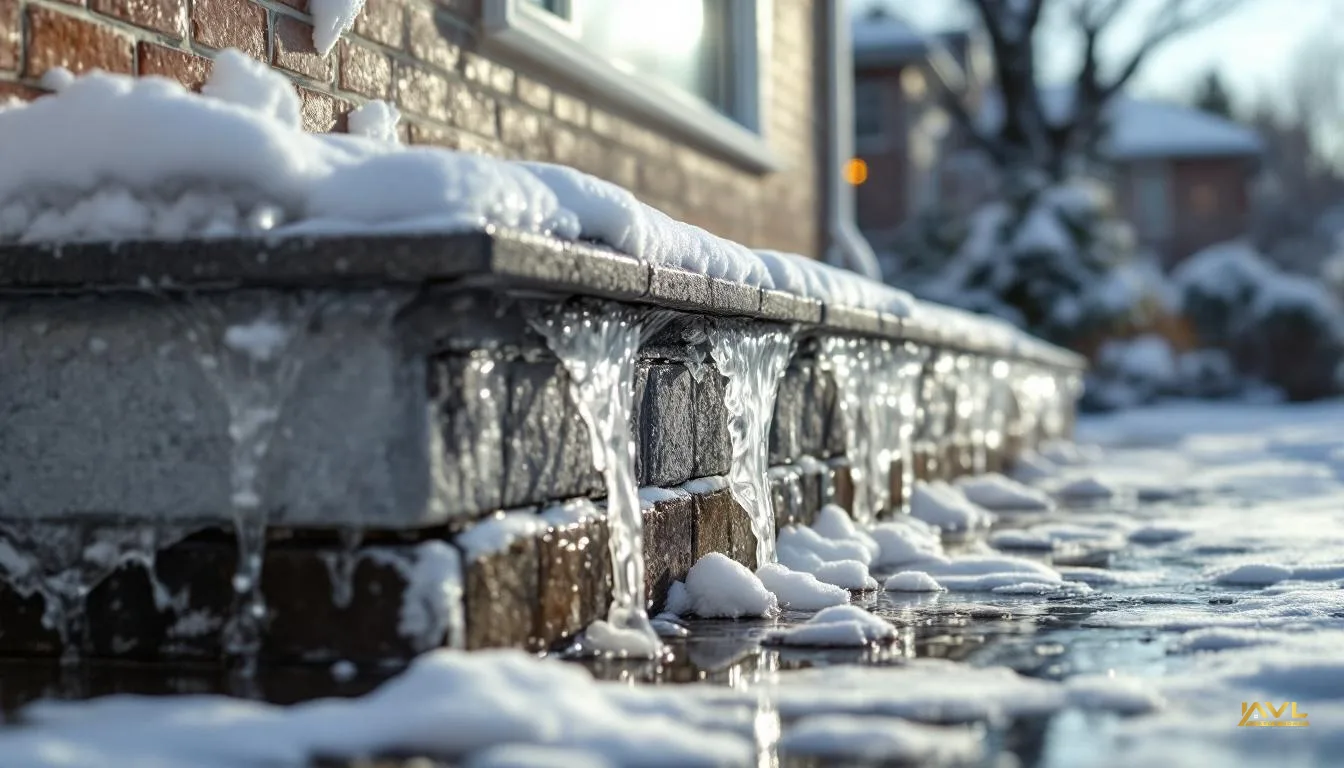
Bungalows, with their compact footprint and often older construction in areas like Markham, are particularly susceptible to ground-level issues. The close proximity of plumbing to the foundation and ground makes them vulnerable to freeze-thaw cycles impacting buried pipes, exterior drainage, and weeping tile systems, which are vital for preventing basement flooding.
Common Spring Plumbing Issues in Markham Bungalows
The transition from winter's grip to spring's embrace in Markham can unveil a host of plumbing challenges for bungalow owners, many of which are directly attributable to the harsh climate we endure. One of the most prevalent and destructive issues is basement flooding. This isn't merely an inconvenience; it can lead to extensive property damage, mould growth, and significant repair costs. The primary culprit in many of these cases is often a combination of unmaintained exterior grading and failed weeping tiles. As the heavy snows melt rapidly, especially during spring thaws in Ontario, the ground becomes saturated. If your home's exterior grading directs water towards the foundation instead of away from it, or if the weeping tile system designed to divert groundwater is clogged or collapsed, excess water has nowhere to go but into your basement. This local phenomenon causes a massive spike in basement flooding calls each spring, underscoring the urgency of proactive checks. Beyond the immediate threat of flooding, several other issues commonly surface. Frozen and burst pipes, while often identified during winter, may only reveal the full extent of their damage once water flows freely through the system again in spring. A small, undetected crack from a frozen pipe can turn into a significant leak, damaging walls, ceilings, and flooring. Similarly, sump pump failures are a critical concern. Your sump pump works tirelessly during periods of heavy rain and snowmelt to keep your basement dry. If it's old, clogged, or has lost power during a winter storm, spring is when its inadequacy becomes dangerously apparent. Regular testing and maintenance of this vital piece of equipment can prevent disastrous outcomes. Exterior elements also play a significant role. Clogged eavestroughs and downspouts might seem minor, but they are a gateway to major water damage. If winter debris or accumulated ice has blocked these channels, spring rains will cause water to overflow, pooling around your foundation. This not only contributes to the basement flooding problem but can also erode landscaping and even compromise the structural integrity of your home over time. A common mistake many homeowners make is forgetting to clear eavestroughs in the autumn, leading to hazardous ice damming in January and subsequent overflowing in spring. Furthermore, damaged outdoor faucets (hose bibs) are a frequent discovery. If these weren't properly drained and shut off for winter, the trapped water can freeze and expand, cracking the faucet or the pipe leading to it. Turning on your outdoor water supply in spring without checking these can lead to immediate and wasteful leaks. Addressing these common problems proactively can save Markham bungalow owners from considerable stress and expense.Step-by-Step Spring Plumbing Inspection for Bungalow Owners
Undertaking a comprehensive spring plumbing inspection is one of the most valuable investments of time you can make for your Markham bungalow. This systematic approach ensures that no critical component is overlooked, providing peace of mind and protecting your property from preventable damage. Begin your inspection outdoors, where the winter's impact is often most visible.Exterior Inspection: Safeguarding Your Foundation and Drainage
Start with a thorough examination of your home's perimeter. Pay close attention to the exterior grading around your foundation. Ensure that the ground slopes away from your house on all sides. If you notice areas where water might pool or where the ground is level or slopes towards the foundation, this requires immediate attention to prevent water penetration into the basement. Next, inspect your eavestroughs and downspouts. Are they clear of leaves, twigs, and other debris that accumulated over winter? Are they securely attached and free from cracks or rust? Ensure downspouts extend several feet away from the foundation, ideally with extensions, to direct rainwater effectively. Blockages here are a primary cause of foundation saturation and, ultimately, basement flooding. Another critical area is the outdoor faucets (hose bibs). Carefully turn them on to check for leaks around the spigot, pipe connections, or from the wall. Even a slow drip can indicate internal damage from freezing. While you're outside, take a moment to look at your home's foundation itself. Search for any visible cracks or signs of moisture. Ignoring minor foundation cracks can be a costly mistake, as winter freeze-thaw cycles can expand them dramatically, compromising your home's structural integrity and inviting water intrusion. Early detection allows for timely, less expensive repairs.Basement and Utility Room Inspection: The Heart of Your Plumbing
Move your inspection to the basement, often the most vulnerable area for water damage. First, test your sump pump. Pour a bucket of water into the sump pit to ensure it activates properly, drains the water, and shuts off automatically. Listen for unusual noises and check for any debris in the pit. Next, inspect exposed pipes for any signs of corrosion, drips, or water stains on surrounding walls or floors. Pay particular attention to connections and valves. This is also an ideal time to examine your hot water heater. Look for rust, leaks around connections, or puddles underneath. Draining a few gallons from the bottom of the tank can remove sediment, improving efficiency and extending its lifespan. If you have a floor drain in your basement, ensure it's clear of obstructions and has a working trap seal to prevent sewer gases from entering your home.Interior Inspection: Kitchens, Bathrooms, and Laundry
Finally, move through the living spaces of your bungalow. In kitchens and bathrooms, check all faucets and showerheads for drips or leaks. A small drip can waste hundreds of gallons of water annually. Inspect under sinks for any signs of leaks or water stains on the cabinet base. Test the flush mechanisms of all toilets, ensuring they don't constantly run or leak from the base. Check visible supply lines for any signs of wear or damage. For your laundry room, inspect the washing machine hoses. Rubber hoses can degrade and burst over time; consider upgrading to braided stainless steel hoses for enhanced durability. While performing these checks, also look at the dryer vent, ensuring it's clear to prevent fire hazards. By systematically working through these areas, you create a comprehensive overview of your bungalow's plumbing health, allowing you to proactively address any emerging issues.
What's the typical lifespan of a sump pump, and when should I consider replacing it?
A well-maintained sump pump typically lasts 7 to 10 years. If yours is older than this, or if it's struggling to keep up with heavy flow, making unusual noises, or running excessively, it’s wise to consider replacement. Proactive replacement can cost around $500-$1500 for the unit and installation, far less than the cost of water damage remediation from a failed pump.
DIY Spring Plumbing Maintenance Tasks for Markham Bungalows
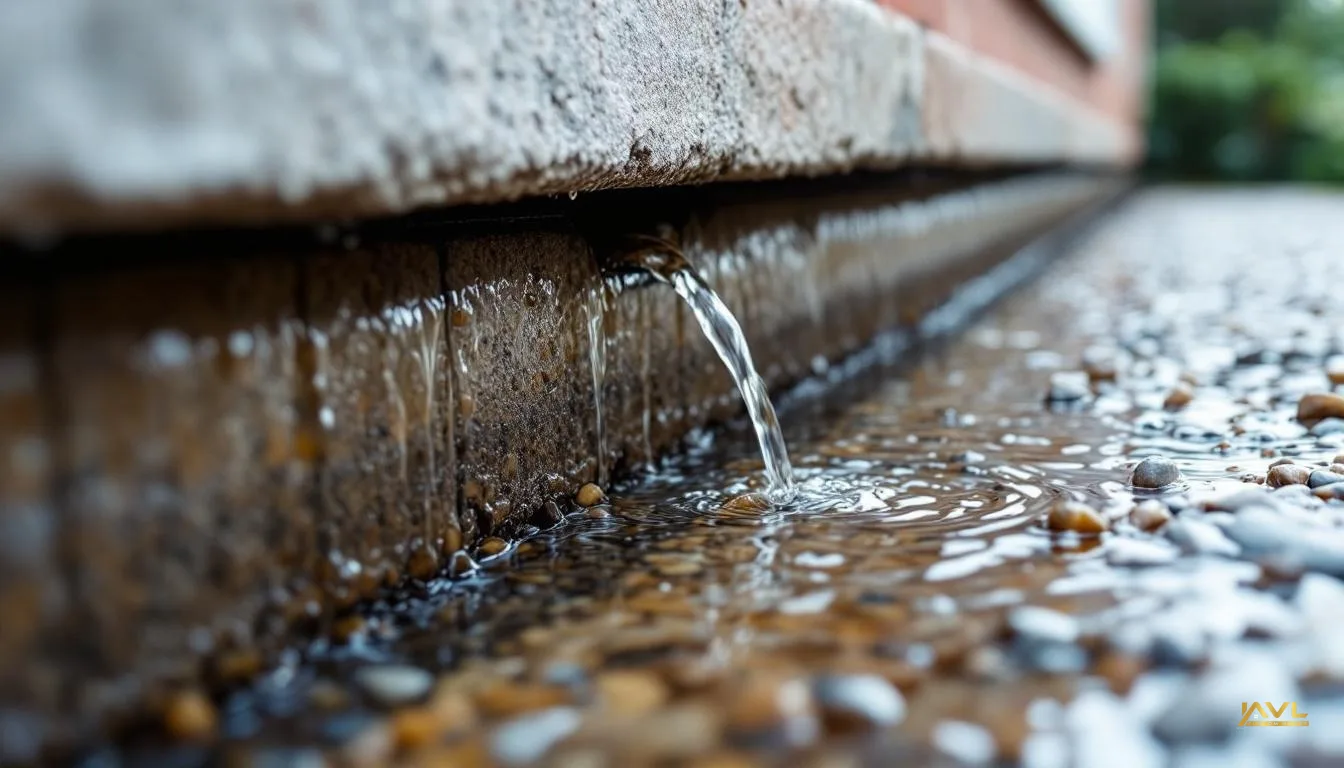
For many Markham bungalow owners, performing routine plumbing maintenance offers a sense of accomplishment and can save on professional service calls for minor issues. While some tasks require a licensed professional, a significant portion of spring plumbing upkeep falls well within the capabilities of a diligent homeowner. These DIY efforts are crucial for extending the life of your plumbing system and preventing larger, more costly problems down the line.Eavestrough and Downspout Cleaning: Preventing Water Damage
One of the most critical and often overlooked DIY tasks is the thorough cleaning of your eavestroughs and downspouts. Throughout winter, debris like leaves, shingle grit, and even small branches can accumulate, leading to severe blockages. When spring rains arrive, these blockages prevent proper water flow, causing water to spill over the sides, pool around your foundation, and potentially seep into your basement. Start by using a sturdy ladder, ensuring it's securely placed. Wear gloves and scoop out all visible debris. Flush the eavestroughs with a garden hose to check for any remaining clogs and ensure water flows freely down the downspouts. If water backs up, you may need to use a plumber's snake or disassemble downspout sections to clear stubborn blockages. This simple task can prevent significant water damage and is a powerful defence against the spring thaw's impact on your home's integrity. Forgetting to clear eavestroughs can even lead to dangerous ice damming in January, compromising your roof and walls long before spring arrives.Testing and Maintaining Your Sump Pump: Your Basement's Guardian
Your sump pump is your basement’s first line of defence against flooding, especially during heavy spring rains and rapid snowmelt. Regular testing ensures it’s ready to perform when you need it most. To test, simply pour a bucket of water into the sump pit. The pump should activate immediately, discharge the water, and then shut off. If it doesn't, or if it makes unusual noises, further investigation is warranted. Beyond testing, periodically check the pit for any debris that could clog the float switch or impeller. Ensure the discharge pipe is clear and free of obstructions. Keeping this system in prime condition is vital, as a failed sump pump can quickly lead to thousands of dollars in water damage, a common issue in Markham during intense spring deluges.Addressing Leaky Faucets and Toilets: Conserving Water and Preventing Damage
Minor leaks might seem insignificant, but they represent wasted water and potential damage. A dripping faucet or a running toilet can silently inflate your water bill and, over time, cause unsightly water stains or mould growth. For a leaky faucet, the culprit is often a worn-out washer or O-ring, easily replaceable for just a few dollars. For a running toilet, the flapper valve or fill valve is usually the issue. These parts are readily available at hardware stores, and replacing them typically involves straightforward steps that most homeowners can manage with basic tools. A constant running toilet can waste hundreds of litres of water per day, highlighting the importance of these small but impactful repairs.Clearing Drains and Maintaining Water Heater Efficiency
Preventative drain cleaning is another smart DIY move. Instead of waiting for a complete clog, regularly flush drains with a mixture of baking soda and vinegar, followed by hot water, to keep them clear of grease and hair buildup. Avoid harsh chemical drain cleaners, as they can damage pipes over time. For your hot water heater, once a year, it's beneficial to drain a few gallons from the bottom of the tank. This flushes out sediment that accumulates over time, improving efficiency and preventing premature failure. Be sure to turn off the cold water supply to the heater and the power (gas or electric) before draining. These proactive steps, while seemingly minor, collectively contribute to a robust plumbing system that is well-prepared to handle the demands of spring and beyond, keeping your Markham bungalow protected.
How can I prevent outdoor faucet damage from freezing next winter?
The best prevention is to disconnect all hoses in the fall, then locate the interior shut-off valve for each outdoor faucet and turn it off. Open the outdoor faucet to drain any remaining water from the pipe, leaving it open until spring. This "winterization" prevents water from freezing and expanding within the pipes, which causes them to burst.
Hiring a Professional Plumber for Spring Maintenance in Markham
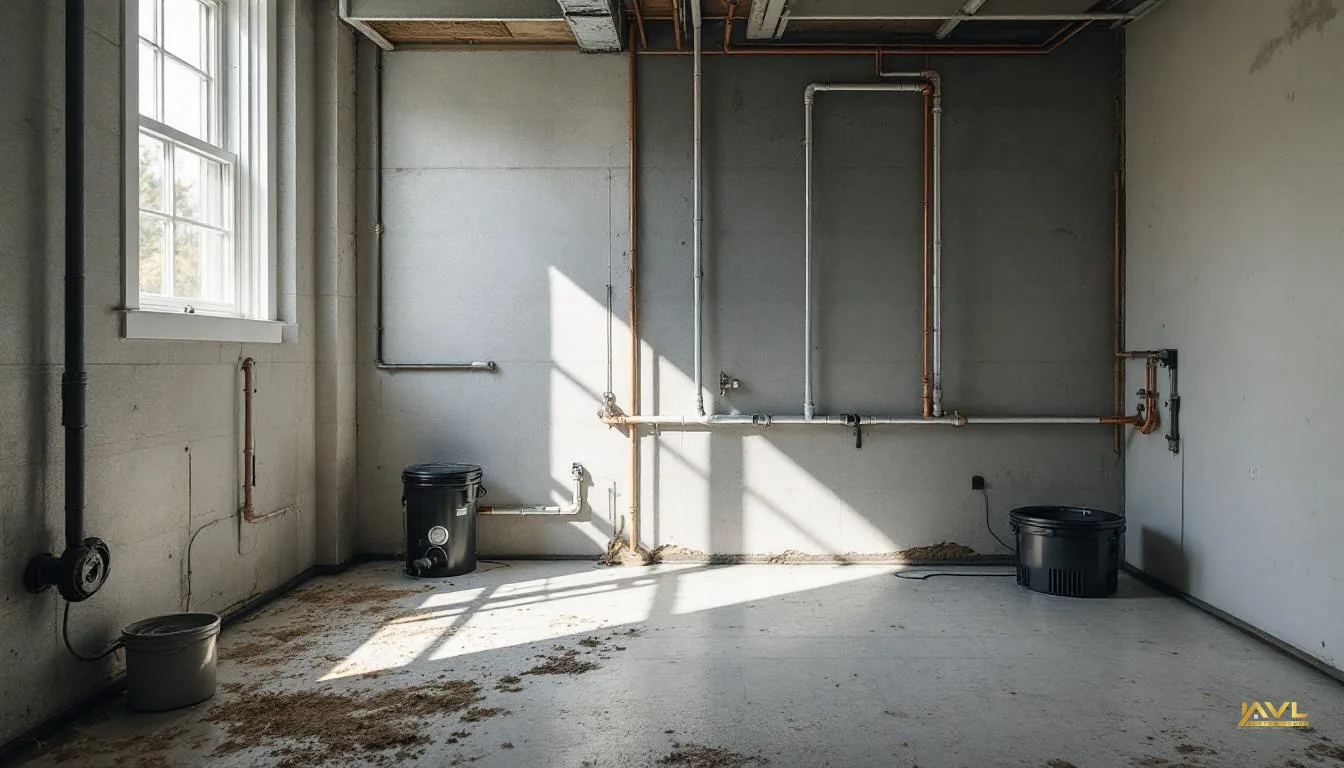
While many spring plumbing maintenance tasks are suitable for the dedicated DIY homeowner, there are critical situations where the expertise of a professional plumber is not just advisable but essential. For bungalow owners in Markham, understanding these thresholds is key to preventing minor issues from escalating into major, costly disasters. A seasoned professional brings not only specialized tools and experience but also a deep understanding of local building codes and common regional plumbing challenges, such as those caused by the freeze-thaw cycles prevalent in Ontario.When to Call in the Experts: Beyond DIY Capabilities
Certain plumbing issues demand a professional touch. If your spring inspection reveals significant concerns like persistent low water pressure throughout your home, multiple slow drains that don't respond to DIY methods, or visible leaks in inaccessible areas such as behind walls or under floors, it's time to call in a professional. Problems with your main sewer line, evidenced by sewage backing up into multiple fixtures, or a constantly running water meter when no water is being used, indicate serious underlying issues that require immediate expert intervention. Foundation cracks, especially those allowing water penetration, are also beyond the scope of typical DIY plumbing; while a plumber can help with interior water management, a structural engineer or foundation specialist might be needed for the crack itself. Furthermore, if your sump pump repeatedly fails, or if your water heater is old, leaking, or consistently providing insufficient hot water, a professional can diagnose the problem accurately and recommend the most effective, safe, and code-compliant solutions.Benefits of Professional Plumbing Maintenance and Diagnostics
Engaging a professional for spring plumbing maintenance offers significant advantages. They can perform advanced diagnostics, such as video camera inspections of sewer lines to identify blockages, cracks, or tree root intrusion that are invisible to the naked eye. This proactive approach can catch developing problems before they lead to catastrophic backups. Professionals can also conduct comprehensive pressure tests to detect hidden leaks within your system, saving you from future water damage and inflated utility bills. For bungalows, particularly those older ones in Markham, ensuring the integrity of the underground weeping tiles and connections to the city sewer system is paramount. A professional can assess the overall health of these critical components. When considering comprehensive home care, AVL Custom Homes offers Annual Home Care Packages that can include detailed plumbing inspections, ensuring your entire home is maintained to the highest standards. Their expertise goes beyond simple repairs, focusing on preventative measures that safeguard your investment.Choosing the Right Plumber in Markham
When selecting a professional plumber in Markham, look for licensed, insured, and reputable companies with a strong track record. Ask for references and read online reviews. A good plumber will provide clear, upfront estimates for services, whether it's for a drain cleaning (typically ranging from $150-$400 depending on complexity) or a more involved repair. They should also be knowledgeable about local regulations and best practices specific to Markham homes. For extensive projects or when you're looking to upgrade older plumbing systems, considering a company that offers Professional Home Maintenance can provide a holistic solution. AVL Custom Homes, for instance, understands the nuances of home systems and can seamlessly integrate plumbing maintenance into a broader home care strategy. A trustworthy plumber acts as a partner in maintaining the health of your home, ensuring your plumbing infrastructure is robust and reliable for years to come. For owners of various property types, resources such as the Toronto Spring 2026 Home Maintenance Guide: Tips for Older Detached Homes or even the 2026 Oakville Townhouse Spring Maintenance Guide can provide additional context, though your Markham bungalow has its own distinct set of priorities.FAQ: Spring Plumbing Maintenance for Markham Bungalows
How often should I have my main sewer line inspected?
For most bungalows, a professional sewer line inspection every 3-5 years is recommended, especially if you have mature trees in your yard or have experienced slow drains or backups in the past. If you have an older home, more frequent inspections might be prudent.What are the signs of a failing weeping tile system?
Common signs include recurrent basement flooding, persistent musty odours, efflorescence (white mineral deposits) on basement walls, and noticeable dampness or mould growth at the base of your foundation walls. These often become more pronounced during heavy spring rains.Can I use chemical drain cleaners for stubborn clogs?
While chemical drain cleaners can offer a quick fix, they are often harsh and can corrode pipes over time, particularly older ones common in Markham bungalows. It's generally better to use enzymatic cleaners, a plumbing snake, or call a professional for persistent clogs to avoid pipe damage.Is annual backflow preventer testing required in Markham?
Yes, backflow preventers on irrigation systems and other cross-connections are typically required to be tested annually by a certified professional in Markham to ensure they are functioning correctly and protecting the municipal water supply from contamination.What's the best way to prepare my plumbing for next winter after spring maintenance?
After spring maintenance, ensure you drain and shut off all outdoor faucets before the first frost, insulate exposed pipes in unheated areas (like basements or crawl spaces), and maintain a consistent indoor temperature, even if you’re away, to prevent pipes from freezing and bursting. Regular eavestrough cleaning in the fall is also crucial to prevent ice damming.
Written by Ali Vaez
General Manager, AVL Custom Homes Inc.
Bringing over 20 years of global construction experience and more than a decade of dedicated service to Richmond Hill and the Greater Toronto Area.
Published: 2026-04-29 · 16 min read · 3,150 words
AVL Custom Homes provides expert home services across Markham and the Greater Toronto Area.
Contact us today — we serve Markham and surrounding communities.