
Oakville Summer Home Maintenance Checklist 2026: Tips for Bungalow Owners
The frost line in Oakville sits at approximately 1.2 meters, which is a fact that should dictate how you treat your foundation perimeter every summer. If you own a detached home built between 1950 and 1970, your concrete foundation is likely porous, and your weeping tiles are nearing the end of their design life. Ignoring the exterior envelope during the dry months is a recipe for a flooded basement come October. You are not just cleaning gutters; you are managing the structural health of your largest asset.
Effective Annual Home Maintenance Plans often reveal that the most common failure points in Oakville bungalows are not the roof shingles, but the grading around the slab and the condition of the window wells. If your grade has settled more than two inches toward the foundation wall over the last decade, you have a negative slope. Correcting this requires importing topsoil and compacting it in lifts, not just dumping a bag of mulch over the top.
Executing Oakville summer bungalow maintenance for longevity
The primary objective of Oakville summer bungalow maintenance is moisture control. During the peak of summer, humidity levels in the GTA frequently exceed 70%. If your basement is finished, you are likely running a dehumidifier. If that unit is pulling more than 15 liters of water per day, you have a breach in your building envelope or a failed sump pump check valve. Check your sump pit. It should be clean of debris, and the discharge pipe should terminate at least six feet away from the foundation wall, ideally directed toward a storm sewer connection or a dry well.
The secondary objective is the roof-to-wall interface. Most bungalows in neighborhoods like Old Oakville or Bronte feature minimal roof overhangs. This exposes the top plate and the wall assembly to excessive splash-back from heavy summer thunderstorms. Inspect your flashing. If the step flashing is rusted or if the caulking at the transition between the brick veneer and the roof deck has pulled away, water is getting behind your cladding. This is a slow-motion disaster that leads to localized rot in the wall studs.
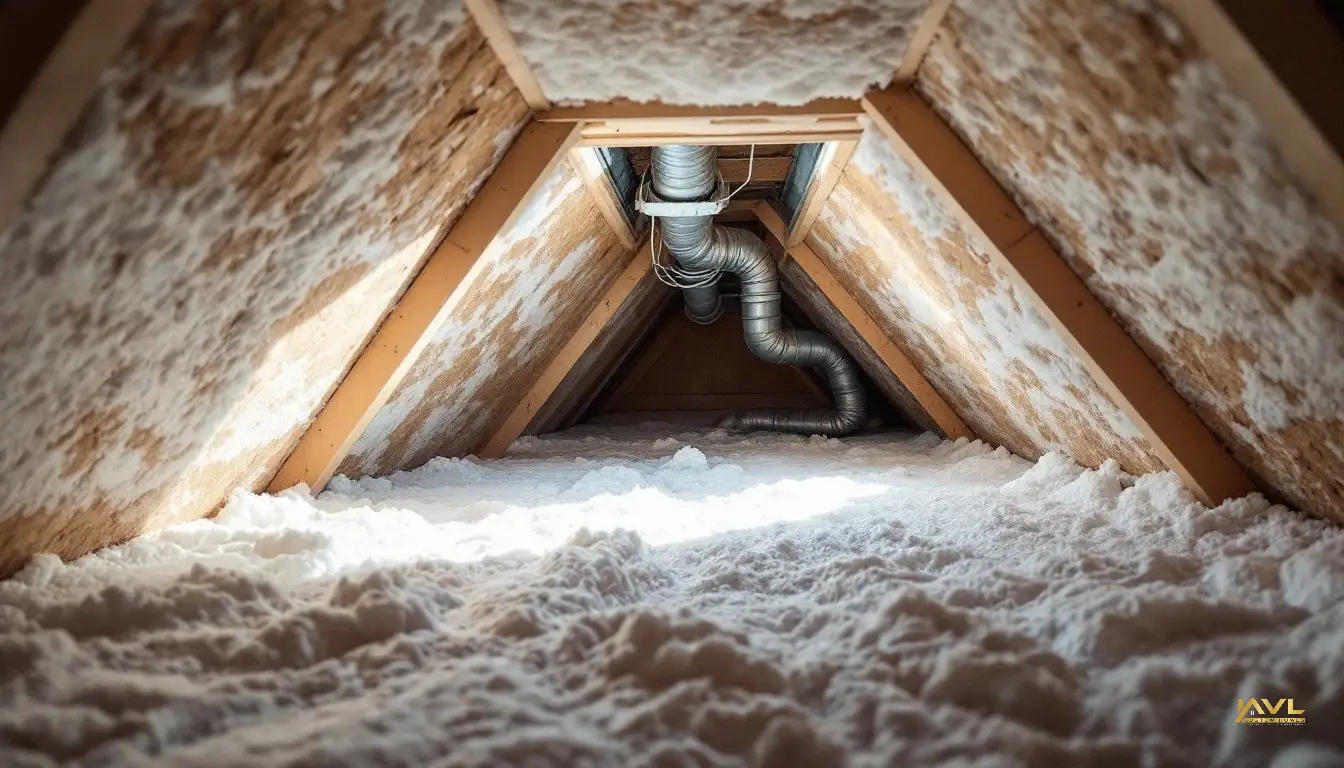
For those looking to outsource these tasks, our Professional Home Maintenance team often finds that homeowners ignore the soffit ventilation until it is too late. If your attic is not venting properly, the heat buildup in July will bake your shingles from the underside, shortening their lifespan by five to seven years. Ensure your intake vents are not blocked by attic insulation that has shifted over time.
The reality of HVAC and the OBC 9.36 requirements
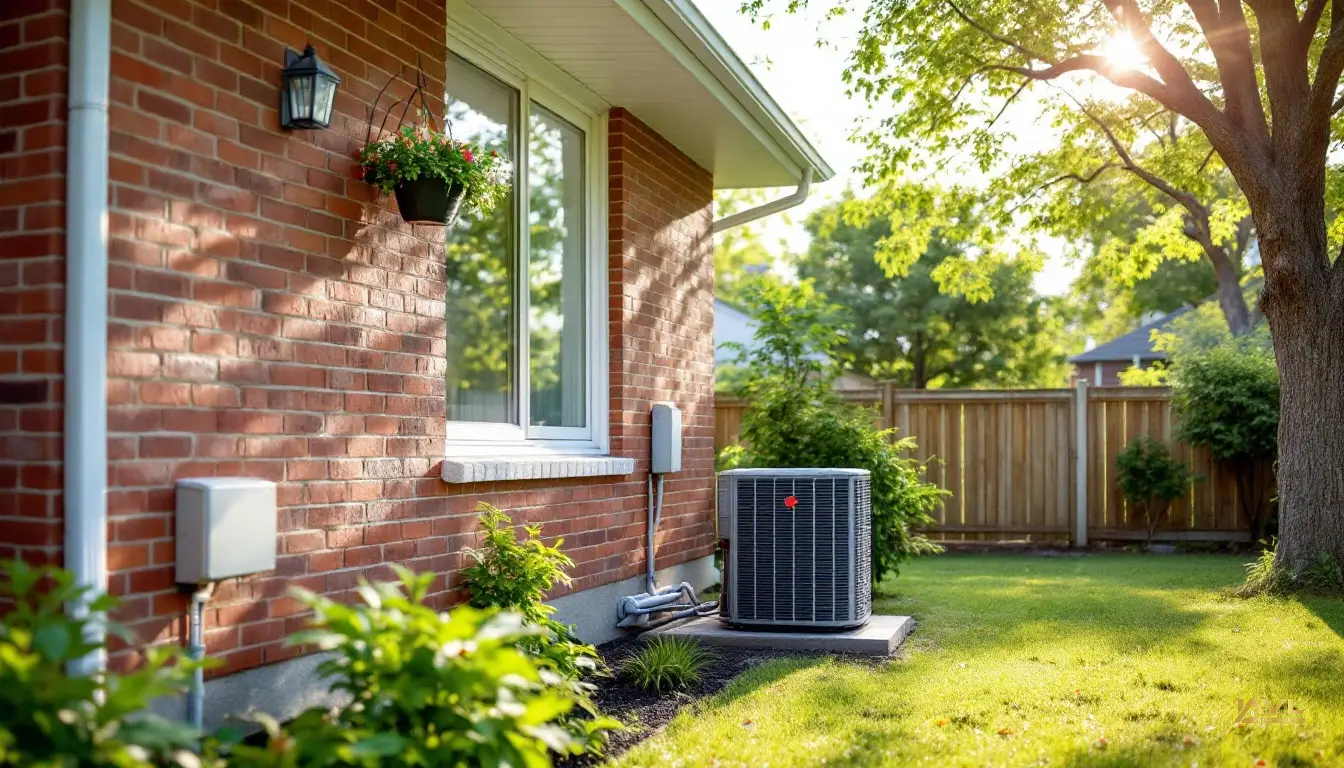
Modernizing your bungalow’s climate control is often a balancing act between comfort and the OBC 9.36 energy efficiency standards. Even if you aren't doing a full gut renovation, the way you maintain your mechanical systems matters. If you are running an original furnace or a central AC unit that is over 15 years old, you are likely overpaying for cooling. A standard 2.5-ton AC unit in a bungalow should be serviced annually to ensure the coils are free of cottonwood debris and dust. If the delta-T—the temperature difference between the supply and return air—is less than 15 degrees Fahrenheit, your refrigerant charge is likely low.
Do not wait for a heatwave to find out your capacitor has failed. These components are cheap, often under $50, but the call-out fee for an emergency HVAC visit in August can easily exceed $300. It is a simple trade practice to pull the disconnect, inspect the contactor for pitting, and wipe down the condenser fins with a soft brush. Never use a high-pressure washer on your coils; you will fold the aluminum fins and permanently restrict airflow, which is the fastest way to burn out a compressor.
While you are inspecting the mechanicals, check the dryer vent. In many older Oakville detached homes, the dryer vents through the side wall near the ground. Over time, lint accumulates in the pipe, creating a fire hazard and a breeding ground for pests. Use a vacuum to clear the run, and replace the exterior hood if the flaps are stuck open. A stuck flap is a perfect entry point for mice looking for a cool place to nest in the summer.
Managing site drainage and the TRCA setback
If your property is anywhere near the Sixteen Mile Creek or any designated ravine, you are likely subject to TRCA setback requirements. This means you cannot simply regrade your yard or install a retaining wall without consulting the local authorities. Many homeowners assume that because they own the land, they can adjust the topography. In reality, altering the flow of water on a lot that drains into a protected watershed can lead to significant fines. Always check your survey before you start moving earth.
When you are managing the perimeter, look at your downspout extensions. If they are dumping water onto a patio or a walkway, you are creating a slip hazard and inviting water into the basement. Use rigid PVC or aluminum extensions that carry the water at least 10 feet away from the structure. If you are in an area with heavy clay soil—common in parts of Oakville—the water will not soak in; it will sit on the surface, creating a "bathtub effect" around your foundation walls.
This is also the time to address your window wells. If you have older steel wells, they may be rusting through at the base. Replace them with corrugated galvanized steel or heavy-duty plastic units. Ensure they are bolted securely to the foundation wall and that you have a layer of clear-stone gravel at the bottom to facilitate drainage. If the gravel is clogged with dirt, the well will fill with water during a storm and eventually leak through the window seal.
Interior systems and the small-scale maintenance cycle
The interior of a bungalow is often neglected in favor of exterior curb appeal, but the plumbing systems require attention during the summer months. If you have a floor drain in your basement, ensure the trap is primed. Over the summer, the water in the trap can evaporate, allowing sewer gas to enter your home. Pour a liter of water into the floor drain once a month. It is a simple task that prevents a foul-smelling home.
Check your plumbing shut-off valves under the kitchen and bathroom sinks. If they haven't been turned in ten years, they are likely seized. Give them a quarter-turn to ensure they are functional. If they are leaking, replace them with quarter-turn ball valves. While you are at it, check the flexible supply lines. If they are braided plastic or have signs of corrosion at the fittings, replace them with stainless steel braided lines. A burst supply line while you are away on a summer vacation will cause tens of thousands of dollars in water damage.
Finally, inspect your smoke and carbon monoxide detectors. The heat of summer can sometimes cause false alarms if the units are old or dusty. Vacuum the sensors and press the test button. If the battery is more than six months old, swap it out. It is a minor inconvenience that keeps your family safe and keeps your home insurance valid.
Frequently Asked Questions
How often should I clean the gutters on my detached home?
You should aim for at least twice a year, but in a tree-heavy neighborhood like Oakville, three times is better. Clean them once in late spring to remove maple seeds and again in late summer before the autumn leaf drop. Clogged gutters lead to water overflow, which is the primary cause of basement leaks in older bungalows.
Is it normal for my basement to feel damp in the summer?
It is common, but it is not ideal. A damp basement in an Oakville bungalow usually indicates that your dehumidification strategy is insufficient or that you have an envelope breach. Aim to keep your relative humidity between 40% and 50%. Anything higher encourages mold growth on wooden joists and stored items.
Can I perform my own grading work around the foundation?
You can, provided you are not impacting your neighbor's drainage or violating local bylaws. Use clean fill, not topsoil, for the base layers and compact it well. The final two inches should be topsoil for grass. Always slope the ground away from the house at a minimum of 1:20 for the first three meters.
What should I look for when inspecting my roof shingles?
Look for curling edges, missing granules, or shingles that have become brittle. In the summer sun, these issues become more apparent. If you see black streaks, that is likely algae, which is common in humid environments but doesn't necessarily mean the roof is failing. Focus your inspection on the flashing around the chimney and vents.
How do I know if my sump pump is reliable?
Test it by manually pouring a bucket of water into the pit until the float switch triggers the pump. If it struggles to start or makes a grinding noise, replace it immediately. Never rely on an old, untested pump to protect your basement during a major summer storm. Keep a battery-operated backup system if you are in a flood-prone area.
Maintaining a detached home in Oakville is a continuous process of observation and minor intervention. By staying ahead of the moisture and mechanical wear, you protect your property value and ensure your home remains a comfortable place to live. If you find that the maintenance requirements of your bungalow are exceeding your capacity, consider reaching out for a professional assessment. A small investment in proactive care today prevents a massive bill tomorrow.
For further reading, see the Vaughan Bungalow Summer Maintenance Checklist 2026 or review our 2026 Oakville Townhouse Spring Maintenance Guide to see how your property compares to other local housing stock. If you have specific plumbing concerns, the Markham Bungalow Spring Plumbing Maintenance Checklist 2026 offers additional insights into managing older water systems.

Written by Ali Vaez
Founder & Principal Builder, AVL Custom Homes Inc.
Structural engineer with a BSc and MSc in Civil Engineering. Over 20 years of global construction experience, GTA operations since 2014.
Published: 2026-07-09 · 10 min read · 1,845 words
Ready to talk about your project?
AVL Custom Homes serves Oakville and the Greater Toronto Area — custom builds, renovations, and builder-led home maintenance.
Request a ConsultationOr call 647-466-6989
