
Vaughan Bungalow Summer Maintenance Checklist 2026
Summer is here, and your Vaughan bungalow summer maintenance keeps things cool
Vaughan's clay soil, known geologically as the Halton Till, shrinks by up to 35% during dry July heatwaves, pulling away from concrete foundation walls and creating direct pathways for sudden August storm run-off. This soil contraction creates a visible gap between the dry earth and your foundation. When the summer storms hit, water pours straight down this gap. Bungalows have massive footprints. Every square foot of living space requires double the roof and foundation area of a standard two-story home. That is a lot of concrete to watch. If you do not manage this water sequencing early, the next thunderstorm will flood your basement.Our professional Professional Home Maintenance team uses Annual Home Maintenance Plans starting from just $119/month to spot these micro-fissures before they become five-figure disasters. A foundation repair in Vaughan after clay-induced settlement averages $12,500 to $28,000 depending on the number of push piers required. We use builder-led preventive oversight to catch these shifts before the autumn freeze locks them in.
Gutters and Downspouts: The Unsung Heroes of Summer Maintenance
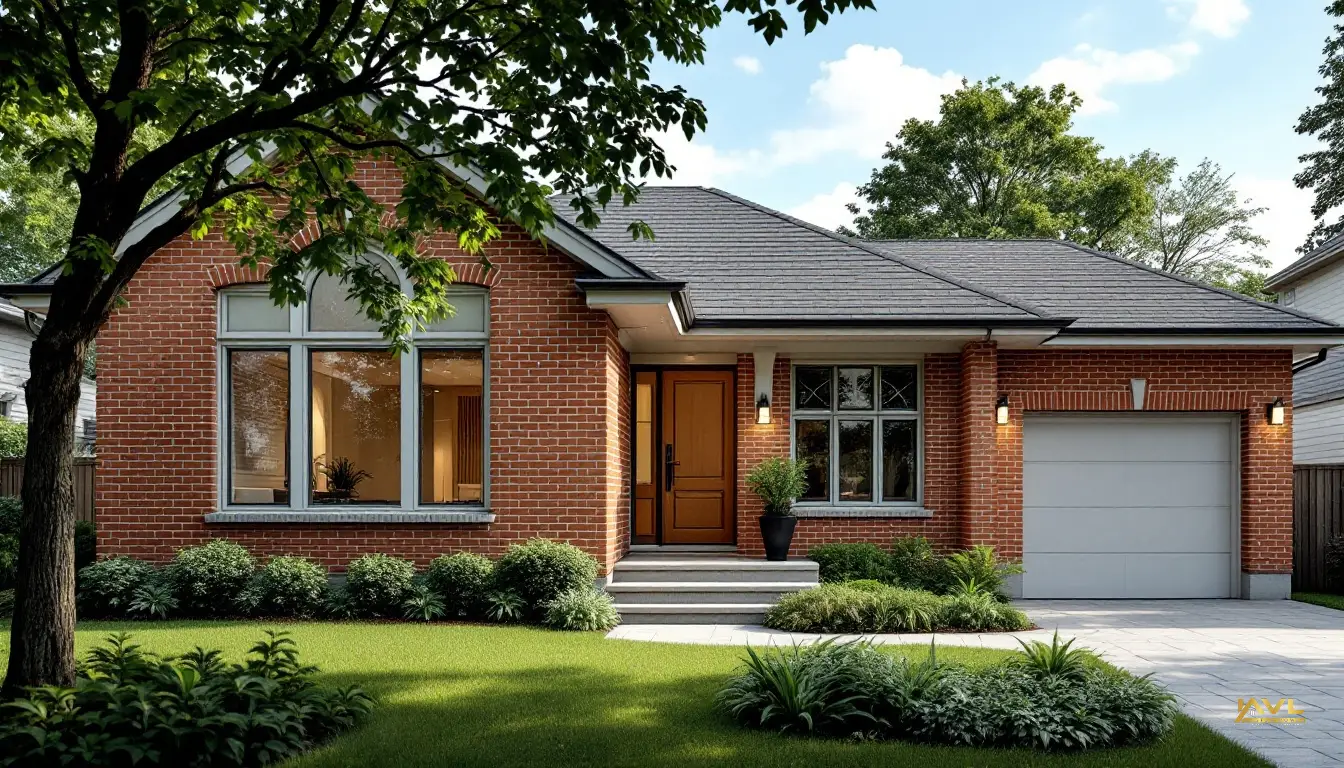
A single mature maple tree can drop over 400 pounds of organic debris, seeds, and pollen onto a low-slung bungalow roof in a single spring season. This debris migrates directly into your gutters. Bungalows have low eaves, making gutter cleaning physically accessible but also highly susceptible to splash-back damage on the brick veneer or siding. Downspout extensions must discharge water at least six feet away from the foundation. In Vaughan, clay soil holds water like a bowl, so discharging too close to the wall is a recipe for hydrostatic pressure buildup. Cleaning and realigning 150 linear feet of seamless aluminum gutters typically takes a two-man crew three hours and costs about $350 to $500, whereas replacing water-damaged wood fascia boards runs upwards of $1,800. If your bungalow sits close to the Humber River, check your TRCA setback lines before installing permanent French drains or dry wells to handle this runoff.Beating the Heat: Tips for Efficient HVAC and Cooling Systems in Your Bungalow
Single-story homes built in Vaughan during the 1970s and 1980s often suffer from a 40% loss in cooling efficiency due to uninsulated ductwork running through blazing-hot attic spaces. Attic temperatures can reach 60°C on a 30°C July afternoon. If your ductwork is not sealed and insulated to modern standards, your air conditioner works twice as hard. Your AC is fighting a losing battle. Hot attic air bakes the sheet metal ducts. Cold air warms up before it ever reaches your living room register. This spikes your hydro bills and burns out your compressor years ahead of schedule. Replacing an aged 2.5-ton central air conditioning unit in York Region currently ranges from $4,800 to $7,500, with high-efficiency heat pumps pushing past $9,000 before federal rebates. While we outlined attic ventilation strategies in our Summer 2026 Roof Maintenance Guide for North York Homeowners, the flat layout of a Vaughan bungalow presents unique duct run challenges. We run thermal imaging diagnostics to pinpoint exactly where your cool air is escaping.
Outdoor Living: Deck and Patio Maintenance to Enhance Your Summer Experience
Wood decks in Southern Ontario lose up to 1.5 millimetres of surface thickness annually to UV degradation and winter freeze-thaw cycles if left unsealed. Bungalows typically feature low-to-grade decks. These decks have minimal ventilation underneath, which traps moisture and causes rapid joist rot. Low-to-grade decks are silent killers. Soil moisture rises constantly. With only a few inches of clearance, that moisture has nowhere to go. It soaks into your pressure-treated framing. Within ten years, the joists turn to structural mush. A complete deck rebuild for a standard 12x16 foot outdoor space in Vaughan now averages $15,000 to $22,000 for composite materials, making a $600 preventative wash-and-seal treatment every two years an obvious financial win. Our WSIB-compliant crews handle this dirty work so you do not have to spend your July weekends scrubbing pressure-treated wood.Staying Safe and Dry: Foundation and Roof Maintenance for Vaughan Bungalows
Over 65% of basement dampness issues in Vaughan's Woodbridge and Maple neighbourhoods stem directly from reverse-slope grading where the lawn has settled toward the foundation over decades. Walk your perimeter. Grab a level. The ground must slope away from your brickwork at a rate of one inch per foot for the first six feet. If it does not, you are actively steering water into your basement. This water sits against your foundation wall, soaking through the concrete envelope and ruining your finished basement drywall. Expect to pay between $2,200 and $4,500 for professional grading correction around a standard 1,200-square-foot bungalow footprint. For those managing older properties, referencing our guide on Markham Bungalow Spring Plumbing Maintenance Checklist 2026 provides a solid foundation for interior pipe safety, but exterior grading is your first line of defense. If you need a more extensive roof overhaul, our team can coordinate with your permit path and CoA requirements if you live in a heritage pocket of Kleinburg.
Vaughan Bungalow Summer Maintenance FAQ
Why does Vaughan's clay soil affect my bungalow's foundation more in the summer?
Vaughan's heavy clay soil shrinks significantly when it dries out during hot summer months. This shrinkage creates gaps along your bungalow's foundation walls, allowing late-summer storm runoff to bypass the upper soil layer and pool directly against your basement footings, leading to leaks and structural settlement.
How often should I clean the gutters on my Vaughan bungalow?
You should clean your gutters at least twice a year, but a summer check is critical. Bungalows have low eaves that are highly susceptible to clogging from spring maple keys and pollen, which can cause water to overflow and damage your low-level siding and foundation grading.
What is the ideal attic ventilation setup for a single-story bungalow in Vaughan?
Your bungalow attic should have a balanced system of soffit vents for intake and ridge or roof vents for exhaust. Under Ontario Building Code (OBC) guidelines, you need at least 1 square foot of unobstructed vent area for every 300 square feet of attic floor space to prevent heat buildup from cooking your shingles.
Can I build a low-to-grade deck on my Vaughan bungalow without a permit?
In Vaughan, you do not need a building permit if your deck is under 10 square metres (approx. 108 sq. ft.) and is not attached to the house. However, because bungalow decks are usually low-to-grade, you must still comply with local zoning bylaws regarding setbacks and ensure adequate under-deck ventilation to prevent joist rot.
Why is my bungalow's basement damp during dry summer months?
This is usually caused by condensation, not active leaks. Warm, humid summer air enters your cool basement through windows or vents and condenses on the cold concrete walls. Running a dehumidifier to keep relative humidity below 50% is the most effective way to dry out a bungalow basement in July and August.

Written by Ali Vaez
Founder & Principal Builder, AVL Custom Homes Inc.
Structural engineer with a BSc and MSc in Civil Engineering. Over 20 years of global construction experience, GTA operations since 2014.
Published: 2026-06-27 · 10 min read · 1,889 words
Ready to talk about your project?
AVL Custom Homes serves Vaughan and the Greater Toronto Area — custom builds, renovations, and builder-led home maintenance.
Request a ConsultationOr call 647-466-6989
