
Vaughan Summer 2026 Plumbing Guide: Tips for Detached Homeowners
Why Detached Homes See More Summer Plumbing Stress
Walk through Kleinburg, Woodbridge, or the older Maple streets in June and you will hear the same sounds: sprinklers clicking on, hose bibs dripping onto interlock, and sump pumps cycling after an afternoon storm. Vaughan's detached stock—often 1980s through early-2000s builds on clay-heavy soil—was not designed for today's irrigation habits and finished basements.
Unlike a semi-detached layout, you carry the full perimeter: four foundation walls, your own downspout routing, and your own lateral service line. A leak that starts at a frost-free bib can run unnoticed along the foundation for weeks. By August, that shows up as a musty basement corner or a water bill that makes no sense. We have seen a single ignored hose-bib drip contribute to a $12,000 finished-basement remediation—not because the pipe burst, but because moisture sat against the wall long enough for mold to take hold.
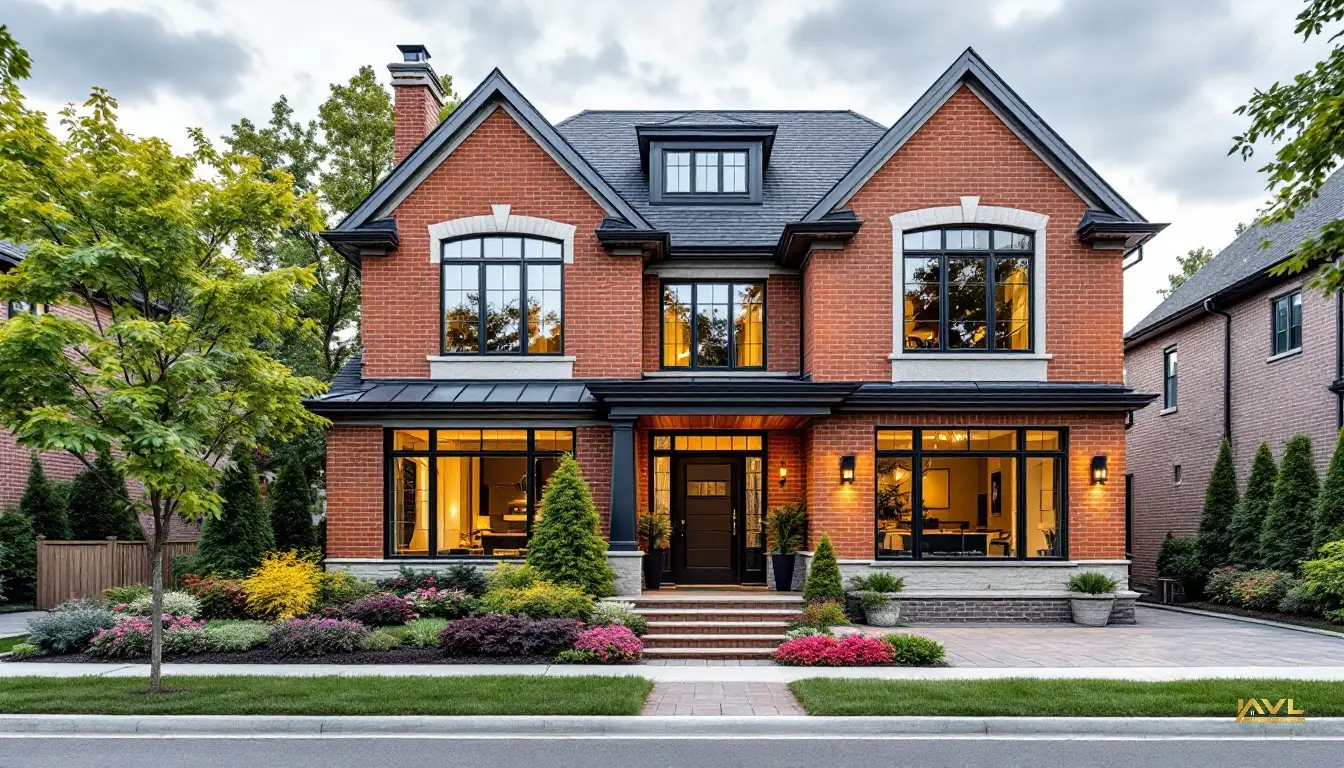
Outdoor Hoses, Bibbs, and Irrigation
Start where the water leaves the house. Open each hose bib, attach a hose, and close the valve. If you still hear ticking or see moisture at the stem packing, replace the washer or the entire bib before you leave for a weekend. Frost-free models fail quietly at the vacuum breaker or the stem—"it only drips a little" is how finished basements get expensive.
If you run irrigation, pressurize each zone and watch the foundation line, not just the lawn. A cracked lateral under a shrub bed can move hundreds of litres toward your footing over a month. In Vaughan's clay soils that hydrostatic pressure shows up first as a sump pump that never shuts off, then as seepage at the cold joint.
Disconnect hoses when you are done for the day during heat waves. A connected hose can trap water against a frost-free stem and prevent it from draining—small detail, but we flag it on nearly every summer maintenance walk-through.
Pressure, Supply Lines, and Shut-Offs
Buy a simple gauge and thread it onto an outdoor bib. With interior fixtures off, read the pressure. Sustained readings above 80 psi stress mixing valves, supply hoses, and older copper joints. If you are high, a plumber can set or replace a pressure-reducing valve near the meter—cheaper than replacing a failed main shut-off after it seizes.
While you are at it, locate the main shut-off and the meter valve. Exercise them gently once a year. We have arrived at emergency calls where the homeowner knew there was a leak but could not stop water because the valve had not moved in fifteen years.
Peek under kitchen and ensuite sinks. Flexible braided supplies older than ten years should be replaced on a schedule, not on luck. Bulges, green corrosion on copper, or stiff plastic lines are all replace-now signals. For broader seasonal checks that protect the whole building envelope, see our Richmond Hill summer maintenance guide—many drainage principles apply across the GTA.
Drains, Sump Pumps, and Storm Readiness
Pour a bucket of water into each basement floor drain. It should disappear quickly. A drain that gurgles before a storm is telling you the line is partially blocked—roots, grease, or a belly in the pipe. This is the wrong week to reach for caustic drain cleaner; schedule a snake or camera instead.
Fill the sump pit until the float trips. Listen for the check valve thump and confirm discharge runs well away from the foundation. If you rely on a battery backup, test it under load; July storms and grid blips arrive together in Vaughan. A backup that fails once is not a backup.
Run the food-colour test on toilets—one drop in the tank, no flush for twenty minutes. A silent leak into the bowl wastes water all summer and can mask a larger issue upstream. For whole-home oversight, our Annual Home Maintenance Plan and Professional Home Maintenance programs bundle plumbing checks with the rest of the asset protection plan.
Your Summer Plumbing Checklist
- Exterior: Test every hose bib; fix drips; walk irrigation zones for foundation pooling.
- Pressure: Gauge supply at the bib; service PRV if readings run high.
- Drains: Flush floor drains; address slow fixtures before storm season.
- Sump: Cycle test pump and battery backup; clear discharge path.
- Interior: Inspect under sinks; replace aged flex lines; dye-test toilets.
- Records: Note dates and photos—insurers and buyers notice when maintenance is documented.
Most detached owners we work with in Vaughan budget $250–$700 for professional summer plumbing checks, excluding repairs. That is a fraction of one emergency visit or one insurance deductible on a water claim.
Frequently Asked Questions
What summer plumbing problems show up most on Vaughan detached homes?
We see the same patterns every July: dripping hose bibs, slow floor drains, sump pumps that fail during the first thunderstorm, and main lines backing up after spring root growth. On a detached home you own all four sides of the service—there is no shared wall to hide a slow leak.
How do I check water pressure without damaging fixtures?
Screw a gauge onto an outdoor hose bib, shut off other fixtures, and read the dial. Most Vaughan municipal supplies sit between 40 and 80 psi. Hold above 80 psi for days and you may need a pressure-reducing valve; persistently low pressure often traces to a partially closed main valve.
Are chemical drain cleaners safe for older Vaughan plumbing?
We do not recommend them on mature lines—especially cast iron or galvanized pipe still common in 1980s and 1990s Woodbridge and Maple stock. Mechanical snaking or a camera inspection finds the real blockage without eating through pipe walls.
When is a summer plumbing issue an emergency?
Treat active sewage backup, no water at all, a burst line, or water pooling near electrical panels as emergencies. Shut the main valve if you can do so safely, stop using fixtures, and call a licensed plumber rather than waiting for a long-weekend discount.
Can AVL Custom Homes help with preventative plumbing checks?
Yes. Our Annual Home Maintenance Plan and professional maintenance programs include whole-home inspections—plumbing included—so detached owners get builder-led oversight instead of reacting after a finished basement is already wet.

Written by Ali Vaez
Founder & Principal Builder, AVL Custom Homes Inc.
BSc and MSc in Civil Engineering (Structural Engineering). Building since 2004 (outside Canada), serving the GTA since 2014, 17+ homes delivered.
Published: 2026-06-10 · 13 min read · 2,480 words
