
Oakville Fall Basement Waterproofing Checklist for Older Detached Homes
Preparing your older Oakville detached home's basement for winter involves a fall waterproofing checklist. Addressing grading, eavestroughs, and foundation cracks now can prevent costly leaks, ice damming, and significant structural issues when the spring thaw arrives in Oakville.
Fall is the time to prepare your older Oakville detached home for the winter's challenges and the inevitable spring thaw, preventing significant water damage. The freeze-thaw cycles common in Ontario can expand minor foundation cracks into major issues. Neglecting exterior water management now often leads to costly basement flooding when the snow melts. Proactive measures are less expensive than emergency repairs.
Why Fall Preparation Matters for Your Older Oakville Home
Spring thaw in Ontario causes a massive spike in basement flooding calls, primarily due to unmaintained grading and failed weeping tiles. Addressing these vulnerabilities in the fall, before the ground freezes, can save your older Oakville detached home from extensive water damage and expensive remediation efforts. A proactive approach to your home's exterior envelope is always more cost-effective.
Why Fall is Critical for Oakville Basement Waterproofing
Fall offers the last practical window to inspect and address potential water entry points in your older Oakville detached home before winter conditions make repairs difficult or impossible. The ground is typically still workable, and the weather allows for exterior work on grading, eavestroughs, and foundation repairs. Once temperatures drop and the ground freezes, existing vulnerabilities will worsen from ice formation. This is critical when the spring thaw arrives, as it often causes significant hydrostatic pressure against your foundation and overwhelms compromised drainage systems.
Preventing a basement flood costs less than repairing water damage, replacing belongings, and mitigating mold growth. Ignoring minor foundation cracks until winter freeze-thaw cycles expand them is a common mistake that can lead to major structural damage. Similarly, forgetting to clear eavestroughs will lead to ice damming in January, potentially forcing water back against your roof and exterior walls.
Exterior Checklist: Managing Water Before It Reaches Your Foundation
Effective exterior water management around your older Oakville detached home is the first line of defense against basement leaks and foundation damage. It directs rainwater and snowmelt away from your foundation.
Proper Grading Around Your Home
Your property's grading should slope away from your foundation at a minimum of 6 inches over the first 10 feet. Many older homes in Old Oakville have settled, or landscaping changes have created negative grading. This allows water to pool near the foundation, saturating the soil and increasing hydrostatic pressure on your basement walls. Regrading can involve adding compacted soil around the perimeter. This is a basic but often overlooked step.
Eavestroughs and Downspouts
Clear your eavestroughs of leaves and debris. Clogged eavestroughs overflow, dumping water directly onto your foundation or causing ice dams in winter. Extend downspouts at least 6 feet away from the foundation, preferably onto splash pads or into underground drainage systems that discharge far from the house. Ensure downspouts are securely fastened and free of leaks. This simple maintenance step is often forgotten and leads to significant issues.
Window Wells
Clean out any debris from your basement window wells. Ensure they have proper drainage, either through a connection to the weeping tile system or a gravel base that allows water to percolate away. If water consistently collects in your window wells, it will eventually find a way into your basement. Consider installing covers to keep debris and excessive water out.
Landscaping and Hardscaping
Avoid dense shrubbery or garden beds directly against your foundation, as they can retain moisture. Ensure patios, walkways, and driveways also slope away from the house. Cracks in concrete surfaces near the foundation can channel water directly to your basement walls.
Inspecting Your Foundation for Vulnerabilities
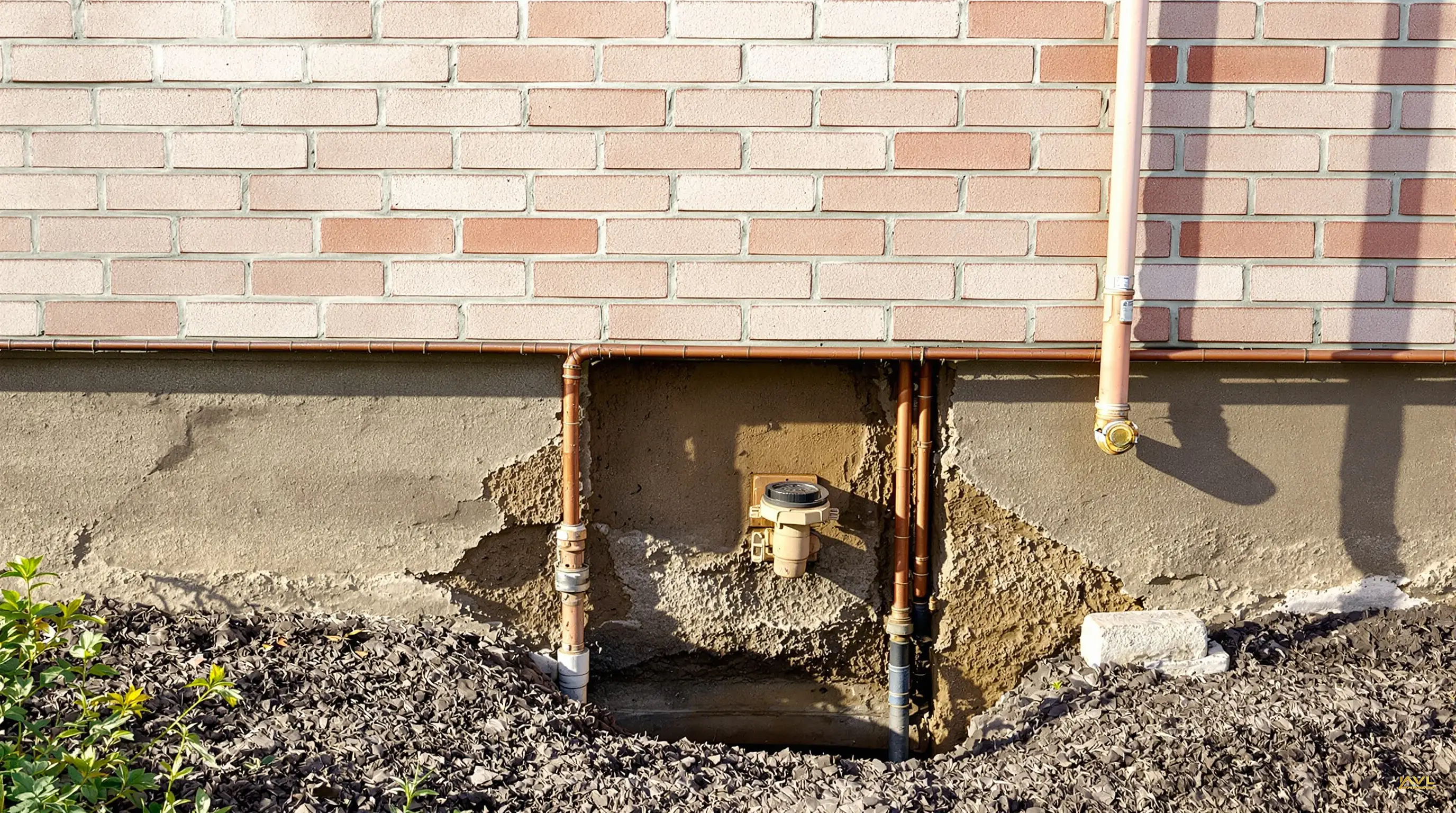
A thorough visual inspection of your older Oakville home's foundation can reveal potential entry points for water before they become serious issues. Walk around your home's perimeter and examine the foundation walls closely.
Foundation Cracks
Look for any cracks in the concrete or masonry. Hairline cracks might be cosmetic, but horizontal cracks, stair-step cracks in masonry, or cracks wider than 1/8 inch can indicate structural movement or significant water entry points. Pay attention to cracks that appear to widen or lengthen over time. Even small cracks can allow water to seep in, especially under hydrostatic pressure.
Parging Condition
Parging is the thin coat of cementitious material applied to the visible portion of your foundation above grade. It protects the underlying concrete or block from weathering. Cracked, spalling, or missing parging does not directly cause leaks into your basement, but it can indicate moisture issues behind it or expose the foundation to further deterioration. It also allows water to get behind the parging, which can lead to freeze-thaw damage.
Signs of Settlement
Uneven settlement can lead to larger, more significant cracks. Look for doors and windows that stick, sloped floors, or misaligned trim inside your home, which might suggest foundation movement. These issues would require a more in-depth assessment, potentially involving a licensed P.Eng.
| Repair Type | Typical Cost Range (CAD) |
|---|---|
| Non-Structural Crack Repair | $500 - $2,000 per crack |
| Parging Repair | $500 - $2,000 (small to medium areas) |
| Sump Pump Replacement/Upgrade | $800 - $2,500 |
| Structural Crack Repair | $5,000 - $20,000+ |
Understanding Weeping Tiles and Sump Pumps in Older Oakville Homes
The weeping tile system and sump pump are critical components for managing subsurface water and protecting your older Oakville basement from hydrostatic pressure. In older homes, these systems may be absent, degraded, or improperly maintained.
Weeping Tile System
Weeping tiles are perforated pipes installed around the exterior perimeter of your foundation, typically at the footing level. Their purpose is to collect groundwater and direct it away from the foundation to a sump pit or municipal storm sewer. In older Oakville homes, these tiles may be made of clay and are prone to cracking, collapsing, or becoming clogged with silt and tree roots over decades. A compromised weeping tile system means water will accumulate around your foundation, increasing hydrostatic pressure against your basement walls and slab.
Sump Pump Function and Maintenance
A sump pump is installed in a sump pit in your basement floor. It collects water from the weeping tile system (if connected) or from general groundwater seepage and pumps it out and away from your home. This is a crucial component in preventing basement flooding.
Annual HVAC servicing is a minor cost compared to emergency winter replacements, and the same principle applies to sump pumps. You should test your sump pump annually by pouring a bucket of water into the pit to ensure it activates. Check that the discharge pipe is clear and directs water away from your foundation. Consider a battery backup sump pump. Sump pump upgrades are small investments that prevent catastrophic basement flooding, especially during power outages or heavy rainfall. Ensure your discharge line is clear of debris and ice in winter.
The Cost of Prevention vs. Repair
A proactive approach to basement waterproofing can save tens of thousands of dollars. Cleaning eavestroughs costs under $200. Sump pump replacement ranges from $800 to $2,500, including installation. Minor crack injections can be $500 to $2,000. Full exterior waterproofing for an older Oakville detached home, however, typically ranges from $20,000 to $50,000 or more, depending on foundation depth, access, and landscaping. These are significant investments, but they are often less than the cost of a major flood and subsequent mold remediation.
Interior Leak Indicators and What They Mean
Recognizing early signs of basement leaks inside your older Oakville home allows for timely intervention, preventing more extensive and costly damage. Don't ignore these subtle clues.
Water Stains and Discoloration
Look for water stains on basement walls, floors, or ceiling tiles. Even faint discoloration can indicate past or ongoing water intrusion. Pay attention to corners, along the base of walls, and around windows.
Efflorescence
This is a white, powdery, crystalline deposit on masonry surfaces. It forms when water seeps through concrete or brick, dissolves mineral salts, and then evaporates, leaving the salts behind. Efflorescence is a clear sign that moisture is penetrating your foundation walls.
Musty Odors and Mold Growth
A persistent musty smell in your basement is often the first indicator of hidden moisture problems and potential mold growth. Mold requires moisture to thrive, so its presence points directly to a leak or high humidity. Visible mold, typically black, green, or white patches, requires immediate attention.
High Humidity Levels
If your basement feels damp or humid, even with a dehumidifier running, it could be a sign of moisture infiltration. Consistently high humidity can lead to condensation on cold surfaces, contributing to mold and mildew.
Interior Foundation Cracks
While exterior cracks are important, observe any cracks visible on the interior side of your basement walls. These can be the source of direct water entry, especially during heavy rains or spring thaws.
Addressing Foundation Cracks: Repair Options and Costs
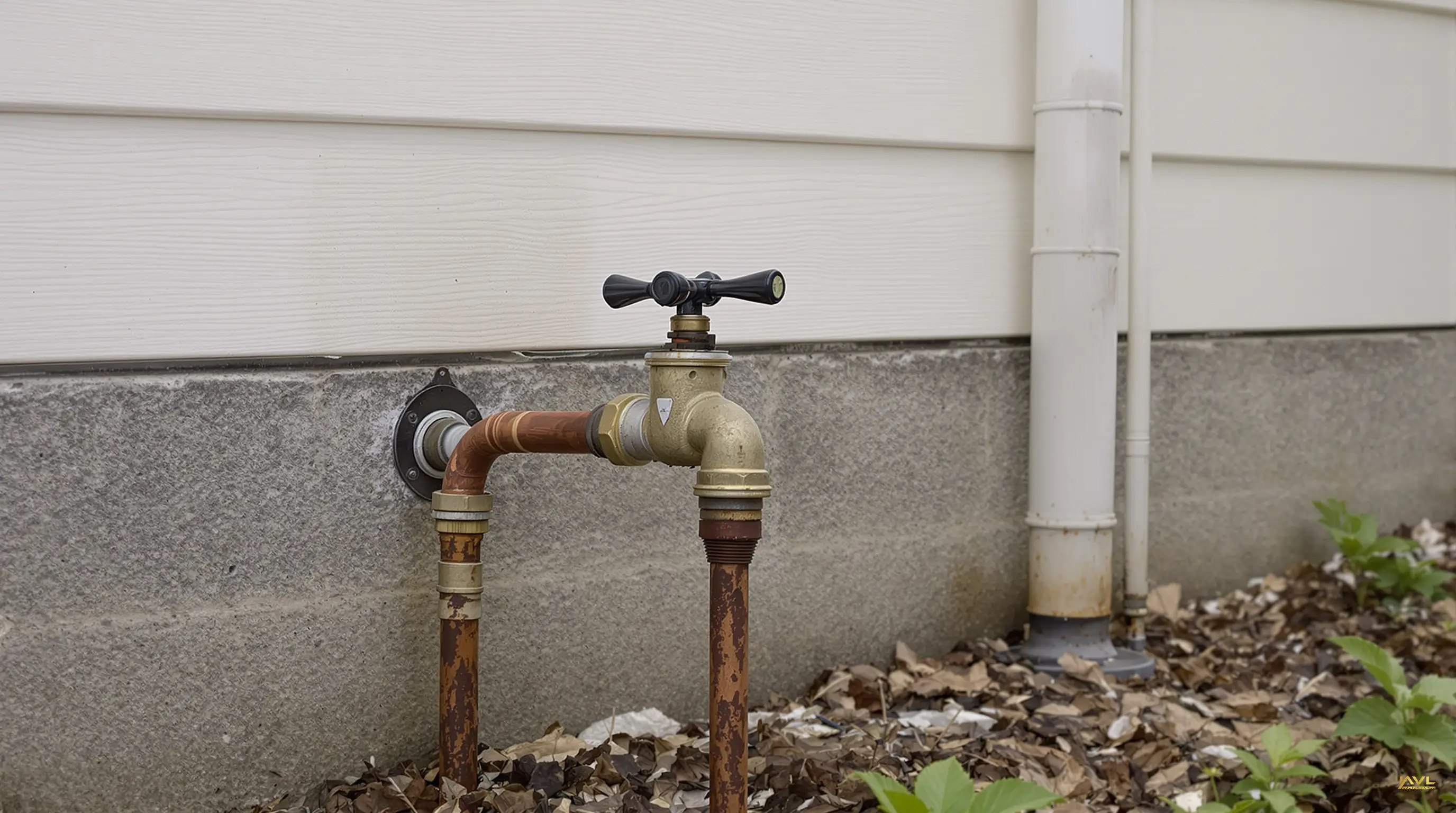
The method and cost for repairing foundation cracks in your older Oakville home depend on the crack's type, size, and whether it's active or dormant. Address these promptly.
Non-Structural Crack Repair
For vertical or diagonal non-structural cracks that are not actively widening or showing displacement, polyurethane or epoxy injection is a common and effective solution. Polyurethane expands to fill the crack and create a flexible seal, while epoxy bonds the concrete back together. These injections are typically performed from the interior.
- Cost: $500 to $2,000 per crack, depending on length and width.
Structural Crack Repair
Horizontal cracks, wide cracks (over 1/4 inch), or cracks that show significant displacement often indicate structural issues. These require a more solid approach. I would get the structural drawings stamped by a licensed engineer before pricing anything. A licensed P.Eng. will assess the crack's cause and recommend a repair strategy, which might involve carbon fibre strapping, steel reinforcement, or even underpinning. As your builder, I would coordinate with the structural engineer to implement their recommendations.
- Cost: Can range from $5,000 to $20,000 or more, depending on the complexity of the structural work required.
Parging Repair
While not a waterproofing solution, repairing damaged parging helps protect your foundation. It's generally a cosmetic repair.
- Cost: $500 to $2,000 for small to medium areas, depending on preparation and materials.
Professional Basement Waterproofing: When to Call a Builder
When superficial repairs aren't enough, professional basement waterproofing protects your older Oakville home from ongoing water problems. This is a significant undertaking, often requiring excavation.
Exterior Waterproofing (Excavation)
This is the most thorough way to waterproof. It involves excavating the soil around your foundation down to the footings, repairing cracks, applying a waterproofing membrane to the exterior of the foundation walls, and installing a new weeping tile system. This stops water from reaching the foundation walls.
- When to consider: Persistent leaks, failed or absent weeping tiles, significant hydrostatic pressure, or when undertaking other exterior renovations.
- Cost: For an older Oakville detached home, exterior waterproofing can range from $20,000 to $50,000 or more, depending on factors like foundation depth, length of walls, soil conditions, access for excavation equipment, and landscaping restoration.
Interior Waterproofing (Drainage Systems)
Interior waterproofing systems, such as an interior perimeter drain or "French drain," collect water that has already entered the basement and direct it to a sump pit. This involves breaking out a section of the basement floor around the perimeter, installing a drain pipe, and connecting it to a sump pump. While this manages water effectively, it does not stop water from entering the foundation walls.
- When to consider: When exterior excavation is impractical or excessively costly, or as a secondary measure.
- Cost: Typically ranges from $10,000 to $25,000, depending on the perimeter length and system components.
Choosing the Right Solution
The choice between exterior and interior waterproofing depends on the source of your leaks, your budget, and your long-term goals for the property. I will assess your situation and provide options based on the specific conditions of your older Oakville home.
For further maintenance advice, consider our Professional Home Maintenance services.
Permits and Inspections for Major Waterproofing Projects in Oakville
Major basement waterproofing projects, especially those involving excavation or significant structural work, almost always require building permits from the Town of Oakville. Ignoring this can lead to fines, delays, and issues with future home sales.
When a Permit is Required
You will typically need a permit for:
- Exterior waterproofing involving excavation: Any significant digging around your foundation.
- Installation of new weeping tiles.
- Structural foundation repairs: Such as underpinning or reinforcing walls.
- Installing a new sump pump and discharge line: Especially if it connects to municipal services (though most discharge to grade).
The Permit Process
- Application: Submit a building permit application to the Town of Oakville, often including drawings of the proposed work. For structural repairs, drawings stamped by a licensed P.Eng. are mandatory.
- Review: The town's building department reviews your application for compliance with the Ontario Building Code (OBC) and local bylaws.
- Inspections: Once the permit is issued, inspections are required during construction. For waterproofing, this typically includes a foundation drainage inspection (before backfilling) and a final inspection.
- Completion: All inspections must pass before the permit is closed.
I coordinate all necessary permits and inspections as part of the project. This ensures your work meets safety and code requirements. Projects involving significant exterior work, especially near property lines or water bodies, might also require Conservation Authority (TRCA) permits or Committee of Adjustment (CoA) approvals.
For more on home maintenance and renovations, see our article: Fall Home Maintenance Checklist for Markham Detached Homes 2026 – Prevent Leaks.
Budgeting for Basement Waterproofing in Oakville
The cost of basement waterproofing in Oakville for an older detached home varies significantly based on the scope of work, foundation access, and damage. Knowing these factors helps you budget.
Factors Influencing Cost
- Method: Exterior excavation is generally more expensive than interior drainage systems.
- Foundation Depth and Type: Deeper foundations or stone/rubble foundations can increase excavation and repair costs.
- Perimeter Length: Longer foundation perimeters mean more material and labour.
- Accessibility: Limited access for excavation equipment (e.g., tight side yards, decks, mature landscaping) can increase labour costs.
- Landscaping Restoration: The cost to restore disturbed landscaping, patios, or driveways after excavation.
- Permit Fees: Town of Oakville permit fees, which vary based on project value.
- Engineer Fees: If a licensed P.Eng. is required for structural assessment or drawings.
Typical Cost Ranges (GTA Market Guidance)
- Minor Crack Injection: $500 - $2,000 per crack.
- Sump Pump Replacement/Upgrade: $800 - $2,500.
- Interior Perimeter Drainage System: $10,000 - $25,000.
- Full Exterior Waterproofing (Excavation): $20,000 - $50,000+.
- Structural Foundation Repairs: $5,000 - $20,000+, depending on complexity.
These figures are estimates and can vary. I provide detailed, itemized quotes after a site assessment.
Your Fall Basement Waterproofing & Leak Prevention Checklist
Here is a checklist for your older Oakville detached home to prevent basement leaks this fall.
- Inspect Exterior Grading: Walk around your home and ensure the ground slopes away from the foundation at least 6 inches over 10 feet. Add soil where necessary to correct negative grading.
- Clear Eavestroughs and Downspouts: Remove all leaves, twigs, and debris. Ensure downspouts extend at least 6 feet away from the foundation.
- Check Window Wells: Clean out debris and confirm proper drainage. Install covers if water consistently collects.
- Examine Foundation Walls: Look for any cracks, damaged parging, or signs of settlement. Note their location, size, and type.
- Test Your Sump Pump: Pour a bucket of water into the sump pit to ensure the pump activates, drains, and shuts off correctly. Check the discharge line for obstructions.
- Inspect Interior Basement Walls: Look for water stains, efflorescence (white powdery residue), or any visible cracks.
- Check for Musty Odors: A persistent musty smell indicates moisture issues that need investigation.
- Assess Landscaping Near Foundation: Ensure dense plantings are not trapping moisture against the foundation. Trim back any encroaching roots.
- Seal Exterior Cracks (Non-Structural): For small, non-structural cracks, consider DIY sealants or professional injection.
- Consult a Professional Builder: If you find significant cracks, persistent leaks, or suspect weeping tile failure, contact a builder for a professional assessment and recommendations.
Frequently Asked Questions
What is the most common cause of basement leaks in older Oakville homes?
The most common cause of basement leaks in older Oakville homes is often a combination of failed or clogged weeping tiles and poor exterior grading, which directs water towards the foundation, leading to hydrostatic pressure.
Do I need a permit for basement waterproofing in Oakville?
You typically need a building permit from the Town of Oakville for major basement waterproofing projects, especially those involving exterior excavation, new weeping tile installation, or structural foundation repairs, to ensure compliance with the Ontario Building Code.
How much does it cost to fix a foundation crack in Oakville?
The cost to fix a foundation crack in Oakville varies; minor non-structural cracks treated with epoxy or polyurethane injection typically range from $500 to $2,000, while structural repairs can cost $5,000 to $20,000 or more, depending on complexity.
How often should I check my sump pump?
You should test your sump pump at least once a year, preferably in the fall before winter or in early spring before the thaw, by pouring water into the pit to ensure it activates and drains properly, and also check its discharge line.
Is interior or exterior basement waterproofing better for an older detached home?
Exterior basement waterproofing, involving excavation and a membrane, is generally considered more comprehensive for older detached homes as it addresses water at its source outside the foundation, while interior systems manage water after it has already entered.

Written by Ali Vaez
Founder & Principal Builder, AVL Custom Homes Inc.
BSc and MSc in Civil Engineering (structural). Over 20 years of global construction experience, GTA operations since 2014.
Published: October 13, 2026 · 15 min read · 2,921 words
Ready to talk about your project?
AVL Custom Homes serves Oakville and the Greater Toronto Area — custom builds, renovations, and builder-led home care.
Request a ConsultationOr call 647-466-6989
