
Custom Home Building in Richmond Hill 2026: Costs & Process
Getting Started with Custom Home Building in Richmond Hill
The average price for a detached home in Richmond Hill hovered around $1.8 million in early 2024, a figure that often pushes aspiring homeowners towards the custom build route. It's a strategic move, especially when existing inventory fails to meet specific spatial needs or modern performance standards. Building custom isn't merely about personalizing floor plans; it's about engineering a home that responds precisely to its site, the local climate, and the owner's long-term vision. This isn't a simple transaction; it's a multi-stage project, fraught with variables and opportunities alike. Many clients approach us with a clear aesthetic in mind, perhaps an open-concept kitchen or a specific master suite layout. What they often underestimate is the foundational work—the regulatory gauntlet, the site analysis, and the intricate dance of permits required long before the first shovel breaks ground. Richmond Hill, like many mature GTA municipalities, presents its own set of challenges, particularly concerning its varied topography and established neighbourhoods. Understanding the difference between a dream and a buildable reality is where a seasoned builder earns their keep. We're not just drawing lines on paper; we're translating aspirations into structures that will stand for generations, all while navigating the municipal bureaucracy. The initial phase is less about design specifics and more about feasibility. We assess the property, its potential, and the myriad restrictions that will shape its future. This includes everything from lot dimensions and setbacks to soil conditions and the presence of protected trees. A builder-led consultation at this stage can save hundreds of thousands down the line by identifying showstoppers or significant cost drivers early. For instance, a seemingly ideal lot might be burdened by a significant TRCA setback, drastically reducing the buildable footprint and requiring extensive environmental impact studies. This is where the real value of a firm like AVL Custom Homes, with its deep local experience and structural engineering expertise from Ali Vaez, becomes apparent. We scrutinize the details, ensuring that what you envision is actually achievable and fiscally responsible.Initial Feasibility Study Costs
A comprehensive initial feasibility study for a custom home lot in Richmond Hill, including zoning review, preliminary site assessment, and TRCA impact analysis, typically ranges from $5,000 to $15,000. This investment can prevent costly surprises later in the permit path.
Understanding Infill Lots and Zoning Regulations in Richmond Hill
Richmond Hill's urban fabric is increasingly characterized by infill development. This means tearing down an older, often smaller home on a desirable lot and replacing it with a larger, more contemporary residence. This process is far more complex than building on a greenfield site. You're not just constructing a new house; you're integrating it into an established neighbourhood, often with unique challenges related to existing infrastructure, neighbour relations, and specific municipal bylaws designed to preserve neighbourhood character. The municipality's zoning bylaws dictate everything from maximum lot coverage and gross floor area (GFA) to building height and minimum setbacks from property lines. These aren't suggestions; they are hard limits. A common misstep is assuming that because a neighbour built a certain size, you can too. Zoning can change, and interpretations vary. For example, a property adjacent to a ravine in Richmond Hill might fall under Toronto and Region Conservation Authority (TRCA) jurisdiction. This isn't merely an extra layer of paperwork; it often means significant delays, requiring environmental assessments, detailed tree protection plans, and specific construction methodologies to prevent erosion or habitat disruption. TRCA approval can add anywhere from 3 to 12 months to a project timeline, and potentially tens of thousands of dollars in consulting and mitigation costs. Moreover, the Committee of Adjustment (CoA) in Richmond Hill frequently reviews applications for minor variances from zoning bylaws. If your desired design slightly exceeds a setback or GFA limit, you'll need to apply for a variance. This involves public notices, neighbour consultations, and a formal hearing. It's a process that demands meticulous preparation and a strong understanding of planning principles. A well-prepared application, supported by sound architectural and engineering rationale, significantly increases the chances of approval. Without it, you might be forced to redesign, incurring additional soft costs and pushing back your project start date. Navigating these intricacies is a core component of our Construction Project Management offering, ensuring every detail is addressed proactively.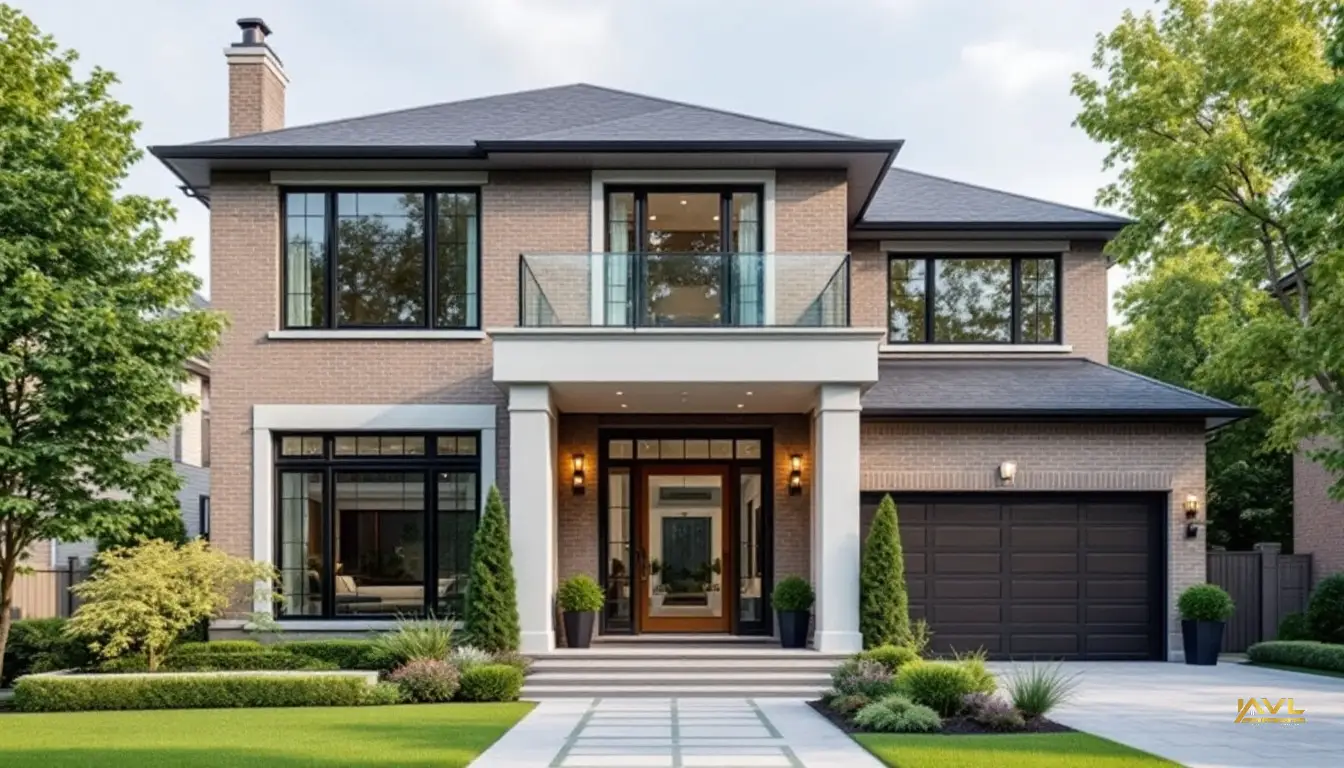
The Custom Home Building Process in Richmond Hill: From Design to Completion
Building a custom home is a structured, multi-phase journey, not a sprint. It begins with a comprehensive design phase. This isn't just about aesthetics; it’s about translating your lifestyle into a functional, efficient, and code-compliant structure. Our architects and structural engineers collaborate closely with clients, developing conceptual drawings, then refining them into detailed architectural plans, structural drawings, and mechanical, electrical, and plumbing (MEP) schematics. This initial design phase can take anywhere from three to six months, depending on the complexity and client revisions. Once designs are finalized, the project moves into the permitting phase. In Richmond Hill, this involves submitting a complete application package to the municipal planning and building departments. This package typically includes architectural plans, structural engineering drawings, site plans, grading plans, and sometimes specialized reports like arborist reports or TRCA permits. The municipal review process itself can take several months—often 10 to 16 weeks for a standard custom home permit, potentially longer if TRCA or complex variances are involved. This is where patience becomes a virtue and meticulous preparation pays off. A well-prepared permit application, free of errors or omissions, moves through the system much faster. With permits in hand, construction begins. This phase is a carefully orchestrated sequence of events: site preparation, excavation, foundation pouring, framing, rough-ins for electrical, plumbing, and HVAC, followed by insulation, drywall, and interior finishes. Each stage requires inspections by municipal building officials to ensure compliance with the Ontario Building Code (OBC). Our site supervisors manage this daily, coordinating trades, ensuring WSIB-compliant practices, and maintaining strict quality control. A typical custom home build in Richmond Hill, from groundbreaking to occupancy, generally spans 12 to 18 months, though larger or more complex projects can extend beyond that. This entire journey is meticulously managed under our Custom Home Building Services, providing a single point of accountability.Typical Richmond Hill Custom Home Timeline
From initial design concept to move-in, a custom home in Richmond Hill can take 18-30 months. This breaks down roughly as: Design (3-6 months), Permitting (4-12 months, including TRCA if applicable), Construction (12-18 months).
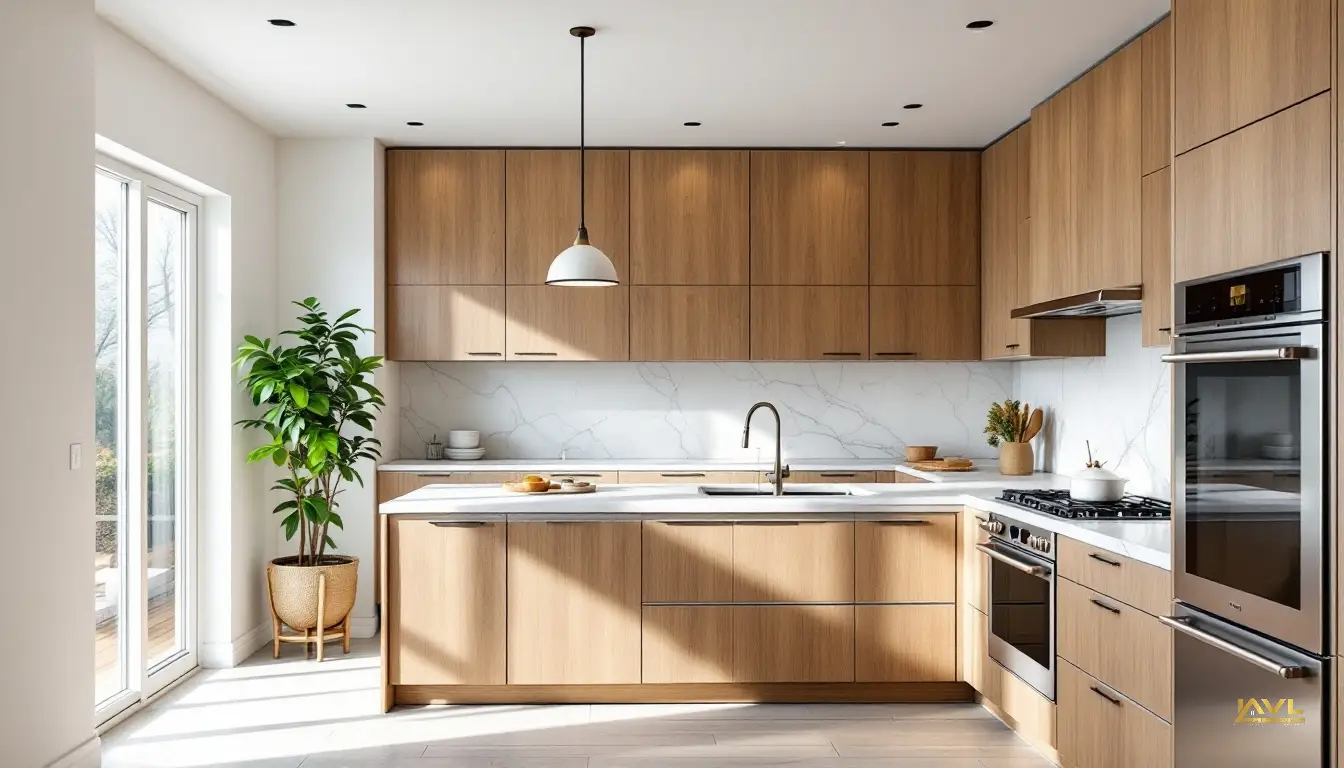
Navigating Ontario Building Code Requirements for Custom Homes in Richmond Hill
The Ontario Building Code (OBC) isn't a suggestion; it's the law. It sets the minimum standards for health, safety, structural integrity, fire protection, accessibility, and energy efficiency for all new construction in the province. For custom homes in Richmond Hill, this means every aspect of the build, from the depth of the foundation to the type of insulation in the walls, must meet or exceed these requirements. Ignorance of the OBC is not an excuse, and non-compliance can lead to costly delays, rework, and even fines. A critical section for modern custom homes is OBC 9.36, which governs energy efficiency. This chapter mandates specific performance levels for the building envelope, mechanical systems, and lighting. Achieving compliance often involves advanced insulation strategies, high-performance windows and doors, and efficient HVAC systems. It's not just about passing inspection; a well-designed OBC 9.36 compliant home will have significantly lower utility bills and superior indoor comfort. Our structural engineers, like Ali Vaez, integrate these requirements from the earliest design stages, ensuring the home is not only structurally sound but also thermally optimized. Municipal building inspectors visit the site at various milestones—foundation, framing, insulation, and final occupancy—to verify compliance. Failing an inspection means halting work, rectifying the issue, and rescheduling, all of which add time and money to the project. This is why builder-led preventive oversight is paramount. We don't just build; we anticipate potential issues, ensuring every detail aligns with the OBC before the inspector even arrives. For long-term peace of mind, after your home is complete, our Annual Home Care from $119/month offers ongoing support, including thermal imaging diagnostics, to ensure your home continues to perform efficiently and adheres to its initial high standards.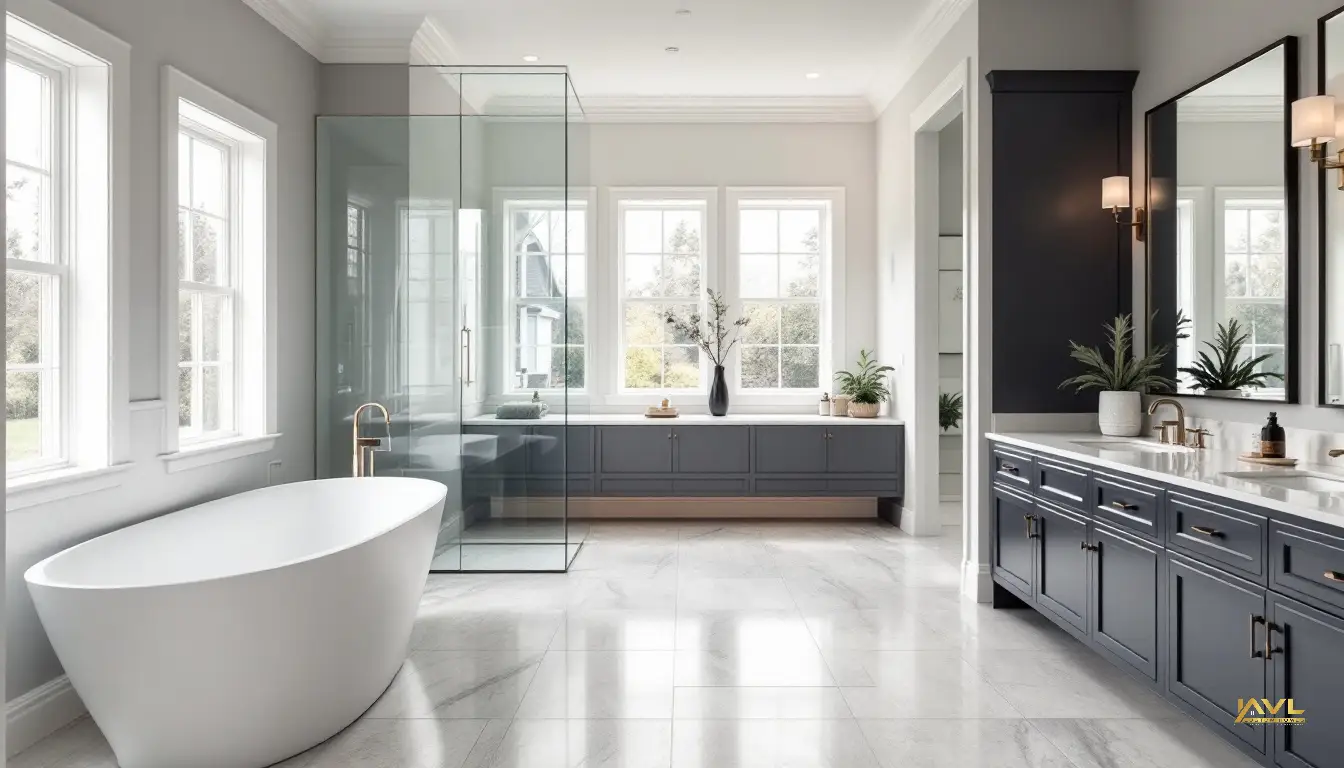
Avoiding Common Pitfalls and Ensuring a Smooth Custom Home Building Experience in Richmond Hill
Building a custom home is an intricate process, and while rewarding, it's not without its potential pitfalls. The most common and often most expensive mistake clients make is underestimating site preparation costs. In Richmond Hill, particularly with infill lots, you might encounter anything from unforeseen bedrock requiring blasting, to unstable soil needing soil remediation, or extensive tree protection zones mandated by the municipality or TRCA. These issues, if not identified and budgeted for early, can add tens of thousands, sometimes even hundreds of thousands, to the project. A detailed geotechnical report is a non-negotiable expense. Another frequent challenge is scope creep—the gradual expansion of the project's requirements beyond the initial agreement. It's tempting to add features or upgrade finishes mid-construction, but each change order has a ripple effect on the schedule and budget. A robust change order process, with clear pricing and timeline adjustments, is crucial. Our approach emphasizes detailed planning upfront to minimize these surprises. We work meticulously during the design phase to lock in specifications, ensuring clarity and transparency throughout. Finally, selecting the right builder is not just about price; it's about expertise, transparency, and a proven track record. A builder who understands Richmond Hill's specific regulatory environment, who has strong relationships with local trades, and who can provide comprehensive project management, is invaluable. Always verify a builder's WSIB-compliant status, ensure they carry adequate liability insurance, and check references. A reputable firm will provide detailed contracts, clear communication channels, and a commitment to quality that extends beyond the build itself. We've seen projects go sideways when clients opt for the lowest bid without vetting the builder's local knowledge or financial stability. It's a classic case of "buy cheap, buy twice." Our blog post, "Bill 185 Changes in Richmond Hill 2026: What Detached Home Buyers Need to Know," further illustrates the evolving regulatory landscape that demands a knowledgeable partner.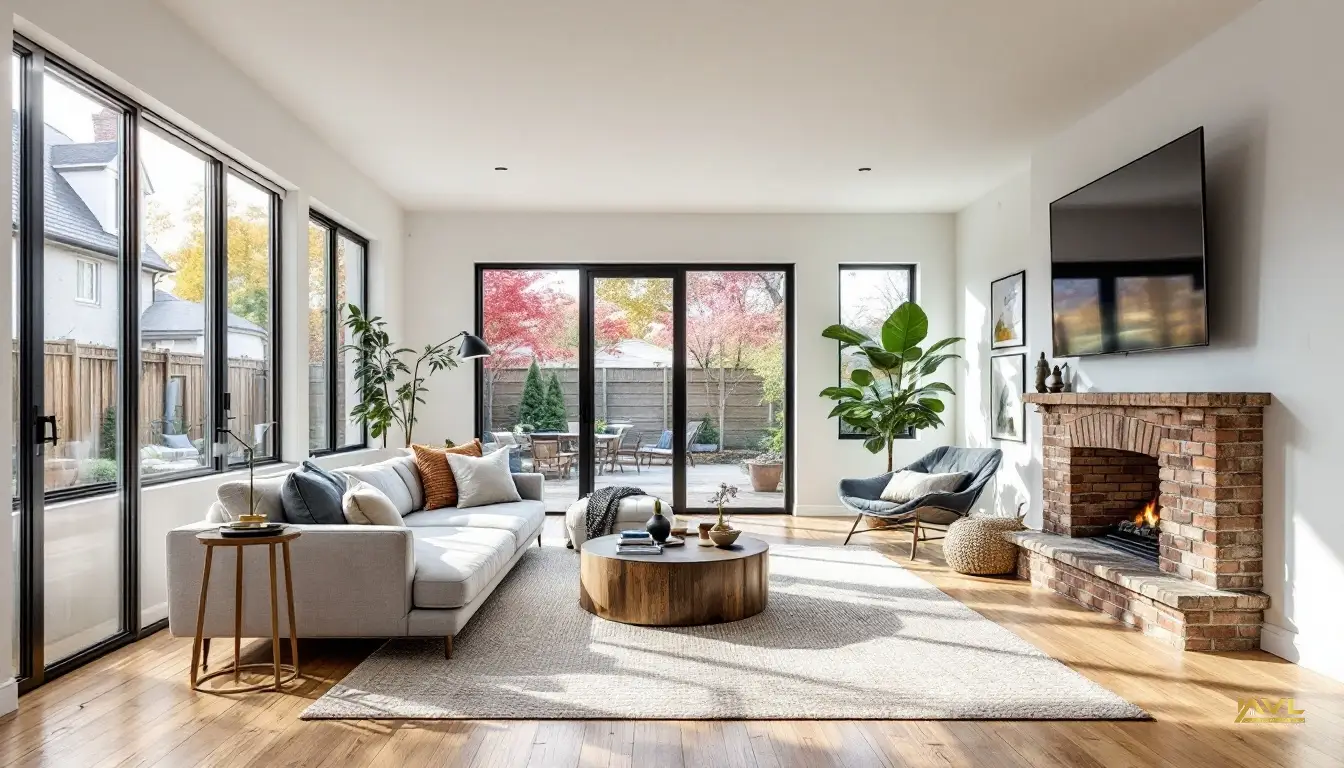
Frequently Asked Questions About Custom Home Building in Richmond Hill
What is the typical cost per square foot for a custom home in Richmond Hill?
The cost per square foot for a custom home in Richmond Hill can vary significantly based on finishes, architectural complexity, and site conditions. Generally, clients should budget between $450 to $800+ per square foot for construction costs alone, excluding land acquisition, soft costs (like permits, surveys, architectural fees), and landscaping. This range accounts for standard luxury to high-end bespoke finishes.
How long does the permit process usually take in Richmond Hill for a custom home?
The permit process for a custom home in Richmond Hill typically takes 10 to 16 weeks for standard building permits once a complete application is submitted. However, if the property is near a ravine and requires TRCA approval, or if minor variances are needed through the Committee of Adjustment (CoA), this timeline can extend significantly, potentially adding 3 to 12 months to the overall project schedule.
What are the major challenges of building on an infill lot in Richmond Hill?
Infill lots in Richmond Hill present several challenges: navigating existing zoning bylaws for setbacks and GFA, potential for unexpected site conditions (e.g., poor soil, old foundations, buried services), managing tree protection zones, and maintaining good neighbour relations during construction. TRCA jurisdiction is also a common factor if the lot abuts a natural heritage feature, adding layers of regulatory complexity and potential delays.
Is TRCA approval always required for custom homes in Richmond Hill?
TRCA (Toronto and Region Conservation Authority) approval is required if your property is located within their regulated areas, typically near ravines, valleylands, wetlands, or floodplains. Many parts of Richmond Hill, particularly those with natural heritage features, fall under TRCA jurisdiction. A site-specific assessment is always necessary to determine if TRCA permits are required, which can significantly impact design, timelines, and costs.
How can I ensure my custom home meets energy efficiency standards in Richmond Hill?
To ensure your custom home meets energy efficiency standards, specifically OBC 9.36, it's crucial to integrate high-performance design principles from the outset. This includes optimizing the building envelope with superior insulation and air sealing, specifying high-efficiency windows and doors, and selecting energy-efficient HVAC and hot water systems. Partnering with a builder experienced in OBC 9.36 compliance and utilizing services like thermal imaging diagnostics for post-construction verification is key.

Written by Ali Vaez
Founder & Principal Builder, AVL Custom Homes Inc.
Structural engineer with a BSc and MSc in Civil Engineering. Over 20 years of global construction experience, GTA operations since 2014.
Published: 2026-06-17 · 14 min read · 2,753 words
Ready to talk about your project?
AVL Custom Homes serves Richmond Hill and the Greater Toronto Area — custom builds, renovations, and builder-led home care.
Request a ConsultationOr call 647-466-6989
