
Window Replacement Cost and ROI in Toronto 2026: A Homeowner's Guide
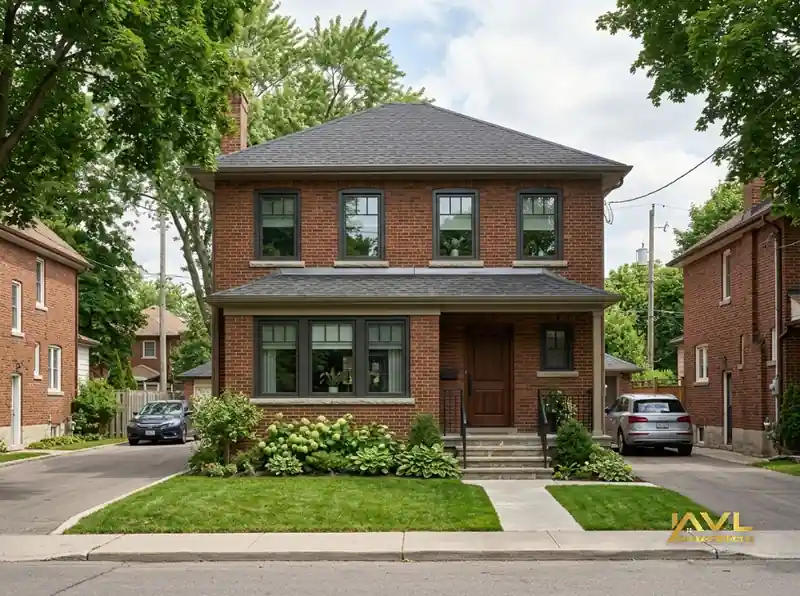
If you are looking at your windows and seeing condensation or, worse, feeling a distinct draft during a January cold snap, you are already behind the curve. In a detached home in Toronto, the building envelope is your first line of defense against a climate that swings from 35-degree humidity to minus-20 wind chills. Replacing windows isn't just about curb appeal; it is a tactical strike against the inefficiency of older housing stock.
In 2026, the cost of materials has stabilized, but labour remains the primary driver of your budget. A standard triple-pane casement installation for an average 2,500-square-foot detached home will set you back roughly $45,000 to $55,000, depending on the complexity of the masonry openings. If your home has original brick sills or requires custom header flashing, you are looking at the higher end of that spectrum. We often see clients prioritize aesthetics over the thermal bridging of the frame, which is a mistake. If the frame conducts cold, the glass doesn't matter.
Before you commit to a full-house swap, understand that window replacement ROI for a detached home in Toronto is rarely a direct dollar-for-dollar energy payback. You won't save $5,000 a year on gas bills. Instead, you are buying a consistent interior climate and eliminating the need for space heaters in bedrooms that face the north wind. If you are planning a larger project, consider consulting with custom home builders in Toronto to see if your windows should be part of a broader envelope upgrade.
The Hidden Costs of Masonry and Framing Adjustments
The biggest shock for homeowners in Toronto is the discovery of what lies behind the wood trim. When we pull a window frame out of a 1950s detached home in Leaside or a 1920s build in the Annex, we rarely find a perfect, square rough opening. You are almost guaranteed to find rotted sub-sills or crumbling brick mortar that wasn't visible until the frame was pulled.
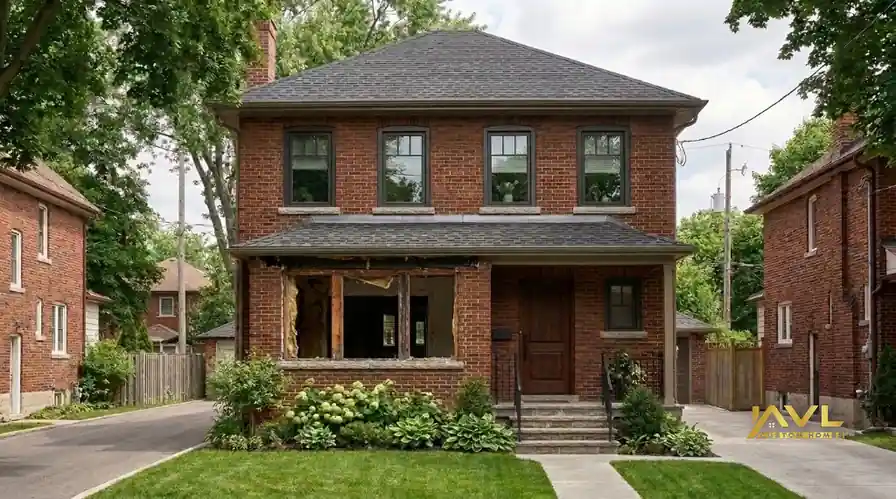
Budgeting for the "known unknown" is mandatory. Allocate at least 15% of your total project cost to remediation of the rough opening. If your contractor doesn't ask to see the condition of the exterior lintels, they are either inexperienced or planning to hide their lack of thoroughness behind a bead of silicone. Silicone is not a structural solution; it is a temporary patch. A proper installation requires flashing that integrates with the existing building paper or the house wrap.
If you are in a neighbourhood with strict heritage guidelines, your window replacement ROI in Toronto might be impacted by the requirement to match the profile of the original wood frames. Replacing thin-profile wood with bulky vinyl units is a quick way to lose architectural value. In these cases, look for high-end fiberglass or aluminum-clad wood options. They cost 30% more than standard vinyl but maintain the property's aesthetic integrity, which is essential for resale value.
Thermal Performance and OBC 9.36 Compliance
The Ontario Building Code (OBC) Section 9.36 is the benchmark for energy efficiency, and in 2026, the requirements for U-factors are increasingly stringent. When you choose windows, ignore the marketing fluff about "energy ratings" and look specifically at the U-factor and the Solar Heat Gain Coefficient (SHGC). For a detached home in Toronto, you want a U-factor of 1.4 or lower.
Many homeowners make the mistake of buying the same window for every side of the house. This is inefficient. South-facing windows should have a higher SHGC to capture solar heat in the winter, while east and west-facing windows should prioritize lower solar gain to prevent overheating in the summer. A smart builder will sequence your order to ensure the right glass goes in the right orientation.
If you are struggling with ongoing maintenance issues, it might be time to look into Annual Home Maintenance Plans to ensure your new windows are properly cleaned and the seals checked annually. Neglect is the primary reason windows fail before their 20-year lifespan. If you are curious about how your current windows compare to modern standards, check out our Toronto Spring 2026 Home Maintenance Guide for a breakdown of what to inspect.
The Truth About Resale Value and Curb Appeal
Does replacing windows increase the value of your detached home? Yes, but not in the way most people think. It doesn't add a flat $50,000 to your appraisal. Instead, it removes a "red flag" for buyers. When a buyer walks through a house and sees fogged glass or feels a draft, they immediately mentally subtract the cost of a full window replacement from their offer. By replacing them, you are neutralizing a potential negotiation point.
In Toronto's competitive market, a house that feels "tight" and quiet—thanks to the sound-dampening properties of modern triple-pane glass—is a house that sells faster. The ROI is found in the speed of the sale and the lack of concessions required during the home inspection phase. We see many clients who try to save money by doing the work in stages. While this is better for cash flow, it is worse for the overall envelope. If you replace the basement windows but leave the second-story units, you are still losing heat through the top of the house. Sequencing the project to do the whole floor at once is more cost-effective regarding labour mobilization.
If you are considering a major renovation, don't just swap the glass. Think about the window placement. Does the kitchen need more light? Should that bedroom window be enlarged to meet current egress requirements? These are the types of decisions that add actual value to your lifestyle and your property. For broader scope work, see our Toronto home renovation page and Annual Home Maintenance Plan in Toronto.
Actionable Checklist for Window Replacement
- Inspect your existing window sills for soft spots or signs of rot before calling for quotes.
- Obtain at least three quotes that itemize the cost of removal, disposal, and interior trim replacement.
- Confirm the installer's method for sealing the window to the building envelope (tape vs. foam).
- Check if your home requires a permit for window enlargement or structural changes to the header.
- Review the warranty coverage for the hardware, not just the glass seal.
- Ensure the quote includes the cost of new interior casing and jamb extensions.
Frequently Asked Questions
Is it better to repair or replace the windows in my detached home?
If the frames are structurally sound and the issue is just hardware or a broken seal, repair is often the better financial move. However, if the frames are rotting or the glass is single-pane, the thermal loss is too high to justify the cost of repair. In a Toronto climate, replacing single-pane windows is always a better long-term investment.
How long does the installation process take for a full detached home?
For a standard two-story detached home, a professional crew can typically complete the installation in three to five days. This assumes no major structural issues are found once the old units are removed. If custom header work or masonry repair is required, add two days to the timeline.
Do I need a permit for window replacement in Toronto?
Generally, if you are replacing windows in the same size and location, a permit is not required. However, if you are enlarging a window opening, adding a new window, or modifying the structural header, you will need a building permit. Always check with the City of Toronto building department if you are making structural changes.
What is the expected lifespan of high-quality windows in Toronto?
High-quality fiberglass or aluminum-clad wood windows should last 25 to 30 years if maintained properly. Vinyl windows typically have a lifespan of 15 to 20 years. The limiting factor is usually the seal between the glass panes, which can fail over time due to thermal expansion and contraction.
Will new windows reduce the noise from the street?
Yes, significantly. Triple-pane windows with varying thicknesses of glass panes are excellent at dampening sound. If you live on a busy street in Toronto, specifying laminated glass in your window package will provide the best acoustic performance, effectively turning your home into a quiet sanctuary.
Ultimately, the window replacement ROI for a detached home in Toronto is measured in comfort, energy efficiency, and the long-term health of your building envelope. Do not chase the cheapest quote, as the difference between a high-performance install and a "caulk and pray" job will show up in your energy bills and your comfort levels within two seasons. If you are unsure where to start, reach out for a consultation to discuss your specific property needs.

Written by Ali Vaez
Founder & Principal Builder, AVL Custom Homes Inc.
Structural engineer with a BSc and MSc in Civil Engineering. Over 20 years of global construction experience, GTA operations since 2014.
Published: 2026-08-11 · 8 min read · 1,543 words
Ready to talk about your project?
AVL Custom Homes serves Toronto and the Greater Toronto Area — custom builds, renovations, and builder-led home maintenance.
Request a ConsultationOr call 647-466-6989
