
Managing Toronto Townhouse Humidity in Summer 2026
Serving Toronto: see our Custom Home Builders in Toronto and Home Renovation — Toronto.
The average Toronto townhouse built between 1985 and 2005 is currently sitting at a critical juncture for building science. We are seeing a massive uptick in moisture-related failures as these structures reach the 20-year mark. If your basement feels heavy or your hardwood floors are cupping, you are already fighting a losing battle against the GTA’s humid continental climate. The reality of a Toronto townhouse humidity summer 2026 scenario is that your home is likely struggling to breathe.
Most townhouses in the city suffer from a compromised air barrier continuity. When the exterior dew point spikes in July, the moisture-laden air forces its way through every unsealed rim joist, electrical penetration, and window frame. In a townhouse, you have the added complexity of shared party walls. If your neighbor isn't maintaining their envelope, their moisture migration can easily become your mold problem. We see this constantly in the Annex or newer infill developments near Liberty Village where moisture gets trapped between the fire-rated wall assemblies.
Toronto townhouse humidity summer 2026: Mechanical Ventilation and HVAC Sequencing
Your HVAC system is not a dehumidifier, yet most homeowners treat it like one. If your AC unit is oversized—which is common in Toronto townhouse builds—it cools the space too quickly, hitting the thermostat set point before it has the chance to pull the moisture out of the air. This leads to a cold, clammy house that feels like a tomb. You need a dedicated energy recovery ventilator (ERV) or a high-capacity standalone dehumidifier integrated into your return air ducting.
In 2026, we are seeing a shift toward smart-sensing systems that monitor indoor relative humidity (RH) rather than just temperature. A well-tuned system should maintain an RH between 40% and 50%. Anything above 60% for a sustained period is a ticking time bomb for your drywall and framing. If your system is cycling every 10 minutes, you are putting unnecessary stress on your compressor, which will likely cost you $1,200 to $2,500 in premature repair bills if left unaddressed. For those looking to get ahead of these mechanical failures, our Annual Home Maintenance Plans provide the necessary oversight to keep your equipment running within manufacturer specs.
The Hidden Danger of Party Wall Intersections
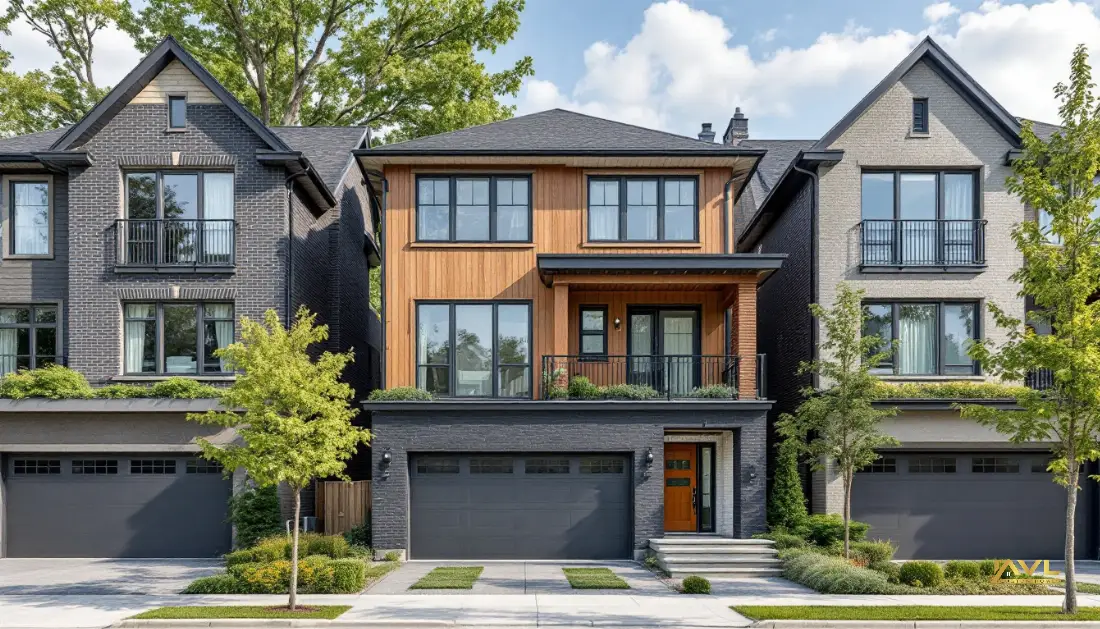
Toronto townhouses share structural elements that act as thermal bridges. During the heat of a Toronto townhouse humidity summer 2026, the temperature differential between your conditioned interior and the wall cavity can create a perfect environment for condensation. We often find that the fire-stopping materials used at the roof deck or floor joists were installed without proper air sealing. This creates a chimney effect, pulling humid air from the basement all the way to the attic.
If you notice musty odors near your staircase or along the shared wall, you likely have a breach in the air seal. Fixing this is not a weekend DIY project. It requires professional air sealing using specialized fire-rated foam or mineral wool. If you are planning a larger project to rectify these structural deficiencies, our team at Professional Home Maintenance can help coordinate the necessary trade work to bring your unit up to modern standards. Ignoring these gaps is how you end up with structural rot that costs upwards of $15,000 to remediate once the infestation sets in.
Roof and Attic Ventilation Realities
Your attic is the most overlooked component of your townhouse. In the GTA, we deal with extreme temperature swings. If your soffits are blocked by insulation or if your roof vents are improperly sized, you are trapping moisture in your attic space. This is a common issue in many Toronto townhouses where the roof deck is shared. If your neighbor has a leak or poor ventilation, the moisture migrates across the party wall, impacting your attic’s structural integrity.
We see far too many homeowners attempt to fix this by adding more insulation, which only exacerbates the problem by further restricting airflow. You need to ensure a clear ventilation path from the soffit to the ridge vent. If you are seeing dark staining on your roof sheathing, you have a moisture issue that needs immediate attention before the shingles start to fail. For specific advice on roofing issues, check out our insights on Vaughan Townhouse Roof Maintenance 2026, as the construction methods are often identical to what we see in the city.
Summer Maintenance Checklist for 2026
To keep your home stable through the peak of the Toronto summer, follow this protocol. It is not about doing everything at once, but rather maintaining a consistent cadence of inspection and upkeep.
- Inspect the basement sump pump: If you have one, ensure the float switch is free of debris. A failed pump during a summer storm can lead to a flooded basement, which creates an instant humidity spike.
- Check window seals: Look for cracked caulking on the exterior. If you can see daylight through the frame, moisture is getting in. A tube of high-grade polyurethane sealant costs $15 and can save you thousands.
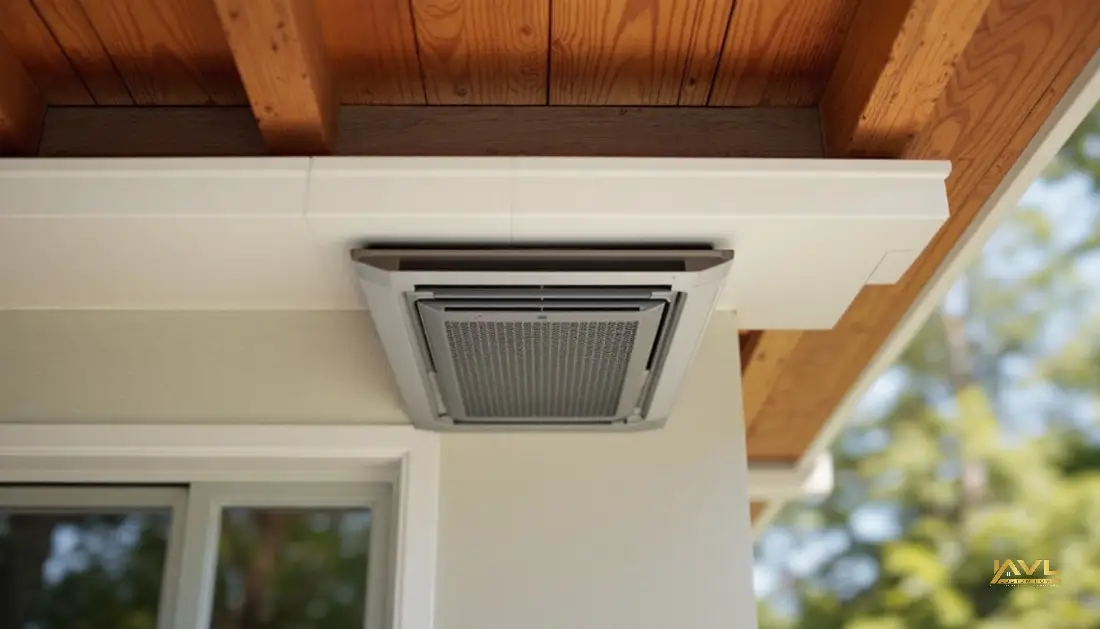
- Clear your condensate drain lines: Use a shop vac to clear the line from your AC unit. Algae buildup here is the number one cause of water backup in HVAC systems.
- Verify your exhaust fans: Use a piece of tissue paper to see if your bathroom fans are actually pulling air. If the tissue falls, the fan is dead or the duct is disconnected.
- Monitor the crawl space: If your townhouse has a crawl space, ensure the vapor barrier is intact. If it is torn, you are inviting ground moisture into your home.
The Economics of Proactive Building Care
Maintenance is often viewed as an expense, but in the context of a Toronto property, it is a defensive capital investment. A neglected home loses value not just in aesthetic appeal, but in the degradation of its structural components. When you calculate the cost of a full basement mold remediation or the replacement of water-damaged subflooring, the $500 to $1,000 annual spend on professional inspections looks like a bargain. We see many homeowners in the GTA wait until a crisis occurs, turning a $300 maintenance task into a $5,000 emergency repair.
The market in 2026 is unforgiving for properties with documented moisture issues. Buyers are more informed than ever. They are hiring inspectors who use moisture meters and thermal cameras to identify the exact problems you are trying to hide. By staying ahead of the maintenance curve, you are protecting your equity. If you want to understand the long-term cost of ownership for your specific property, our Cost Calculator can provide a baseline for your budgeting.
How do I know if my townhouse has a moisture problem?
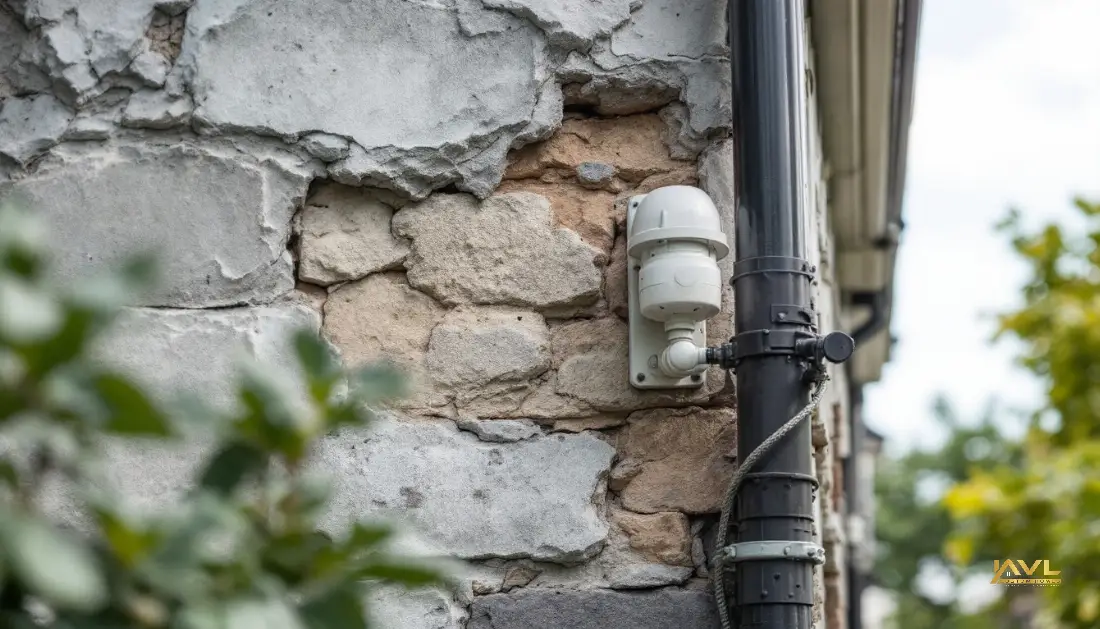
Look for the signs: condensation on the inside of your windows, a persistent musty smell in the basement, or peeling paint in the corners of your rooms. If you see efflorescence—a white, powdery substance—on your concrete foundation walls, that is a clear indicator of water migration through the masonry. A professional audit is the only way to confirm the extent of the issue.
Is it normal for a Toronto townhouse to feel humid in July?
While the GTA is naturally humid in the summer, your home should not be. If your indoor humidity is consistently above 55%, your mechanical systems are likely failing or your building envelope has been compromised. A healthy home should feel dry and comfortable, regardless of the outside temperature. If it feels like a swamp, your home is not performing as it should.
Can I fix these humidity issues myself?
You can handle the basics, like clearing gutters, checking window caulking, and replacing HVAC filters. However, deep-seated issues involving the building envelope, fire-rated wall assemblies, or complex HVAC balancing require a professional. Attempting to seal a party wall incorrectly can actually make the problem worse by trapping moisture inside the wall cavity, leading to rapid rot.
Why does my neighbor's townhouse affect my humidity levels?
Townhouses are connected structures. If your neighbor has a roof leak, a plumbing issue, or a poorly ventilated attic, that moisture can travel through the shared wall or roof deck into your unit. This is especially common in older row housing where the fire-rated separation between units was not properly sealed during the original construction.
What is the most important thing to check before the summer heat hits?
The HVAC condensate line is the most critical point of failure. If this line clogs, the water will back up into your unit, creating an immediate and significant moisture problem. Cleaning this line takes ten minutes and costs next to nothing, yet it is the most common reason we are called for emergency service during the first heatwave of the year.
As we move through the 2026 season, the focus for any responsible Toronto homeowner should be on system health and envelope integrity. The climate is not getting any drier, and the building stock is not getting any younger. If you treat your home like a machine that requires regular calibration, you will avoid the pitfalls that catch so many others off guard. Invest in the right inspections, listen to what the structure is telling you, and address the small issues before they become the ones that define your year. For additional context on regional differences, our Markham Townhouse Summer Maintenance Guide 2026 offers a similar perspective for those in the suburbs who are dealing with identical construction challenges.
Maintaining a Toronto townhouse requires a level of vigilance that many owners underestimate. It is a constant battle against the elements, but one that is entirely winnable if you have the right strategy. By focusing on the mechanical, structural, and environmental factors mentioned above, you can ensure that your home remains a dry, comfortable sanctuary even when the humidity levels outside are at their peak. For those needing a deeper look at seasonal preparedness, our 2026 Oakville Townhouse Spring Maintenance Guide provides a solid foundation for the work that should have been done earlier in the year.
Ultimately, the goal is to create a home that works for you, not against you. A well-maintained property is a quiet, efficient, and healthy place to live. If you are unsure where to start, prioritize a professional inspection. It is the cheapest insurance you can buy against the high cost of neglect. Your home is likely your largest asset; treat it with the technical respect it deserves.

Written by Ali Vaez
Founder & Principal Builder, AVL Custom Homes Inc.
Structural engineer with a BSc and MSc in Civil Engineering. Over 20 years of global construction experience, GTA operations since 2014.
Published: 2026-08-24 · 10 min read · 1,895 words
Ready to talk about your project?
AVL Custom Homes serves Toronto and the Greater Toronto Area — custom builds, renovations, and builder-led home maintenance.
Request a ConsultationOr call 647-466-6989
