
Top 5 High-Value Renovations for Maximum ROI in Toronto & GTA
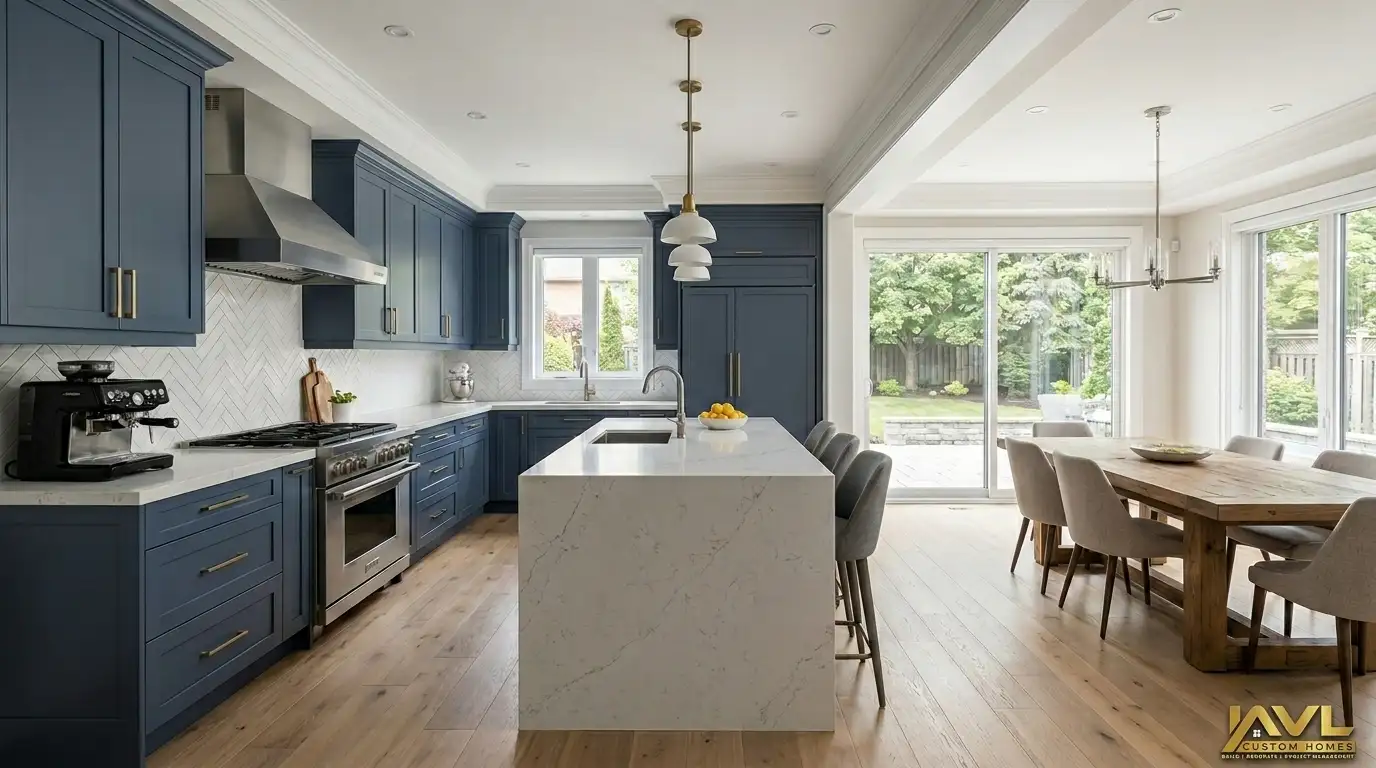
1. Kitchen remodel
The kitchen remains the emotional and financial centre of GTA resale. Buyers decide in the first sixty seconds whether a home feels updated, and the kitchen anchors that impression. A well-scoped kitchen renovation — layout correction, durable surfaces, adequate lighting, and modern appliance integration — consistently ranks among the highest-return discretionary projects when you stay within neighbourhood finish bands.
Typical 2026 cost ranges (Toronto & 905, all-in):
- Cosmetic refresh (cabinet reface or repaint, counters, backsplash, fixtures): $35,000–$65,000
- Mid-tier full remodel (layout tweaks, new cabinets, stone counters, panel check): $80,000–$130,000
- Structural or load-bearing changes (wall removal, bump-out, premium millwork): $130,000–$200,000+
ROI drivers: open sightlines to dining or living where structure allows; pantry storage; induction-ready circuits; quiet, integrated ventilation. ROI killers: importing ultra-luxury appliance packages into mid-tier streets; removing too much storage; skipping electrical panel review before ordering a 48-inch range.
Before you commit, model ranges in our Toronto renovation cost calculator, then validate with a scoped quote from a design-build team that handles permits — not a square-foot guess from a forum thread.
2. Primary bathroom upgrade
After the kitchen, the primary ensuite signals whether a home has been cared for. In Vaughan, Richmond Hill, Markham, and North York luxury segments, a dated ensuite with plastic tub surrounds and insufficient lighting can discount offers even when the rest of the house is solid.
Typical 2026 cost ranges:
- Refresh (new vanity, tile surround, glass shower, fixtures): $25,000–$45,000
- Full primary ensuite (layout change, heated floor, steam shower, custom vanity): $55,000–$95,000
- Spa-tier with structural work (expansion, skylight, stone slab throughout): $95,000–$140,000+
Focus on waterproofing and ventilation first — mould remediation destroys ROI faster than any tile choice saves it. Heated floors, frameless glass, and consistent plumbing finishes read as premium without requiring exotic stone. If you are selling within three years, upgrade the primary bath and at least one secondary bath; leave powder rooms to a clean refresh unless condition is poor.
For full-service execution, see our Toronto home renovation services and major renovation program.
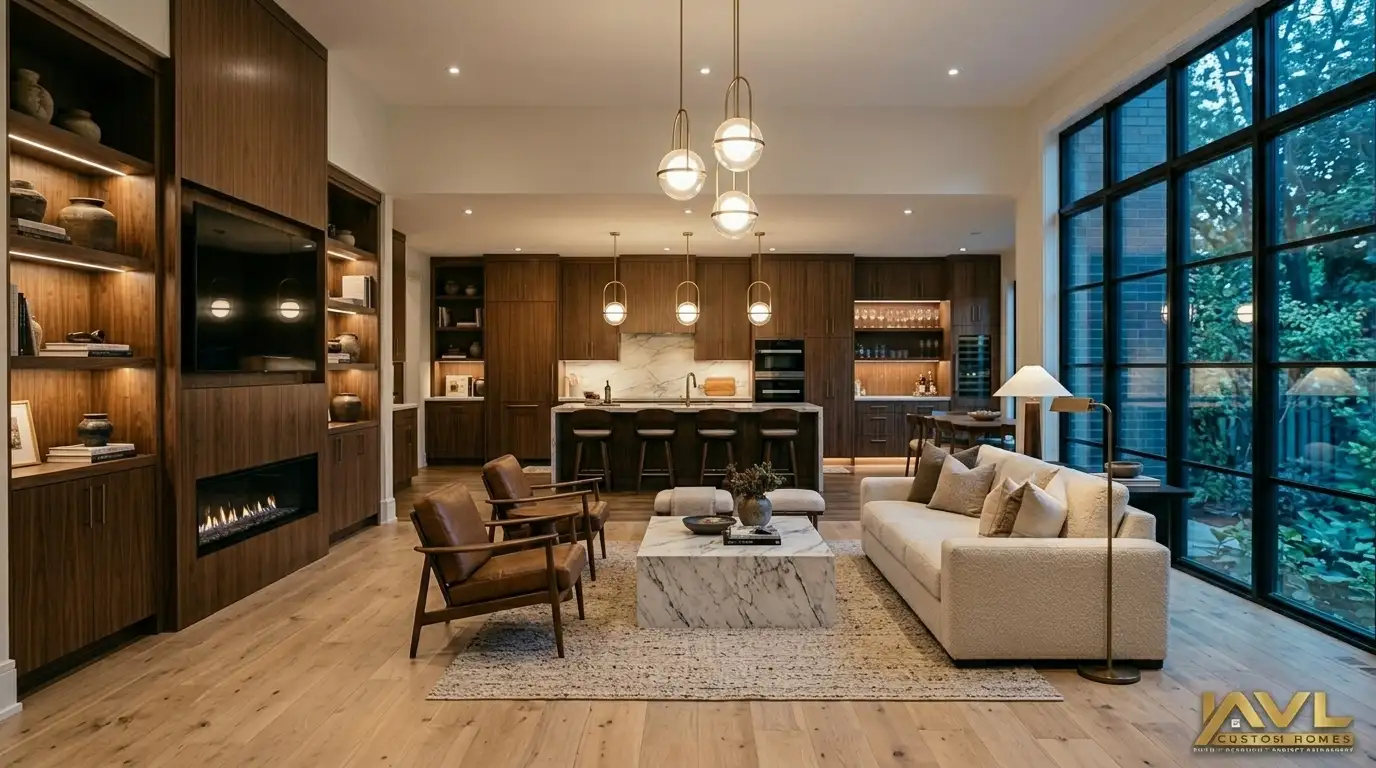
3. Legal basement suite
In the GTA, usable square footage is expensive to buy but often economical to add — if you do it legally. A permitted secondary suite can generate immediate rental income while increasing salability to investor-buyers and multigenerational households.
Typical 2026 cost ranges (legal suite, rough-in to certificate):
- Basic legal conversion (existing layout, separate entrance feasible): $80,000–$120,000
- Complex conversion (new egress, fire separation, HVAC zoning, plumbing): $120,000–$180,000
- Full lower-level rebuild with suite (structural, moisture remediation, two-zone mechanical): $180,000–$280,000+
Income context: many Toronto-area suites rent for roughly $1,800–$2,800+ per month depending on location, size, and inclusion of utilities — verify current comps with a local property manager. Cash-on-cash return can exceed purely cosmetic projects, but only when the suite is legal, insured, and mortgage-disclosable.
Municipal rules differ: Toronto, Mississauga, Brampton, and Markham each have distinct secondary-suite bylaws and inspection paths. Unpermitted kitchens and bedrooms are a liability at sale — buyers discount them, lenders flag them, and insurers may void claims.
4. Exterior and curb appeal
Buyers form price anchors before they enter. Peeling paint, tired roofing, mismatched windows, and neglected grading signal deferred maintenance — and invite low offers. Exterior work often delivers disproportionate perceived value because it frames everything inside.
Typical 2026 cost ranges:
- Paint, front door, hardware, basic landscaping refresh: $8,000–$20,000
- Window replacement (whole house, mid-tier triple-pane): $35,000–$75,000
- Roof replacement (architectural shingle, typical detached): $18,000–$35,000
- Siding + trim + porch rebuild: $45,000–$90,000+
Prioritize grading and drainage with any exterior scope — water against the foundation erases curb-appeal gains within a season. Clean eavestroughs, downspout extensions, and positive slope away from the house are inexpensive ROI protectors.
City context matters for permits and design expectations: compare Toronto, Vaughan, and Richmond Hill build standards when calibrating exterior spend.
5. Energy efficiency upgrades
Energy projects pay back twice: lower operating cost while you live there, and stronger buyer appeal for efficiency-conscious purchasers. Federal and provincial rebate programs periodically offset heat pumps, insulation, and window upgrades — document everything for resale packets.
Typical 2026 cost ranges:
- Attic insulation top-up + air sealing: $3,500–$8,000
- High-efficiency furnace + AC (including duct adjustments): $12,000–$22,000
- Cold-climate air-source heat pump (whole home, panel upgrades possible): $18,000–$35,000+
- Basement to attic envelope package (windows + insulation + mechanical): $60,000–$120,000
ROI tip: pair efficiency with measurable outcomes — blower-door results, EnerGuide labels where applicable, and utility baselines before and after. Buyers trust numbers more than “eco-friendly” marketing copy.
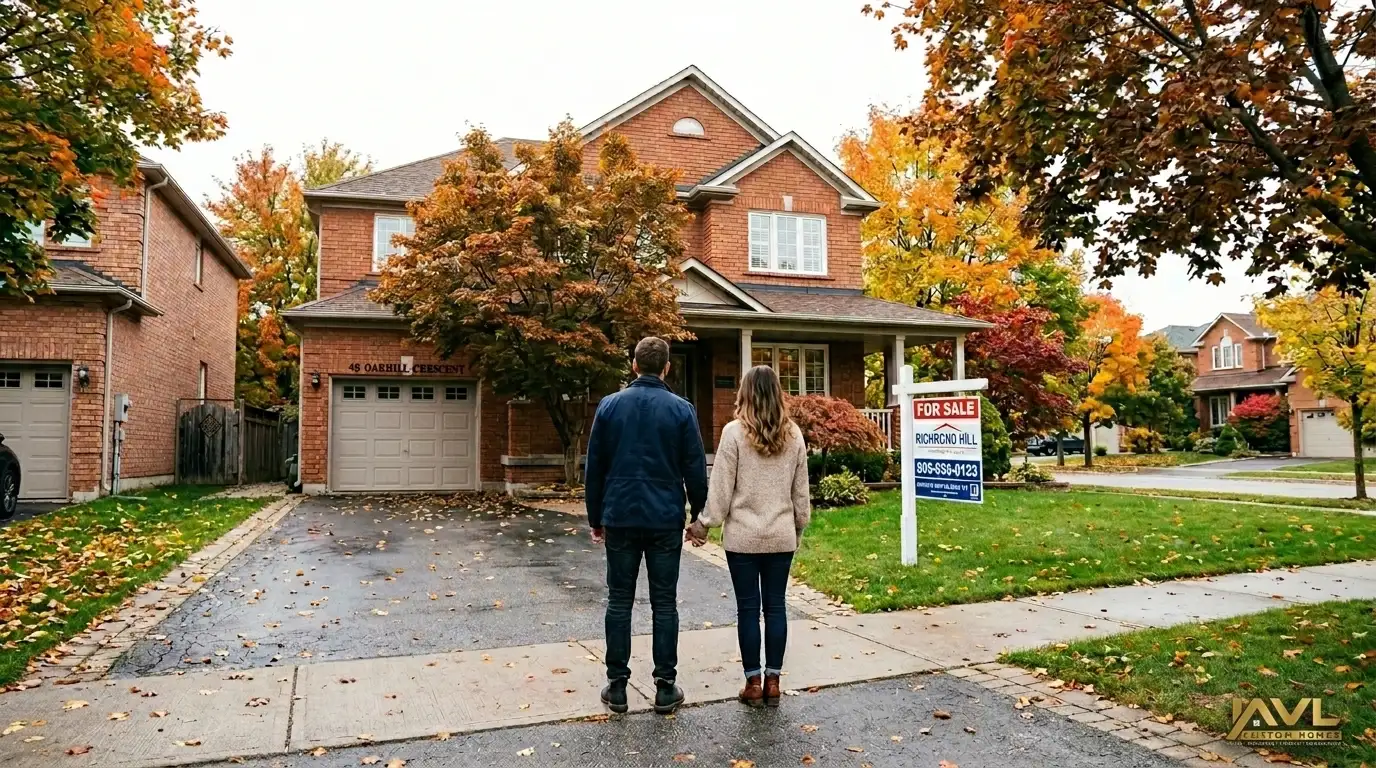
How to prioritize and phase
Ranking projects on a spreadsheet is easy; sequencing them without redo is hard. Use this order:
- Fix failure modes first — roof leaks, foundation moisture, panel capacity, illegal or unsafe electrical.
- Match spend to ownership horizon — see our guide on when a renovation is actually worth it.
- Bundle mechanical and structural opens — if walls are open for a kitchen, inspect plumbing and HVAC routing before closing them.
- Finish with cosmetics — flooring, paint, and hardware last so they are not damaged during heavy trades.
Hard costs — design, engineering, permits, financing carry, and contingency — commonly add 15–25% on top of hard construction in the GTA. A $150,000 kitchen quote is rarely a $150,000 all-in project. Phase when cash flow or occupancy requires it, but never phase in a way that forces you to demolish new work to access old problems.
Financing can preserve liquidity for qualifying homeowners; see our renovation financing guide for HELOC versus construction-draw trade-offs.
GTA neighbourhood calibration
ROI is not national — it is hyperlocal. A $120,000 kitchen that shines in Leaside may be marginal in a Brampton subdivision where buyers expect updated but not custom. Walk open houses within a kilometre, note appliance brands and stone thickness, and calibrate. Realtors often cite “70–80% recovery” on kitchens; that band assumes you did not overshoot the block.
Timing matters too. Starting a major reno six months before listing compresses contractor schedules and forces compromises. If sale is near, favour high-visibility, low-disruption scopes: front elevation, primary bath, lighting, and staging-friendly paint. If you are staying a decade, invest in layout and mechanical depth even when resale recovery is partial — daily use is part of the return, and protect your investment after a renovation with scheduled envelope and mechanical checks. Either way, structure and moisture remediation come before Instagram finishes.
Request an ROI-aware scope review — we map must-fix structure, resale-friendly finishes, and phasing so you do not overbuild for your street. Book a consultation or start with the cost calculator.

Written by Ali Vaez
Founder & Principal Builder, AVL Custom Homes Inc.
BSc and MSc in Civil Engineering (Structural Engineering). Building since 2004 (outside Canada), serving the GTA since 2014, 17+ homes delivered.
Published: 2026-07-20
