
Markham Summer 2026: How to Prevent Water Damage in Your Detached Home
Also useful: Annual Home Maintenance Plan in Markham, custom home builders in Markham, and our renovation cost calculator if water damage is already forcing a rebuild scope.
I spent Tuesday morning looking at a foundation wall in a 1990s-era detached home near Unionville. The homeowner was baffled by a localized damp patch after a relatively mild thunderstorm. It was not a crack in the poured concrete — it was avoidable failure of the exterior grading and a clogged downspout extension. In Markham, where soil can shift hard between dry spells and heavy rain, water management is the single biggest variable in long-term foundation performance. Ignore exterior drainage and you are not only risking wet carpet; you are risking the envelope that holds the house together.
Most homeowners treat the property like a static object. It is not. It is a system that needs calibration. Summer water damage prevention for Markham detached homes is not aesthetic work — it is the difference between a few hundred dollars of maintenance and a $40,000 basement remediation. Water takes the path of least resistance. If grading slopes toward the house, or weeping tile is choked by maple roots, water will find a way in.
Why Markham summers punish weak drainage
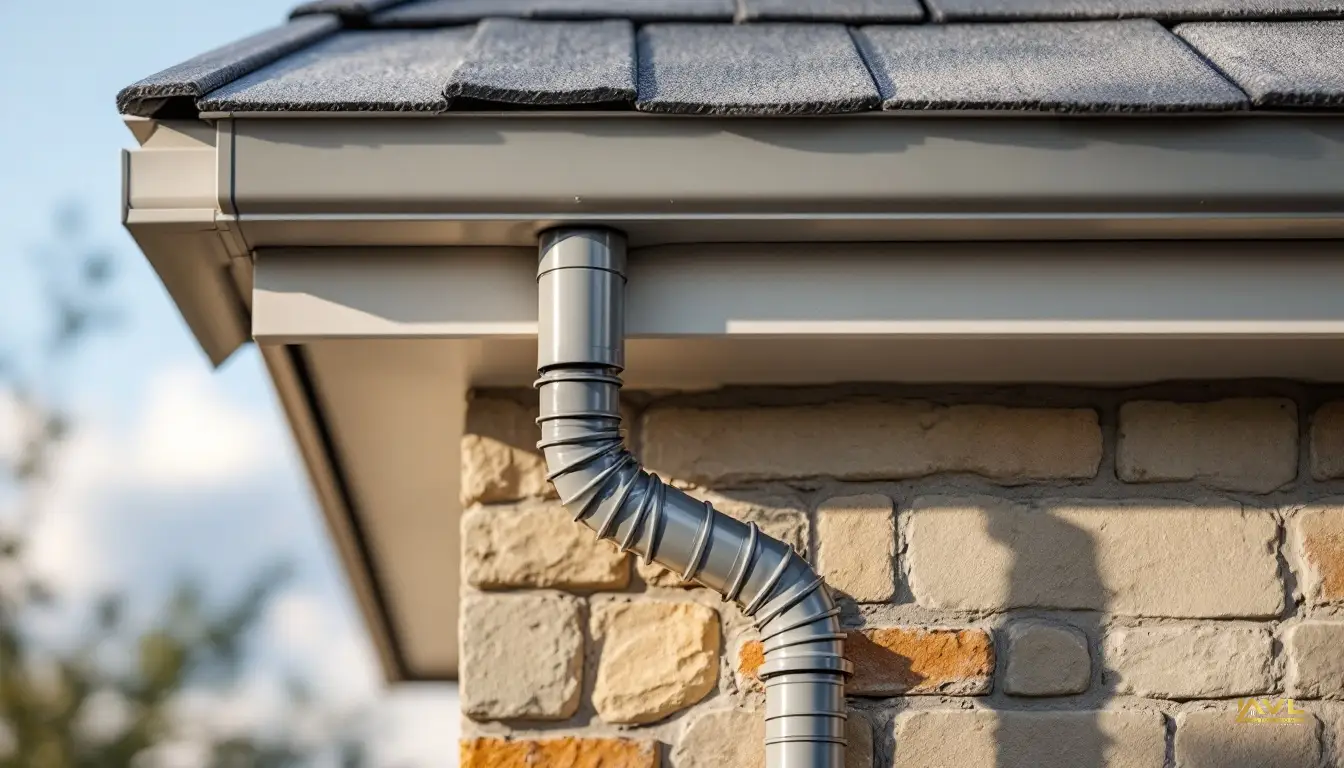
The primary culprit for water ingress is mismanaged roof runoff. Markham residential roofs shed a huge volume during a summer deluge. If gutters are choked or downspouts dump against the foundation, you are effectively directing water into your own basement. High-end basement finishes fail regularly because nobody spent a couple hundred dollars extending downspouts six feet off the perimeter.
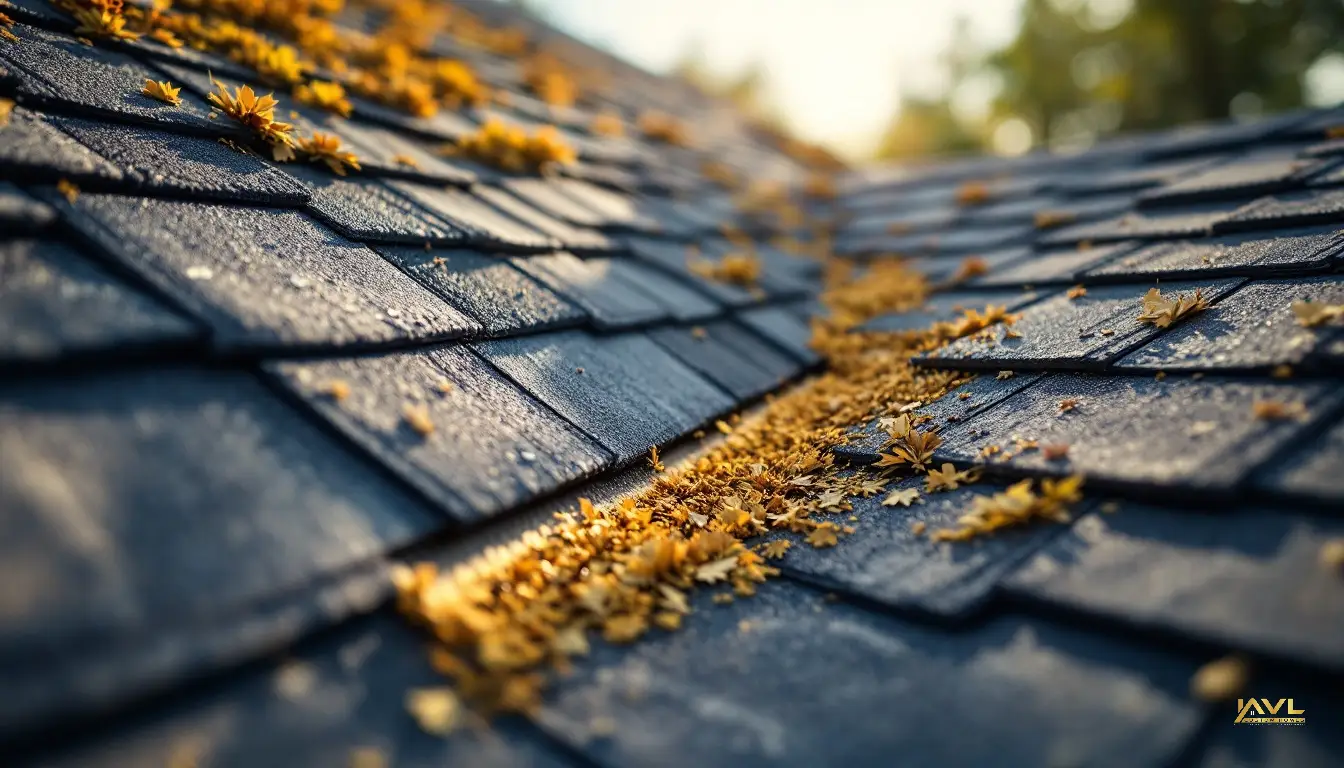
Audit the exterior envelope now. Check gutter pitch — standing water in a gutter means overflow in the next storm. Check elbows and connections; loose downspouts dump into window wells or against foundation vents. In humid Markham summers, those leaks can grow mold in the wall cavity before you see a damp drywall spot.

Consider the weeping tile system. In many 1980s–1990s Markham subdivisions, perimeter drains are nearing end of design life. Persistent moisture may need a camera inspection. For a proactive schedule, our Annual Home Maintenance Plan is built to catch envelope and drainage issues before they become emergency repairs.
Grading and exterior envelope integrity
The ground around the house should not be flat. Target a minimum ~5% slope away from the foundation for the first three metres. Raised beds hard against siding are a common Markham failure mode — they bridge moisture over flashing into the wall assembly.
Walk the perimeter with a level. Settling near the foundation (backfill consolidation) is priority one. Pull mulch, add structural clay, compact properly — do not just dump topsoil that will wash away. Dense, clay-based soil sheds water. For broader exterior standards, see our professional home maintenance approach.
Window wells matter. Keep them clear of leaves; submerged seals leak. Install covers where practical, confirm well drains work — pour a bucket of water and time the drain-down. Standing water means a blockage.
Sump pumps and backwater valves
In low-lying Markham pockets or homes with basement walk-outs, a sump is not optional. Do not rely on one aging pump. Use a primary pump, battery backup, and ideally a secondary pump set slightly higher. When power drops in a storm — common in summer — backup power is what keeps the basement dry.
A backwater valve is the other critical device. When municipal sewers surcharge, sewage can reverse into floor drains. Inspect the valve twice a year: open the lid, clear debris, confirm the flap moves freely.
On older detached homes, check cast-iron stacks and floor drains for corrosion or root intrusion — common in established Markham streets. Root clearing is cheap compared with flooring, drywall, and contents replacement after a backup.
Why Markham’s housing mix matters
Markham mixes historic fabric, mid-century stock, and large new estates. Newer homes often ship with rushed landscaping that fails grading. Older homes often carry aging perimeter drains. Rainfall intensity is higher than systems designed in the 1990s–2000s assumed — what worked in 2005 may be undersized today.
Neighbouring York Region soil behaviour is similar in our Richmond Hill summer maintenance tips. For the upper envelope, use the North York summer roof maintenance guide.
Summer checklist you can run this weekend
- Clear gutters; confirm pitch — no standing water in the trough.
- Reconnect elbows; extend downspouts 6–10 ft from the foundation.
- Walk the perimeter: soil should fall away from the house, not toward it.
- Empty window wells; test well drains with a bucket of water.
- Test sump float + outdoor discharge; confirm battery backup status.
- Open and clean the backwater valve lid if accessible.
- Note musty smells or damp patches — photograph and schedule diagnosis before the next storm cell.
FAQ: protecting your detached home
Frequently asked questions
How often should I check my sump pump in Markham?
Test at least twice a year — spring and late summer. Pour a bucket into the pit so the float engages, confirm the pump clears water, and check that outdoor discharge moves water away from the foundation.
Is it common for Markham detached homes to have foundation cracks?
Yes. Poured concrete often develops hairline cracks from Ontario freeze–thaw. Not every crack is structural, but any crack that seeps water should be assessed and sealed before it ruins basement finishes.
What is the most effective way to prevent basement flooding?
Combine exterior and interior controls: grading and downspout extensions outside; a working sump with battery backup and a maintained backwater valve inside.
Can I fix my own grading, or do I need a pro?
Minor adjustments are DIY if you understand slope. Significant settling, window wells, or walk-outs are better left to a pro — wrong grading can push water toward the foundation.
Why does my basement smell musty in the summer?
Musty odour almost always means elevated moisture, even without standing water. Check foundation dampness, improve ventilation, and investigate hidden entry points if the smell persists.
Ultimately, detached-home performance in Markham comes down to how you manage water. It is not glamorous — but it is what keeps an asset from becoming a liability. Clean gutters, respect grading, and do not ignore small damp signals. Water damage is progressive; it does not heal itself.

Written by Ali Vaez
Founder & Principal Builder, AVL Custom Homes Inc.
Structural engineer with a BSc and MSc in Civil Engineering. More than 20 years of construction experience.
Published: 2026-07-19 · 11 min read
Worried about water around your Markham home?
AVL Custom Homes serves Markham and the GTA — home maintenance, renovations, and custom builds.
Request a ConsultationOr call 647-466-6989
