
Bill 60 Ontario: How 2026 Changes Affect Oakville Multi-Residential Properties
I spent Tuesday morning at a job site near Coronation Park, watching a crew strip back the siding on a 1970s detached home. The owner, a landlord who’s held the property for a decade, wasn't worried about the rot behind the cedar; he was worried about his current tenant’s refusal to allow access for the OBC 9.36 energy audit required for his upcoming renovation. This is the friction point where building reality meets the legislative grind of Bill 60 Ontario landlord tenant changes. When you are managing a rental asset, the physical maintenance of the envelope is no longer just a construction issue—it is a legal minefield.
The legislative shift is designed to clear the backlog at the Landlord and Tenant Board (LTB), but for the average landlord in Oakville, the practical application is messy. You are looking at a system that demands precise documentation. If your paperwork isn't as tight as your vapor barrier, you will lose. We have seen owners drop $15,000 on legal representation for an eviction that should have taken three months but dragged into twelve. If you are planning a major renovation on a tenanted detached home, you need to account for these delays in your pro forma. A project that was supposed to take four months can easily balloon to fourteen if you haven't secured the right legal footing before the first hammer swings.
For those of you looking to navigate these changes, I recommend checking our Project Management & Oversight services. We handle the site coordination so you can focus on the legal compliance side of your investment.
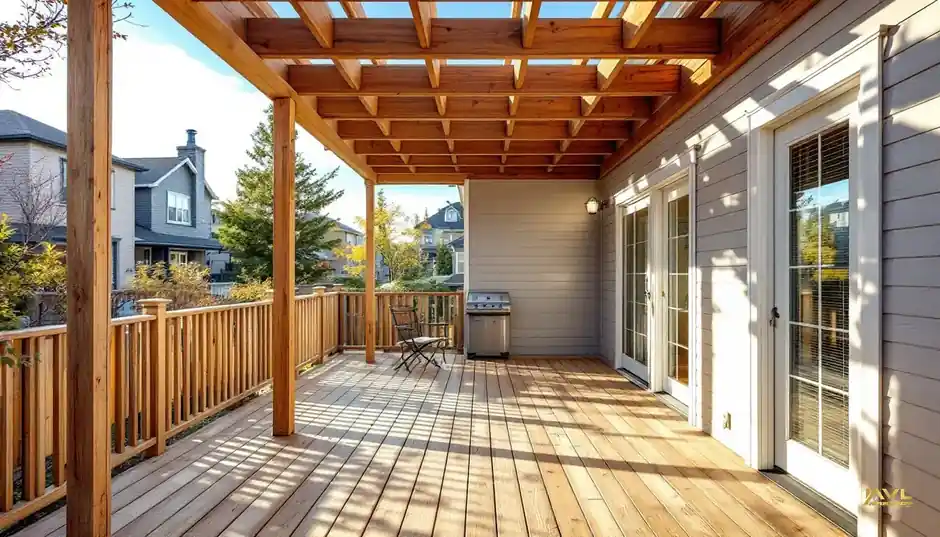
The Practical Impact of Bill 60 Ontario Landlord Tenant Changes
The core of the issue is access and control. Under the new framework, the balance of power regarding unit entry for maintenance has become increasingly scrutinized. If you own a detached home in Oakville, you likely have a basement apartment or a secondary suite. These spaces are often the first to fail inspection if the fire separation requirements aren't up to code. When you need to bring in a contractor to upgrade your life safety systems—smoke alarms, fire-rated drywall, or egress windows—you are legally required to provide notice. Under Bill 60, the scrutiny on whether that notice was "reasonable" is sharper than ever.
I’ve walked through properties where the landlord tried to force a renovation while the tenant was still in place. It never works. The tenant calls the city, the inspector shows up, and suddenly you have a stop-work order because you didn't file the proper building permits for the structural alterations. Now, you have a vacant, unfinished site, a pending legal battle, and a carrying cost that is bleeding you dry. The permit path in Oakville is not forgiving. If you have a TRCA setback issue or a minor variance required for a basement walk-out, that adds another six months to your timeline. You have to build these contingencies into your budget from day one.
Most landlords underestimate the soft costs. You aren't just paying for the trades; you are paying for the architectural drawings, the structural engineering sign-offs, and the municipal fees. On a standard detached home gut-renovation, these soft costs will hit $20,000 before you even buy a single sheet of drywall. If you are operating a rental, you have to ensure your lease agreements are ironclad, specifically regarding the right to perform capital repairs. If your lease is a generic template you pulled off the internet, you are setting yourself up for a failure that will cost you tens of thousands in the long run.
If you are considering a commercial-grade conversion or a multi-unit upgrade, take a look at our Commercial Construction Services to see how we handle high-complexity building envelopes.
Managing the Detached Home Envelope During Occupancy
Maintenance is the primary driver of tenant disputes. In Oakville, the humidity levels in the summer can wreck a basement suite if the HVAC mechanical ventilation isn't balanced correctly. When you have a tenant, they don't care about your building envelope; they care about their comfort. If the basement is damp, they will stop paying rent, or worse, they will call the property standards department. Once an inspector is on-site, they aren't just looking at the moisture; they are looking at everything. They will check the electrical panel, the sump pump discharge, and the structural integrity of your joists.
I recall a project in Old Oakville where the owner tried to replace the foundation waterproofing while the tenant was in the basement. It was a disaster. The excavation vibration cracked the interior drywall, the dust triggered the fire alarms, and the tenant filed a harassment claim. The landlord ended up paying the tenant's moving costs and three months of rent just to get them out so the work could be finished. This is why you need a phased construction plan. You do the exterior work when the unit is vacant, or you negotiate a lease termination agreement long before the first piece of equipment arrives on site.
The cost of a professional property manager or an experienced site lead is negligible compared to the cost of a stalled project. We see owners trying to manage their own renovations while holding down a full-time job. They miss the permit inspections, they forget to order materials in the right sequence, and they end up with a site that is sitting idle for weeks. In this market, time is the most expensive material you have. If you aren't moving, you are losing money on the interest of your construction loan, which is currently sitting at 7% to 9% for most private lenders.
Structural Realities and Building Code Compliance
When you start opening up walls in a detached home, you are going to find things you don't like. Maybe the wiring is knob-and-tube, or perhaps the plumbing is galvanized steel that’s ready to burst. If you are working under the new provincial guidelines, you have to bring those systems up to current code. You cannot just patch a wall and walk away. The electrical rough-in must be inspected by ESA, and the plumbing must be pressure-tested. If you have a tenant in the unit, these inspections become a nightmare of scheduling and potential conflict.
I have seen projects where the landlord tried to hide the renovation work. They worked at night, they didn't pull permits, and they hoped for the best. That is a losing strategy. In Oakville, the neighbors are observant. If they see a dumpster in your driveway for three months, they will call the town. Once the town shows up, you are looking at retroactive permit fees, which can be double the standard cost, plus the requirement to undo work to prove that the hidden systems are safe. It is a massive, unnecessary expense that ruins your ROI.
If you are planning to renovate, you need a clear sequencing schedule. You need to know exactly when the trades are coming, when the inspections are happening, and when the tenant needs to be out. You need to communicate this to the tenant in writing, well in advance. Do not rely on verbal agreements. If the tenant says they are fine with the work, get it in an N11 form. If they aren't fine with it, you need to be prepared to wait until the lease ends or negotiate a cash-for-keys exit. It sounds harsh, but it is the reality of being a landlord in the current Ontario climate.
The Financials of Renovation and Rental Yield
Let’s talk numbers. A high-end basement renovation in a detached home will run you roughly $150,000 to $200,000. That includes a new kitchen, a full bathroom, egress windows, and a dedicated HVAC system. If you aren't getting at least $2,500 a month for that unit, you are going to be years away from breaking even on the capital expenditure alone. When you factor in the potential for legal costs and the headaches of managing a tenant during a construction project, you have to be very careful about where you put your money.
I always tell my clients: don't renovate for the sake of renovating. Renovate to increase the value of the asset or to increase the rental yield. If you are doing it just because you think you should, don't. The return on investment for a basement suite is high, but only if the work is done right. If you have to tear out your work because it didn't pass the final inspection, your ROI just went to zero. You need to work with professionals who understand the local building department's expectations. In Oakville, the inspectors are thorough. They want to see the fire-rating documentation for the drywall and the load-bearing calculations for any structural changes.
We often see people trying to cut corners on the structural engineering. They think they can just put a beam in and it will be fine. It won't. If you are moving a load-bearing wall, you need an engineer’s stamp. If you don't have it, the city will stop you. And if you have a tenant, that stop-work order is going to be the catalyst for a long, drawn-out dispute that you will almost certainly lose. Protect your investment by doing the work properly the first time.

Frequently Asked Questions
How do Bill 60 Ontario landlord tenant changes affect my ability to renovate my detached home?
The changes primarily focus on the speed of LTB dispute resolution, but they also reinforce the importance of proper documentation for unit access. If you need to renovate a tenanted detached home, you must ensure your notice of entry is compliant and that you have a clear, documented reason for the work. Without proper legal and building permits, any attempt to force access can lead to significant delays and potential fines.
What is the most common reason for renovation delays in Oakville?
The most common cause is a lack of proper planning regarding the permit path. Whether it's an issue with TRCA setbacks, heritage designation, or simply failing to account for the time required for municipal plan review, owners often underestimate the timeline. Adding a tenant into the mix complicates scheduling, as you cannot simply force entry for non-emergency repairs without following the letter of the law.
How much should I budget for a basement suite renovation in a detached home?
For a code-compliant, high-quality suite in Oakville, you should budget between $120 and $180 per square foot. This covers everything from the structural envelope and fire separation to the finishes. Do not forget to include soft costs like architectural drawings, engineering, and permit fees, which can easily add another $20,000 to your total project cost.
Can I perform the renovation work myself to save money?
While you can do some of the work, the critical systems—electrical, plumbing, and structural—must be handled by licensed professionals to pass municipal inspections. If you try to do this work yourself without the proper credentials, you risk having your work condemned by the building inspector. This is a massive financial risk that can jeopardize your ability to rent the unit legally.
What should I do if my tenant refuses access for necessary maintenance?
You must follow the formal process outlined by the LTB. Do not attempt to force entry or threaten the tenant, as this can lead to harassment claims. Document every request for access, the reason for the maintenance, and the tenant’s refusal. If the maintenance is urgent, such as a water leak or a safety issue, you may have more leeway, but you should always consult with a legal professional before taking any action that could be construed as illegal eviction or harassment.
Final Thoughts on Long-Term Asset Management
Owning a detached home in Oakville is a significant responsibility, and the rental market adds layers of complexity that most people don't fully grasp until they are in the middle of a crisis. The goal isn't just to get the work done; it's to get it done in a way that protects your asset and your peace of mind. Whether you are dealing with the fallout of new legislation or just trying to keep your property up to code, the key is preparation. You need a team that understands the local building reality—from the soil conditions to the inspector’s preferences.
Do not go into this blind. If you are planning a project, get your permits, get your legal ducks in a row, and make sure your communication with your tenants is clear and professional. The market is shifting, and the days of "winging it" are over. If you want to maximize your returns, you have to treat your rental property like the business it is. That means investing in quality, respecting the law, and surrounding yourself with people who know the difference between a quick fix and a lasting solution.
We’ve spent years working in the GTA, helping owners navigate the complexities of the building envelope and the shifting regulatory landscape. We know what it takes to get a project across the finish line, and we know the pitfalls that can derail your progress. If you are ready to start your project, reach out to us. We can help you plan, manage, and execute your renovation with the precision that your investment deserves. Don't let a simple misunderstanding turn into a multi-year legal battle. Build it right, build it once, and move on to the next project.

For further reading on how recent legislation impacts your specific property type, see our related guides: Bill 185 Changes in Richmond Hill 2026: What Detached Home Buyers Need to Know, Oakville Bungalow Spring Maintenance Checklist 2026, and 2026 Guide to Renovating a Century Home in Toronto: Costs, Permits, and ROI.

Written by Ali Vaez
Founder & Principal Builder, AVL Custom Homes Inc.
BSc and MSc in Civil Engineering (Structural Engineering). Building since 2004 (outside Canada), serving the GTA since 2014, 17+ homes delivered.
Published: 2026-07-24 · 13 min read · 2,480 words
Ready to talk about your project?
AVL Custom Homes serves Oakville and the Greater Toronto Area — custom builds, renovations, and builder-led home maintenance.
Request a ConsultationOr call 647-466-6989
