
Home Maintenance Plan vs Handyman in the GTA — Which Do You Actually Need?
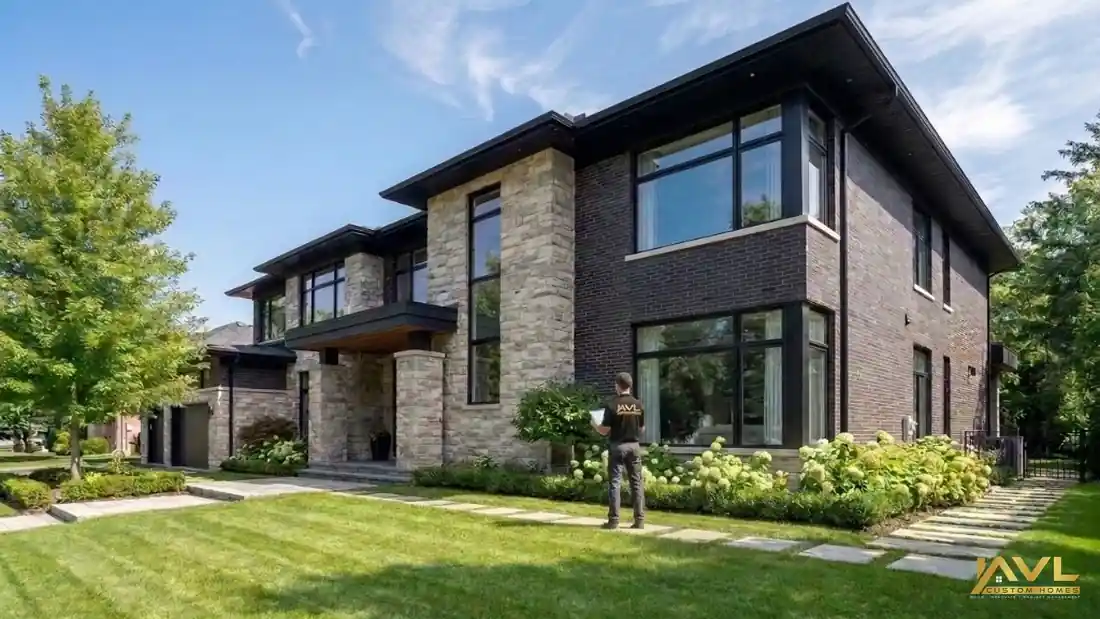
Most Toronto and GTA homeowners are not shopping for a “subscription.” They want the house to stay dry, warm and quiet—without spending weekends chasing trades.
That is why the choice is often framed as handyman versus plan. The better question is simpler: what problem are you solving?
A handyman solves a ticket. A maintenance plan manages a system. Both can be honest tools. The mistake is using one when you need the other—or assuming every company that says “home maintenance” actually documents, prioritizes and follows up.
Explore the AVL Annual Home Maintenance Plan · On-demand home maintenance
Handyman and plan solve different jobs
A capable handyman is valuable. So is a clear maintenance subscription. Confusion starts when marketing blurs them into the same product.
On-demand / handyman work answers: Can you fix this?
A home maintenance plan answers: What is changing, what matters, who should handle it, and what can wait?
If you already run that cycle yourself—records, seasonal reminders, reliable licensed trades—you may not need a plan. If the cycle keeps slipping until January emergencies, a plan is not a luxury product. It is operational insurance for one of your largest assets.
When a handyman or on-demand repair is enough
On-demand help is the right tool when:
- one specific item failed (leak, stuck window, noisy fan, damaged trim);
- the issue is visible and relatively low-risk;
- you already manage filters, gutters and seasonal checks yourself;
- you do not need a year of documentation for insurance, tenants or travel;
- you want a scoped repair without a 12-month commitment.
That path should exist without pressure to “upsell” into a subscription. AVL offers it as on-demand home maintenance—licensed coordination when something needs fixing.
On-demand is not the best fit when the real problem is pattern recognition: recurring basement humidity, ice-dam staining that returns every thaw, HVAC that “works” but runs longer each summer, or a vacant home with no visit record when an insurer asks what was checked.
When a home maintenance plan is the better fit
A plan—sometimes called a home maintenance subscription—is built for oversight, not just patching. It tends to win when:
- the home is larger, older or mechanically complex;
- you travel often or manage the property from elsewhere;
- you want seasonal inspections and a written condition trail;
- you are tired of coordinating HVAC, plumbing, roofing and envelope trades separately;
- you care about catching moisture, air leakage or mechanical drift before a winter emergency;
- you need someone to separate “monitor” from “repair now.”
A plan does not replace a repair reserve. Roofs, mechanical systems and finishes still age. What it should replace is guesswork: Was that crack wider last year? When was the furnace last serviced? Did that downspout always discharge beside the foundation?
For a deeper cost-and-scope view of oversight itself, read Are Annual Home Maintenance Plans Worth It in the GTA?
Side-by-side comparison
Use this table as a decision aid—not a sales script. The “best” column depends on the job in front of you.
| Need | Handyman / on-demand | Maintenance plan |
|---|---|---|
| Fix one broken item | Best fit | Usually overkill if that is all you need |
| Seasonal inspection schedule | You must remember and book | Built into a serious program |
| Written condition history | Rare | Expected—year-over-year comparison |
| Trade coordination | Usually your job | Coordinated under one lead |
| Priority ranking (monitor vs urgent) | Often “fix what I see” | Should classify findings clearly |
| Thermal / envelope screening | Uncommon | Available on builder-led plans |
| Cost shape | Pay per visit | Known monthly fee + scoped extras |
| Best for vacant / travel homes | Only if someone remembers to book checks | Stronger when visits are documented |
The problem is discrete, the cause is fairly clear, and you already manage the seasonal calendar yourself.
The problem is continuity—memory, priorities, trade sequencing and catching change before urgency decides for you.
Why builder-led oversight changes the questions
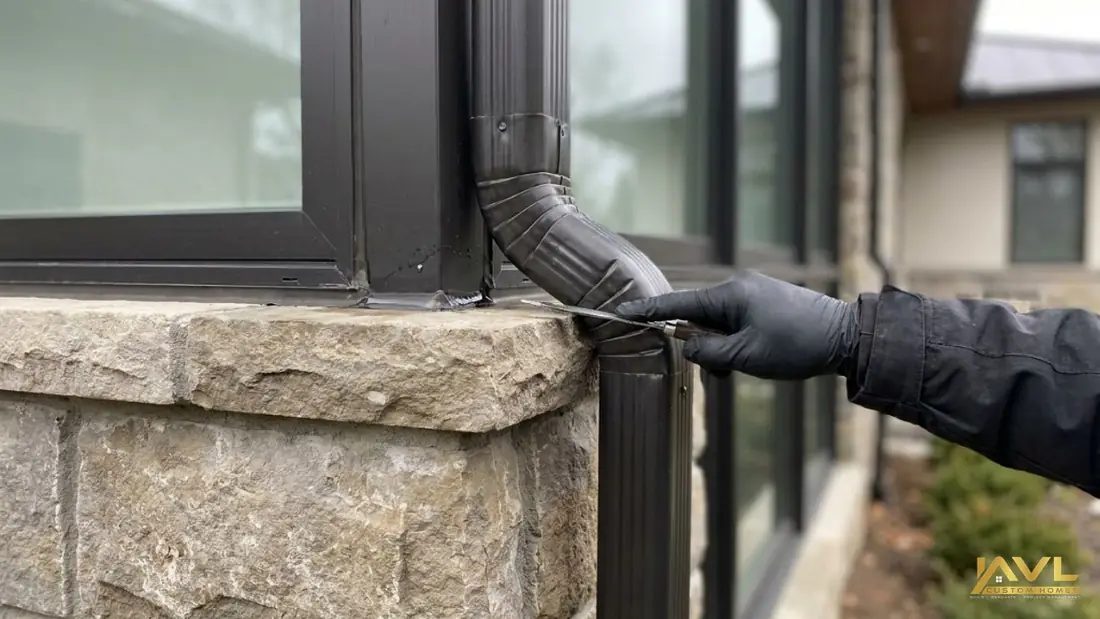
A generic checklist may say, “Check the caulking.” A builder-led review should ask what materials meet at the joint, whether the joint is meant to shed water or seal it, where water would travel if it failed, and whether the visible crack is the cause or only a symptom.
That is what “builder-led” should mean in practice:
- reading components as parts of an assembly;
- understanding how work was sequenced;
- identifying the appropriate trade instead of treating every symptom as an isolated handyman repair;
- documenting findings so the next visit is a comparison, not a fresh guess.
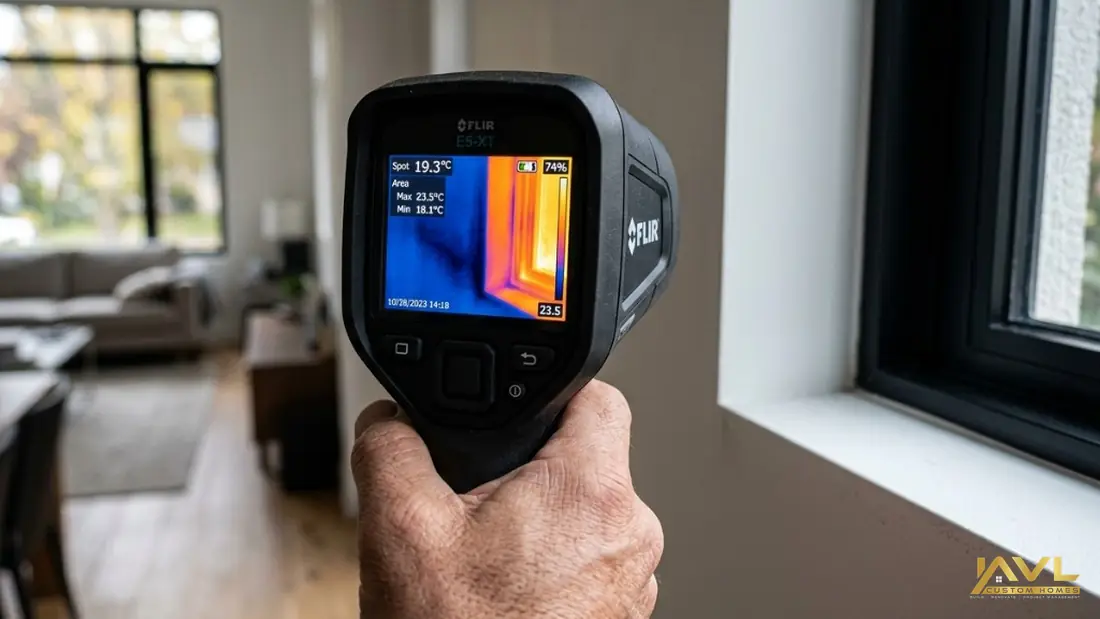
Thermal imaging belongs in the same honesty category. It is useful screening, not X-ray vision. Unusual temperature patterns may justify further investigation; they do not, by themselves, “prove a leak.”
Regulated work stays regulated. The Electrical Safety Authority states that a homeowner hiring someone for electrical work in Ontario must use a Licensed Electrical Contractor. Oversight coordinates; it does not replace licensing.
GTA friction points that reward a plan
Owners searching “home maintenance plans,” “home maintenance subscription” or “preventive home maintenance” are usually reacting to real local pressure—not marketing slogans:
- Ice dams and roof-edge moisture after freeze–thaw cycles;
- Basement humidity and summer condensation in older detached and townhouse stock;
- HVAC that was never sized or maintained for a renovated envelope;
- Drainage paths that shift after landscaping, additions or soil settlement;
- Vacant periods while owners travel—insurers ask what was checked, and a verbal “someone looked” is weak evidence.
The Insurance Bureau of Canada emphasizes keeping eavestroughs clear, directing downspouts away from the foundation, maintaining positive grading and ensuring sump systems work. Natural Resources Canada recommends professional pre-season HVAC checks. Those are not “plan talking points.” They are why seasonal continuity matters in this climate.
A handyman can patch a symptom on Tuesday. A plan is meant to reduce the number of surprises by logging what changed between seasons.
The hybrid most serious owners use
You do not have to pick an extreme: “I only call when it floods” versus “I need a plan for every small task.”
- Enrol in the Annual Home Maintenance Plan for scheduled oversight and documentation.
- Use on-demand maintenance when a discrete repair appears between visits.
- Keep DIY for filters, simple visual checks and alarm tests you are comfortable doing.
Usually reasonable for a homeowner
- Replace accessible HVAC filters as instructed.
- Test smoke and carbon-monoxide alarms.
- Look for visible leaks or condensation.
- Keep accessible drainage paths clear.
- Watch for new stains or changing cracks.
- Know the main water shutoff location.
Better handled by a qualified professional
- Fuel-burning appliance work.
- Refrigerant, combustion or internal HVAC service.
- Electrical work and investigation.
- Roof access or work at height.
- Persistent moisture with an unknown source.
- Structural movement or significant cracking.
Health Canada recommends professional HVAC maintenance, filter care per manufacturer instructions, and routine testing of certified smoke and carbon-monoxide alarms. Pair that baseline with AVL’s seasonal home maintenance checklist if you want a task list you can own between professional visits.
How to choose in five minutes
Answer these honestly:
- Do I already have a written seasonal checklist and reliable licensed trades on speed dial?
- Has something expensive failed in the last three winters because nobody caught it early?
- Would a documented visit history help me sleep—or help a property manager / insurer?
- Am I solving one broken item, or am I solving forgotten maintenance?
If you answered yes to #1, no to #2–3, and the job is one broken item, start with on-demand maintenance.
If #2, #3 or “forgotten maintenance” is the real issue, compare Annual Home Maintenance Plans. Silver starts at $119/month. Plan tier should follow property size, systems and oversight needs—not a one-size sales pitch.
What to ask before you buy any plan
- Is there a real condition review? Or mainly discounts and call-out benefits?
- What documentation will I receive? Can you compare year over year?
- How are findings prioritized? Monitor, maintain, repair, investigate, urgent.
- How is regulated work handled? Who does electrical, gas and roof work?
- What is excluded? Emergencies, materials, specialist fees and access limits should be clear.
- Does the service fit this property? A townhouse and a large custom home are not the same oversight problem.
How AVL fits: Build · Renovate · Protect
AVL is one builder-led team for the life of the property:
- Build — custom homes with permit discipline.
- Renovate — major renovations, additions and interiors.
- Protect — Annual Home Maintenance Plan for preventive oversight, plus on-demand maintenance when something needs fixing.
You do not need to have built with AVL to enrol. Every home in the GTA is welcome. The advantage we bring to care is the same advantage we bring to construction: we understand how houses are assembled, how they fail, and which trade should own the next step.
Current inclusions and pricing live on the program page—not in older articles: Annual Home Maintenance Plans, eligibility and pricing.
So which do you actually need?
If the problem is a single repair, hire the repair. If the problem is continuity—memory, priorities, seasonal timing and trade coordination—hire a plan. If you need both, use both.
The value of a good annual home maintenance plan is not a promise that nothing will break. Something eventually will. The value is knowing more before it happens: what was checked, what changed, what needs attention, what can wait and who should handle the next step.
Frequently asked questions
Is a home maintenance plan better than a handyman?
Neither is automatically better. A handyman or on-demand repair is the right tool for an isolated, low-risk job. A maintenance plan is better when you need scheduled reviews, written condition records, seasonal priorities and coordinated licensed trades. Many GTA owners use both.
What is a home maintenance subscription?
It is a recurring oversight program—usually billed monthly—that schedules property reviews, documents findings and coordinates follow-up. It is not the same as a discount club or a handyman package that only responds after something fails. AVL's Annual Home Maintenance Plan starts at $119/month for qualifying GTA homes.
When should I just call for on-demand maintenance?
Call on-demand when one specific item has failed or needs repair—a leak, stuck door, mechanical fault or finish damage—and you do not need year-round oversight right now. That path is available without a 12-month plan.
Does a maintenance plan replace licensed trades?
No. A serious plan coordinates the right trade. Fuel-burning appliances, refrigerant work, electrical investigation, roof access and structural concerns still belong with qualified professionals. In Ontario, electrical work requires a Licensed Electrical Contractor.
Do I need a plan if my home is new?
New homes still need filter care, envelope checks, drainage attention and warranty documentation. A plan can create an early condition baseline. A single handyman visit usually does not build that history.
Can AVL maintain a home it did not build?
Yes. The Annual Home Maintenance Plan and on-demand maintenance are open to every home in Toronto and the GTA. Prior AVL construction is not required. Every home is welcome; plan tier depends on size, systems and oversight needs.
Is builder-led care different from a general handyman company?
It should be. Builder-led review looks at assemblies—flashing, drainage paths, envelope transitions and mechanical interactions—instead of treating every symptom as an isolated patch. The goal is the right next step, not the fastest visible fix.
Will a plan stop expensive repairs?
No program can guarantee that. Preventive oversight can identify developing conditions earlier, support proper maintenance and give you more time to plan. Roofs, mechanical systems and finishes still age, and a repair reserve remains part of homeownership.
Sources and further guidance
- Insurance Bureau of Canada: Water Damage and Flood Protection
- Insurance Bureau of Canada: How to Manage Risks at Home
- Natural Resources Canada: Maintaining Your Home Heating and Cooling System
- Health Canada: Improve Indoor Air Quality in Your Home
- Electrical Safety Authority: Notifications and Inspections

Written by Ali Vaez
Founder & Principal Builder, AVL Custom Homes Inc.
Structural engineer with a BSc and MSc in Civil Engineering. Building since 2004 (outside Canada), serving the GTA since 2014, 17+ homes delivered.
Published: 2026-09-05 · 14 min read
Not sure which path fits?
Tell us about your home, occupancy and what has failed before. We will recommend a plan, on-demand service or a DIY checklist—no pressure.
Request a Maintenance ConsultationOr call 647-466-6989
