
2026 Vaughan Bathroom Renovation Guide: Costs, ROI, and Expert Tips
You pull the vanity, and you find the rot. It is the universal law of the trade. In a Vaughan detached home built during the suburban expansion of the late 1980s or early 1990s, the plumbing stacks are often undersized, and the subfloor has likely been weeping for a decade. If you are planning a renovation, start by setting aside $3,000–$5,000 for "unknowns." If you don't use it, you're ahead. If you do—and you often will—you aren't panicking.
Vaughan bathroom renovation costs depend on how much you change—not a single flat number. A 3-piece bathroom refresh keeping the same layout typically starts from about $15,000. A mid-range update with quality fixtures and tile often runs $18,000 to $28,000. A full gut of a 5×8 guest bath with layout changes and high-end finishes can reach $28,000 to $45,000. A primary ensuite with a wet room, curbless drain, and heated floors? $55,000 to $110,000+ depending on scope. These ranges reflect legal permits, insured trades, and Ontario Building Code (OBC) compliance—not showroom sticker prices.
Before you pick out marble tiles, you need to understand the Major Home Renovations landscape in Vaughan. The City of Vaughan is aggressive on permit enforcement. If you are changing the layout, the city will require a plumbing inspection and, if you are touching structural walls, a permit from the building department. Working without a permit in Vaughan is a gamble that usually ends the moment you try to sell your detached home, as buyers’ inspectors are trained to spot non-compliant work from a mile away.
Deconstructing Vaughan Bathroom Renovation Costs
The price tag for a bathroom is not just the vanity and the faucet. It is the "hidden" infrastructure. In a typical detached home in Woodbridge or Maple, the electrical system is likely outdated. Bringing a bathroom up to 2026 code requires a dedicated 20-amp circuit for the outlets, a GFCI-protected lighting circuit, and exhaust fans that move a specific volume of air per minute. If your panel is full, you are looking at a $2,500 upgrade to your service capacity before the first tile is laid.
Labour accounts for 60% of your total budget. When you see a "luxury" quote, you are paying for the precision of the tile setter. Waterproofing is the most critical phase. If you are installing a steam shower, the cost of the membrane system—like Schluter-Kerdi or Wedi—is significant. You aren't just buying boards; you are buying a sealed envelope. If you cut corners here, you are paying for a total gut job again in five years. Do not let a general contractor tell you that "a bit of cement board" is enough for a steam room.
Material costs have stabilized, but the "luxury" tier of materials—large-format porcelain slabs, custom millwork, and high-end plumbing fixtures like Dornbracht or Rohl—are still subject to supply chain lead times of 8 to 12 weeks. If you want a specific finish, you order it before the demolition crew arrives. Waiting for a faucet to arrive from Italy while your crew sits idle is a fast way to blow your contingency budget.
The TRCA and Permit Path
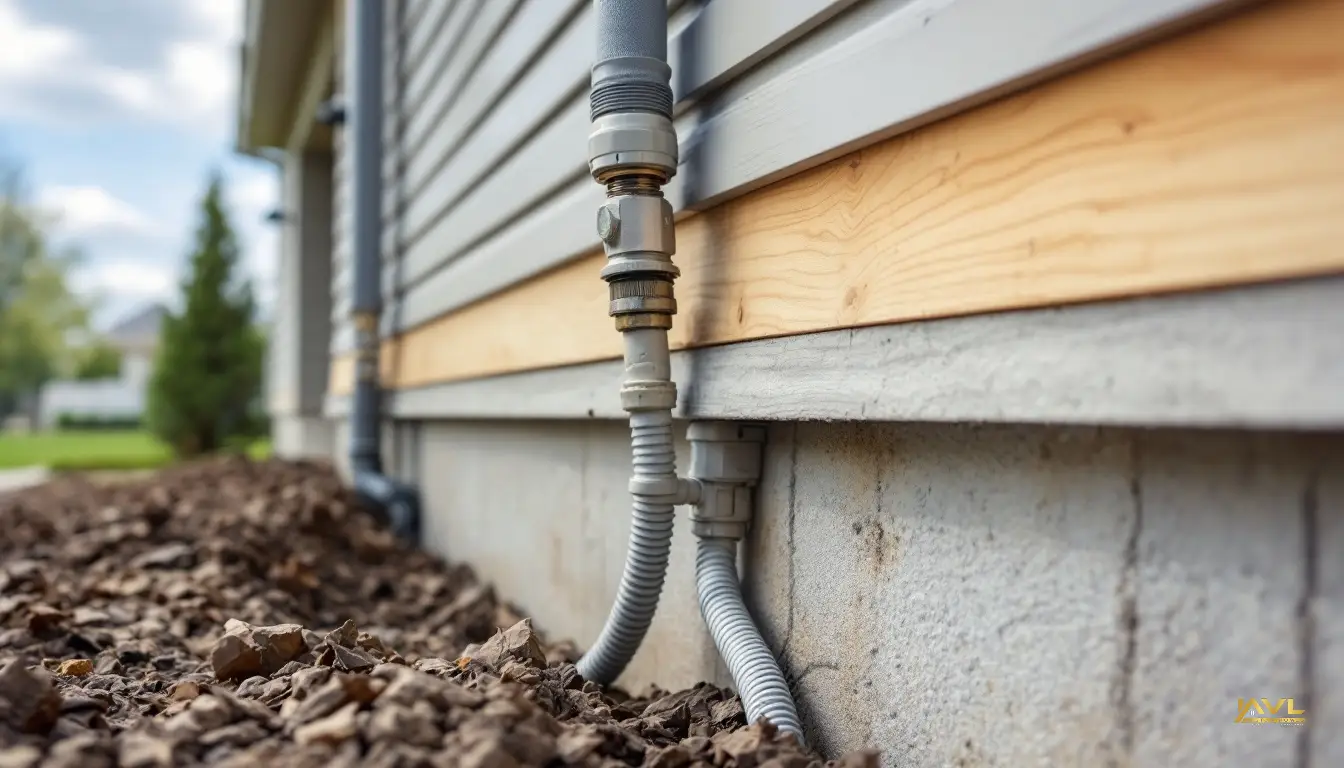
Vaughan has unique geographical constraints. If your detached home sits near the Humber River or any protected valley land under the jurisdiction of the Toronto and Region Conservation Authority (TRCA), your renovation scope might be more complicated than you think. While interior work rarely triggers a TRCA permit, any exterior work or significant foundation changes can lead to a "permit path" nightmare that delays projects by months.
When you start looking at Basement Renovations, you realize that the plumbing in a basement bathroom is fundamentally different from a second-floor ensuite. In a basement, you are likely breaking through concrete. This requires a saw-cut, excavation, and a new tie-in to the main stack. In older homes, this might even require a backwater valve installation to meet modern municipal flood mitigation standards. This single item can add $4,000 to your basement bathroom budget.
The ROI on a bathroom renovation in a Vaughan detached home is rarely 100%. You should expect a return of 60% to 75% on your investment. If you spend $80,000 on a bathroom, do not expect your property value to jump by $100,000. You are buying lifestyle, longevity, and the ability to sell your home quickly. In the current market, buyers are looking for move-in ready properties. A bathroom that looks like it was renovated in 1998 is a massive liability that will cause buyers to subtract $50,000 from their offer price immediately.
Structural Realities and OBC 9.36
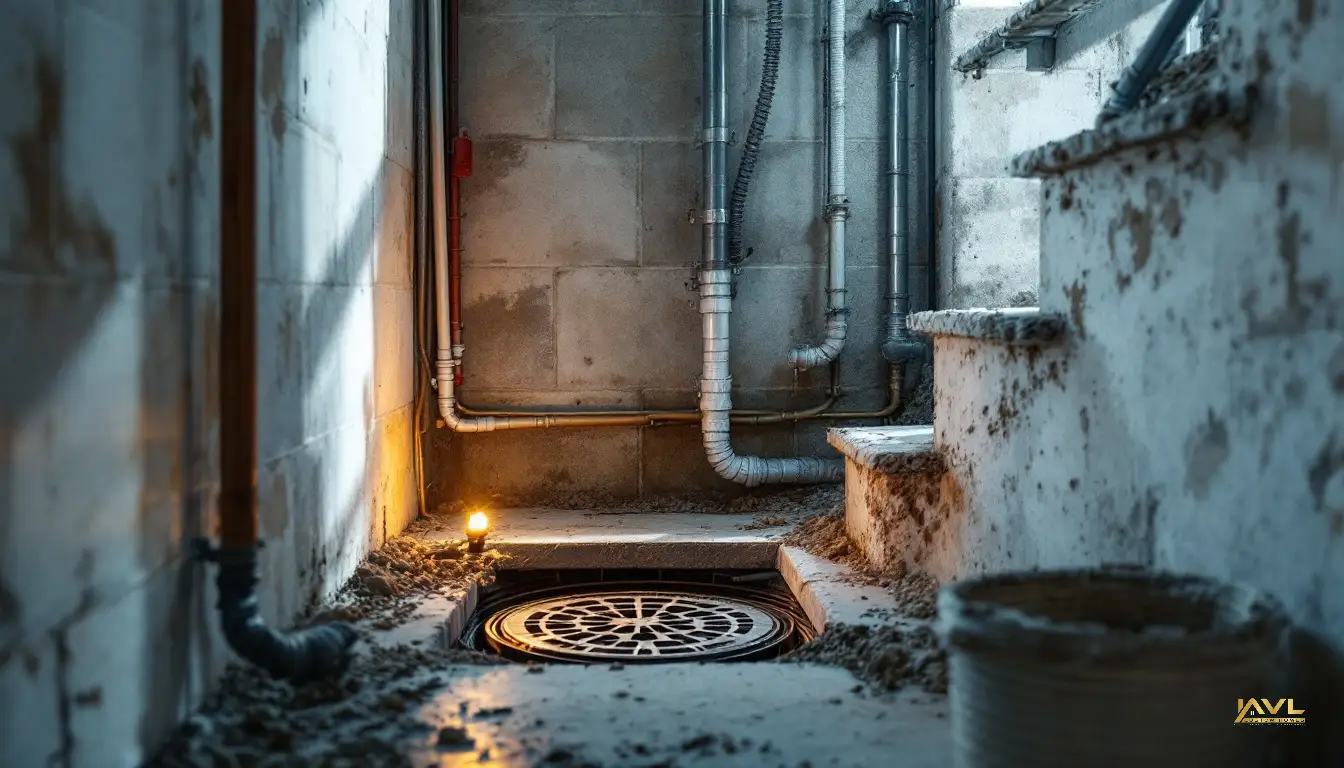
The Ontario Building Code (OBC) section 9.36 regarding energy efficiency is no longer a suggestion; it is the law. If you are renovating an exterior wall in your bathroom, you must upgrade the insulation to meet current R-value requirements. This often means removing old fiberglass batts and installing rigid continuous insulation. If you ignore this, you risk moisture buildup and mold growth, which will rot your wall studs from the inside out.
I have seen countless homeowners attempt to save money by doing their own demolition. It is a mistake. You don't know where the electrical lines are run, you don't know if the wall you are knocking down is load-bearing, and you don't have the disposal bins required to handle the volume of debris. A 5x8 bathroom produces about 2,000 pounds of construction waste. That is a full bin rental and disposal fee of roughly $600 to $800 in the GTA.
If you are planning to renovate, look at the Vaughan Residential Infill Construction Guide 2026 to understand how the city views major structural alterations. Even for a bathroom, if you are changing the footprint, you are technically modifying the building envelope. This triggers a requirement for a professional assessment of the structural integrity of the floor joists. If you are adding a heavy stone soaking tub, you need to check if your floor joists are rated for the point load. An average cast-iron tub filled with water and a person can weigh over 800 pounds. If your joists are 2x8s spaced at 16 inches on center, you have a problem.
The Hidden Costs of Fine Finishes
The "finish" is where the budget goes to die. A simple vanity might cost $1,200, but a custom-built vanity with integrated lighting, soft-close drawers, and marble countertops will run you $5,500. Then there is the tile. Large-format porcelain tiles are popular, but they require a perfectly level substrate. If your floor is out of level by more than 1/8th of an inch over 10 feet, the tiles will crack. You must use a self-leveling underlayment. This adds $1,500 in materials and labor.
Lighting is another area where costs balloon. A high-end bathroom needs layers: vanity lighting, overhead recessed lighting, and perhaps a toe-kick LED strip for night usage. You need a lighting plan that accounts for the color temperature of the bulbs. If you mix 2700K and 4000K bulbs, the bathroom will look disjointed and cheap, regardless of how much you spent on the fixtures.

FAQ: Navigating Your Renovation
Why is the permit process for a bathroom in Vaughan so expensive?
The permit fee itself isn't the killer; it is the professional requirements that follow. When you pull a permit, you are often required to provide drawings that show compliance with the OBC. If you are moving plumbing or electrical, you need a licensed contractor to sign off on the work. The cost is actually the price of compliance, which protects you from insurance claims and future resale issues.
Is it cheaper to keep the existing bathroom layout?
Absolutely. Keeping the toilet, vanity, and shower in their original locations saves you at least $6,000 to $10,000 in plumbing and electrical rough-ins. When you move fixtures, you are forced to open walls, drill through joists, and potentially replace old galvanized piping. If your budget is tight, focus on high-quality finishes rather than a layout change.
How long should a bathroom renovation in a detached home take?
For a professional team, a full-gut bathroom renovation in a Vaughan detached home should take between four and six weeks. If it takes longer, your contractor is likely managing too many projects at once. If it takes less time, they are likely skipping the necessary curing time for waterproofing membranes and tile adhesives, which will lead to failure.
Do I really need to worry about mold in a 20-year-old bathroom?
Yes. Even if you don't see it, the areas behind the shower valve or under the vanity are prime candidates for mold. Most bathrooms from the 1990s and 2000s were built with "green board," which is not waterproof. Once the tile grout fails, the moisture goes straight into the paper face of the drywall. It is a ticking time bomb.
What is the most common mistake homeowners make in Vaughan?
The most common mistake is buying materials before having a design plan. You end up with a vanity that doesn't fit the plumbing rough-in or tile that isn't suitable for a wet area. Always have your contractor review your material list against the site conditions before you place any orders. It saves you from the "return and restock" fee cycle.
The Final Word on Execution
If you are looking for a baseline, read the 2026 Raised Bungalow Renovation Costs in North York: A Comprehensive Guide for a comparison of how different housing stock impacts your bottom line. A detached home in Vaughan offers more flexibility than a bungalow in North York, but the expectations for finish quality are significantly higher. When you are interviewing contractors, ask them how they handle the dust. If they don't have a plan for HEPA-filtered air scrubbers and floor protection, they aren't the right crew for your home.
Your goal should be a bathroom that functions as well as it looks. Don't fall for the "Instagram-only" aesthetic. A marble floor that is slippery when wet is a safety hazard. A vanity that is too low will hurt your back. A shower that has no place to store shampoo will look cluttered within a week. Design for the reality of your daily life. You are the one who has to live in it for the next twenty years — which is why ongoing home maintenance matters for waterproofing, ventilation, and mechanical follow-up after the remodel.
Finally, consider the 2026 Guide to Renovating a Century Home in Toronto: Costs, Permits, and ROI to understand how different eras of construction demand different approaches. While your Vaughan detached home isn't a century home, the principle of respecting the house's bones remains the same. Do not try to force a modern, minimalist design into a house that doesn't support it structurally or aesthetically. Build for the house you have, not the house you saw in a magazine.
Construction is a messy, loud, and expensive process. There is no way around that. But if you budget for the unknowns, hire professionals who respect the building code, and prioritize long-term durability over short-term trends, you will end up with a bathroom that adds real value to your Vaughan detached home. Keep your eyes on the site, keep your contingency fund intact, and don't let the small details derail the big picture.

Written by Ali Vaez
Founder & Principal Builder, AVL Custom Homes Inc.
Structural engineer with a BSc and MSc in Civil Engineering. Building since 2004 (outside Canada), serving the GTA since 2014, 17+ homes delivered.
Published: 2026-07-21 · 11 min read · 2,002 words
Ready to talk about your project?
AVL Custom Homes serves Vaughan and the Greater Toronto Area — custom builds, renovations, and builder-led home maintenance.
Request a ConsultationOr call 647-466-6989
