
Richmond Hill Fall Basement Water Intrusion Prevention for Older Detached Homes
Older detached homes in Richmond Hill are susceptible to fall basement water intrusion due to shifting soil, aging infrastructure, and freeze-thaw cycles. Proactive measures like maintaining exterior grading, cleaning eavestroughs, and inspecting foundation cracks are essential. Addressing these issues before winter can prevent significant damage and costly repairs, often requiring permits for major work.
You might notice a musty smell in your basement, or a dark stain appearing on a wall after heavy rain. Perhaps you hear the drip of water that was not there before. These are common signs that your older detached home in Richmond Hill may be experiencing water intrusion, a problem often worsened in the fall.
What Causes Fall Basement Water Intrusion in Older Richmond Hill Homes?
Fall basement water intrusion in older Richmond Hill homes typically results from a combination of aging infrastructure, seasonal weather patterns, and the cumulative effects of minor issues. As homes age, their original waterproofing systems, such as weeping tiles, can deteriorate or become clogged. The ground around the foundation settles over decades, often leading to negative grading that directs water towards the house rather than away from it.
Older streets in Crosby, Mill Pond, and South Richvale often have settled grading and the original weeping tile. Farther north, Oak Ridges and Jefferson sit on the Oak Ridges Moraine, where a wet fall can still load that tile. Start the inspection outside.
Heavy fall rains, common in Ontario, saturate the soil around your foundation. If this soil is already poorly graded or if your eavestroughs and downspouts are not managing rainwater effectively, water will pool against the basement walls. The freeze-thaw cycles that begin in late fall and continue through winter can then exacerbate existing foundation cracks, turning small openings into significant entry points for water. These cycles expand and contract water trapped in cracks, widening them over time.
Common Water Entry Points for Older Homes
- Foundation Cracks: Visible or hairline cracks in the concrete or block foundation.
- Weeping Tile Failure: Clogged, crushed, or deteriorated perimeter drainage systems.
- Poor Exterior Grading: Ground sloping towards the house, directing rainwater to the foundation.
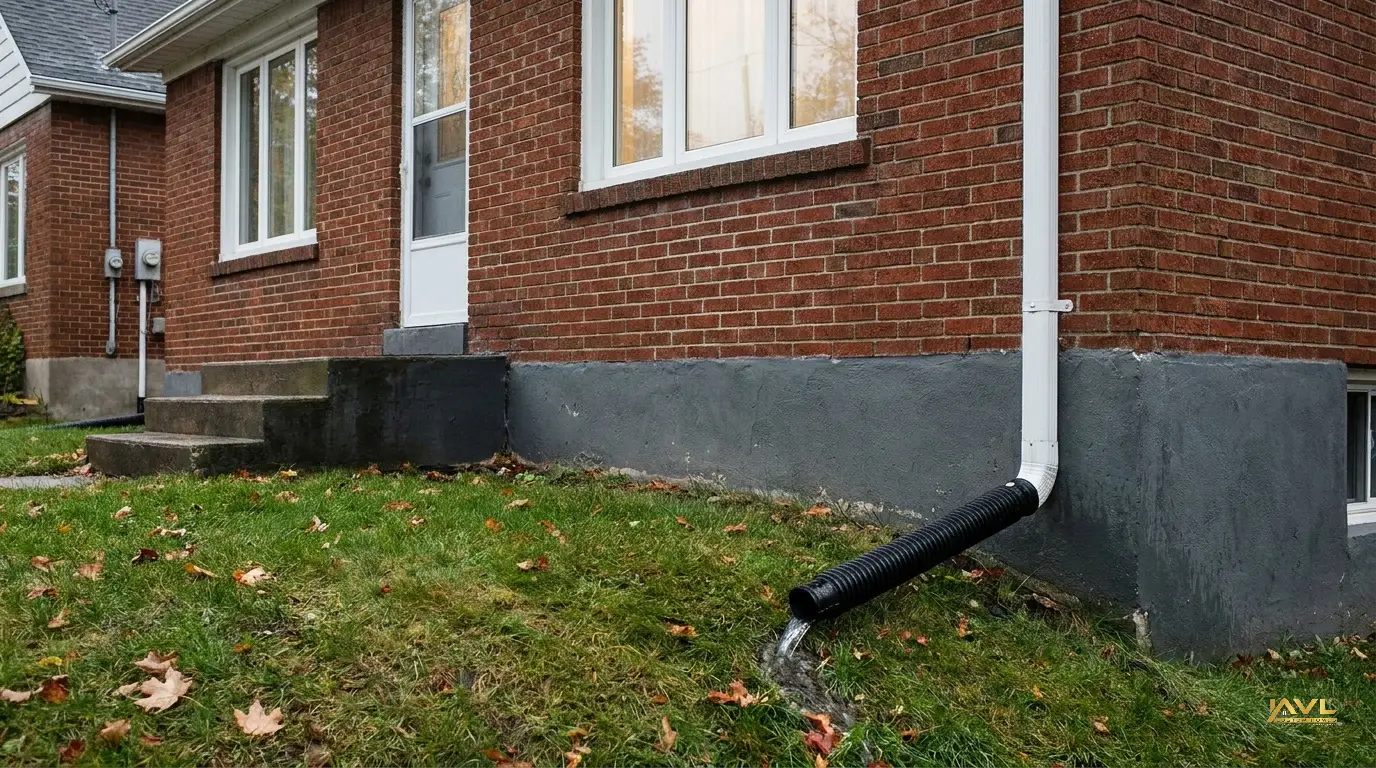
- Eavestrough and Downspout Issues: Clogged gutters or downspouts that discharge water too close to the foundation.
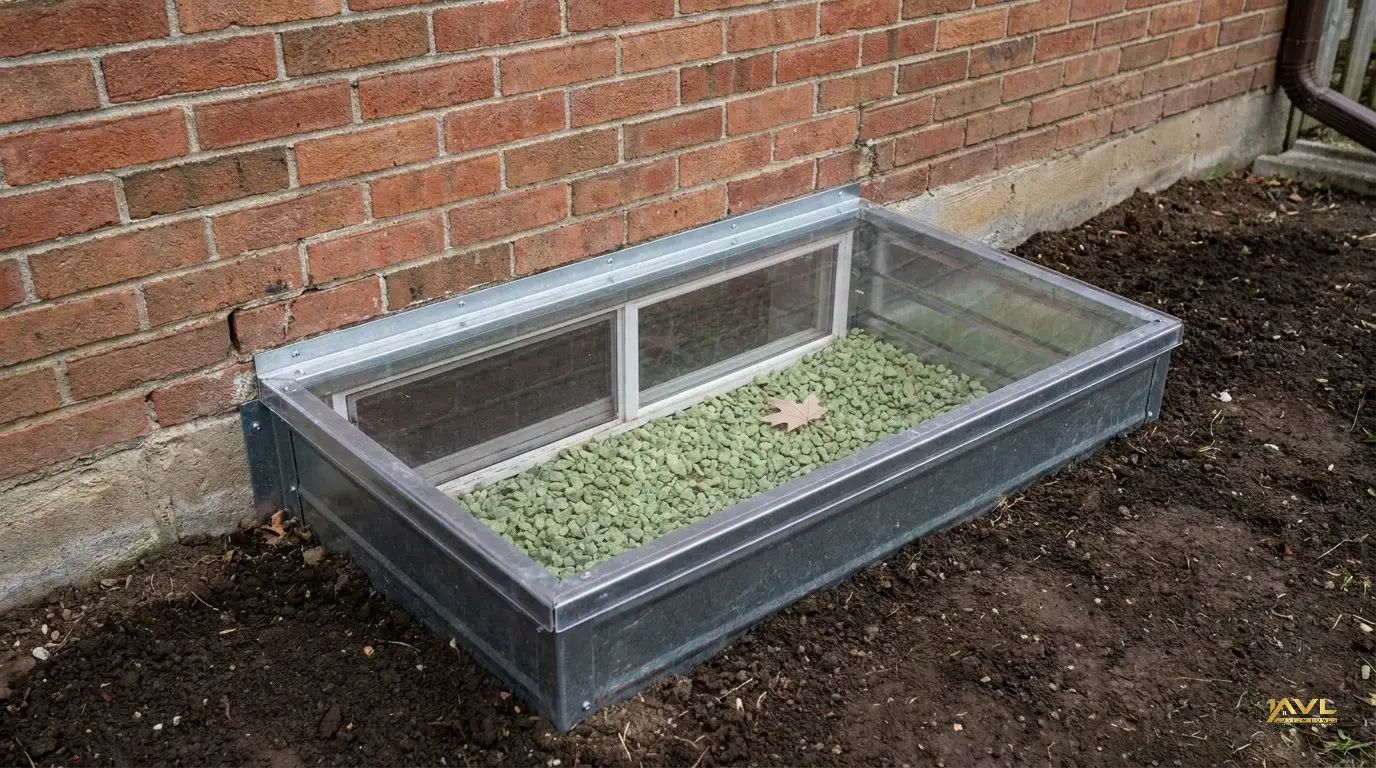
- Window Well Drainage: Improperly installed or maintained window wells that fill with water.
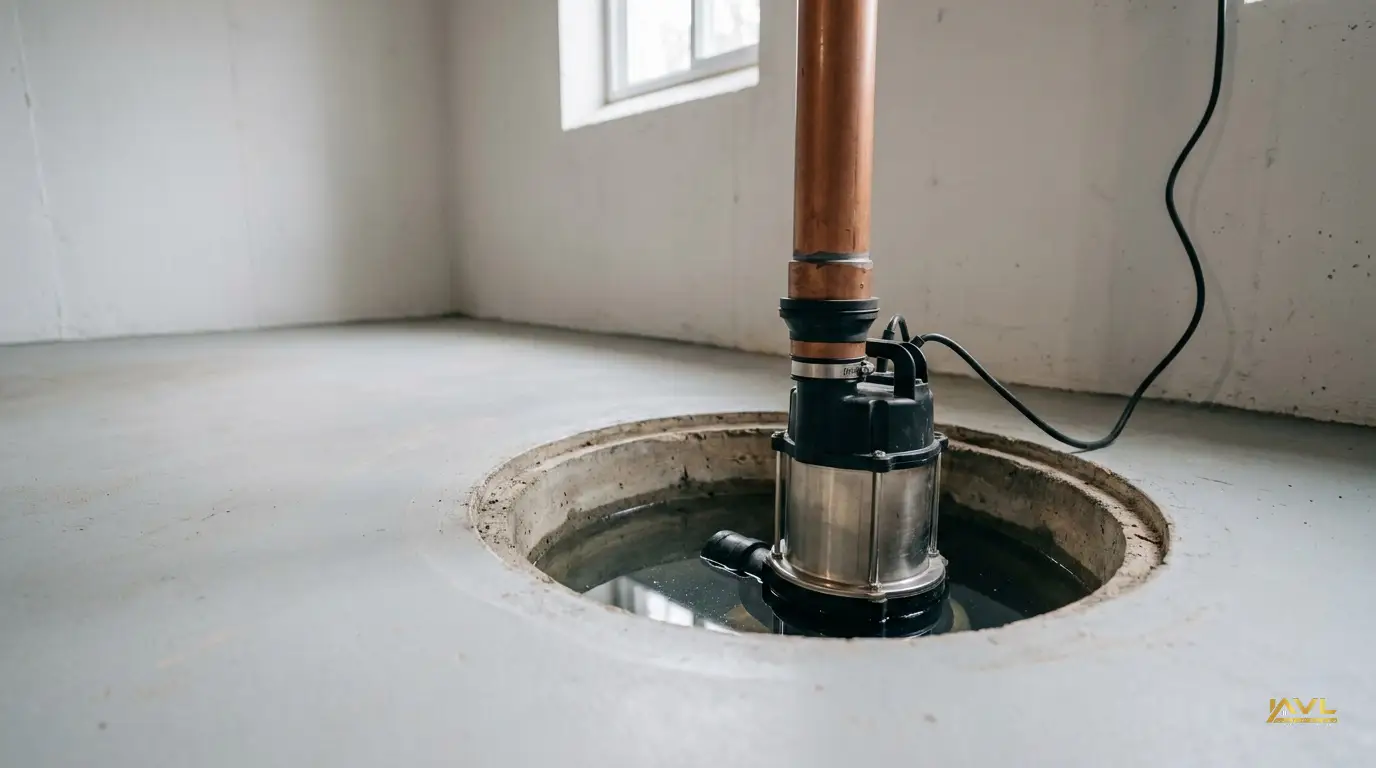
- Sump Pump Failure: Non-functional or undersized sump pumps in homes with existing drainage systems.
Why is Fall a Critical Time for Basement Water Prevention in Richmond Hill?
Fall is a critical period for basement water prevention in Richmond Hill because it precedes the harsh winter conditions and the subsequent spring thaw. Heavy rains in autumn saturate the ground, testing the effectiveness of your home's drainage systems. Any weaknesses in your exterior grading, eavestroughs, or foundation integrity will likely become apparent during this time.
The ground around your home will freeze solid during winter. If water has already penetrated the soil and is pooling near your foundation, this freezing can exert immense pressure, known as hydrostatic pressure, against your basement walls. This pressure can force water through existing cracks or create new ones. In Richmond Hill the calls pile up in March and April, after meltwater hits grading and weeping tiles that were left alone in the fall. Addressing these vulnerabilities now, before the ground freezes, is a proactive step that can prevent significant damage and costly emergency repairs later.
Seasonal Water Damage Risks in the GTA
The cost of repairing basement water damage from a single event can range from $10,000 to over $50,000, depending on the extent of damage and whether finishes need to be replaced. This figure does not include the potential for mold remediation or structural repairs. Proactive fall prevention measures are a small investment compared to these emergency costs.
What are the First Steps to Inspect Your Richmond Hill Home for Water Risks?
Inspecting your Richmond Hill home for water risks involves a systematic check of both exterior and interior elements. You can perform many of these initial checks yourself before deciding if professional help is needed.
Exterior Inspection Checklist:
- Grading: Walk around your home and observe the ground slope. The soil should slope away from your foundation at least 6 inches over the first 10 feet. Look for areas where water might pool.
- Eavestroughs and Downspouts: Check that your eavestroughs are clear of leaves and debris. Ensure downspouts are securely attached and extend at least 6 feet away from the foundation, discharging water onto a splash pad or into a proper drainage system. Look for any signs of overflow or leaks.
- Foundation: Examine your foundation walls for cracks, efflorescence (white, powdery mineral deposits), or damp spots. Pay close attention to corners, around windows, and where pipes enter the house.
- Window Wells: Confirm window wells are clean and free of debris. They should have proper drainage, often a gravel base connected to the weeping tile system, to prevent water accumulation.
- Landscaping: Note any large trees or shrubs too close to the foundation. Their roots can compromise weeping tiles or even damage the foundation over time.
Interior Inspection Checklist:
- Basement Walls and Floor: Look for water stains, dampness, mold, or musty odors. Check along the base of the walls and in corners.
- Sump Pump: If you have one, verify it is operational. Pour a bucket of water into the pit to ensure the float switch activates the pump. Check the discharge pipe for obstructions and ensure it directs water away from the house.
- Pipes and Drains: Inspect all visible pipes for leaks. Ensure floor drains are clear.
- Humidity Levels: High humidity in the basement can indicate moisture problems, even without visible water.
If you find significant cracks, consistent dampness, or suspect weeping tile issues, consider a professional assessment. For help maintaining your home, consider an Annual Home Maintenance Plan in Richmond Hill.
When Do You Need a Permit for Water Intrusion Prevention Work in Richmond Hill?
Many significant water intrusion prevention projects, especially those involving structural changes or excavation, require a building permit from the City of Richmond Hill. It is crucial to understand these requirements before starting any work. Failing to obtain necessary permits can lead to stop-work orders, fines, and complications when selling your home.
Permit Requirements for Basement Water Prevention in Richmond Hill:
- Exterior Excavation and Waterproofing: Any work that involves excavating around the entire foundation to replace or repair weeping tiles, apply exterior waterproofing membranes, or install new drainage systems will require a permit. This work affects the structural integrity of the foundation temporarily and changes the building envelope.
- Structural Repairs: If foundation cracks are significant enough to be structural, or if any portion of the foundation wall needs rebuilding or underpinning, a permit is mandatory. This will typically require structural drawings stamped by a licensed Professional Engineer (P.Eng). I coordinate this work to ensure all drawings and specifications meet code.
- Changes to Drainage Systems: Installing or significantly altering interior drainage systems, such as trench drains or new sump pump pits that connect to existing plumbing, may require a permit, especially if it involves changes to sanitary or storm sewer connections.
- Backwater Valve Installation: While often done by a plumber, installing a backwater valve to prevent sewer backup usually requires a permit, as it involves modifications to the main drainage system.
For minor repairs like sealing small, non-structural cracks or extending downspouts, a permit is generally not needed. However, if you are unsure, I advise contacting the City of Richmond Hill Building Department directly to confirm specific requirements for your project. This ensures compliance with the Ontario Building Code, particularly drainage (Section 9.14) and dampproofing and waterproofing (Section 9.13).
How Much Does It Cost to Prevent Basement Water Intrusion in Richmond Hill?
The cost to prevent basement water intrusion in Richmond Hill depends on the work needed, the problem's severity, and the chosen repair methods. Addressing issues early can prevent major basement flooding. Here is a typical range of costs for common prevention and repair methods:
| Prevention/Repair Method | Typical Cost Range (GTA, 2026) | Notes |
|---|---|---|
| Exterior Grading Improvement | $1,500 - $7,000+ | Depends on site conditions, amount of soil needed, and landscaping disruption. |
| Eavestrough & Downspout Repair/Extension | $300 - $1,500 | For cleaning, minor repairs, or adding extensions. Full replacement is more. |
| Interior Foundation Crack Repair (Injection) | $500 - $2,000 per crack | Urethane or epoxy injection for non-structural cracks. |
| Sump Pump Installation/Upgrade | $800 - $2,500 to replace the pump; $2,500 - $5,000 when the pit and discharge are new | Pump replacement is the smaller job. A new pit, discharge line, and electrical work cost more. Dual-pump systems cost more again. |
| Exterior Weeping Tile Replacement & Waterproofing | $20,000 - $50,000+ | Major excavation, new weeping tiles, membrane application, backfill. Per linear foot basis. |
| Interior Drainage System (Weeping Tile) | $10,000 - $25,000+ | Breaking concrete slab, installing dimple board, new drainage, concrete repair. |
| Window Well Drainage Improvement | $500 - $2,000 per well | Cleaning, adding gravel, connecting to drainage. |
These figures are representative market guidance for the Greater Toronto Area. The actual cost for your project will depend on a detailed assessment. Always get multiple quotes and ensure the scope of work is clearly defined. A tested sump pump with a clear discharge line is a small job compared with a finished basement full of meltwater.
Permit and Engineering Costs
For projects requiring a permit, budget an additional $500 to $2,000 for permit fees and inspections. If structural drawings are needed, expect to pay a licensed P.Eng between $2,000 and $5,000 or more, depending on the complexity of the design. These are soft costs that are separate from the physical construction work.
What are the Key Exterior Prevention Strategies for Older Detached Homes in Richmond Hill?
Exterior prevention strategies are the first line of defense against basement water intrusion, especially for older detached homes in Richmond Hill. These measures divert water away from your foundation before it can penetrate.
Effective Exterior Water Management:
- Improve Exterior Grading: This is often the most impactful and overlooked strategy. The ground around your foundation must slope away from the house. Adding soil to create a positive slope directs rainwater and snowmelt away. Ensure any new soil is properly compacted to prevent future settlement.
- Maintain Eavestroughs and Downspouts: Regularly clean your eavestroughs to prevent clogs. Install downspout extensions that discharge water at least 6 feet away from the foundation. Consider installing underground drainage pipes to carry water even further away, especially if your property has limited setback or is close to a neighbour.
- Inspect and Repair Weeping Tiles: The weeping tile system collects water from around your foundation and directs it to a sump pump or municipal storm sewer. For older homes, these systems can be clogged with silt, roots, or simply collapse. Repair or replacement involves excavation, which is a significant undertaking requiring careful planning and likely a permit.
- Seal Foundation Cracks: For non-structural cracks, exterior crack injection or patching can be effective. This involves exposing the crack from the outside and sealing it with a suitable waterproofing material. For extensive cracking, a full exterior waterproofing membrane application might be necessary.
- Address Window Wells: Ensure window wells are kept clean and have a proper gravel base. If they frequently fill with water, they may need a dedicated drainage connection to the weeping tile system.
These exterior measures are essential for preventing water issues. Without proper exterior management, interior solutions often become overwhelmed. For professional assistance with these tasks, consider our professional home maintenance services.
What Interior Measures Help Prevent Basement Water in Richmond Hill?
While exterior measures are the primary defense, interior prevention strategies manage water that bypasses the exterior, or for homes where exterior work is not feasible or sufficient.
Key Interior Water Management:
- Sump Pump Systems: For homes with existing weeping tiles or a high water table, a reliable sump pump is essential. Ensure your sump pump is properly sized for your basement, has a battery backup, and is regularly tested. The discharge pipe must direct water well away from your foundation.
- Interior Weeping Tile (Sub-Slab Drainage): If exterior excavation is not an option, an interior weeping tile system can be installed. This involves breaking the basement slab around the perimeter, installing a drainage pipe and gravel, and connecting it to a sump pump. This system collects water as it enters the basement from the foundation walls and directs it away.
- Backwater Valves: Installing a backwater valve on your main sanitary drain can prevent municipal sewer backups into your basement during heavy rainfall. This is a common issue in older neighbourhoods with combined sewer systems or during peak storm events. Installation typically requires a permit and a licensed plumber.
- Interior Crack Repair: For non-structural foundation cracks, urethane or epoxy injection from the interior can seal them. This is often a quicker and less disruptive solution than exterior crack repair, though it doesn't address the root cause of water pooling outside.
- Dehumidification: While not a direct water prevention method, using a dehumidifier helps manage basement humidity levels, preventing mold and mildew growth in damp environments. This is a good complementary strategy once water entry points are sealed.
How Do You Choose a Contractor for Basement Waterproofing in Richmond Hill?
Choosing the right contractor for basement waterproofing in Richmond Hill means finding a builder who understands older homes, structural considerations, and local permit requirements.
Decision Criteria for Selecting a Contractor:
- Experience with Older Homes: Look for contractors experienced with older detached homes, as they present unique challenges compared to new builds. Ask about their understanding of different foundation types and common issues in Richmond Hill.
- Licensing and Insurance: Verify that the contractor is licensed and carries comprehensive liability insurance and WSIB coverage. This protects you from financial responsibility in case of accidents or damage.
- References and Reviews: Ask for references from past clients and check online reviews. Speak to references about their experience, project timelines, and communication.
- Detailed Quotes: Obtain multiple written quotes that clearly outline the scope of work, materials, timeline, and payment schedule. Compare these quotes thoroughly. A lower price might indicate a reduced scope or shortcuts.
- Permit Handling: Confirm that the contractor understands the permit process for Richmond Hill and will assist with or manage obtaining all necessary permits and inspections. I will coordinate with a licensed P.Eng to ensure all structural drawings are stamped and approved when required.
- Warranty: Understand the warranty offered on both materials and workmanship. A reputable contractor will provide a clear, written warranty for their work.
- Communication: Choose a contractor who communicates clearly and promptly. You need to be informed throughout the project.
Remember that the cheapest quote is not always the best value. Prioritize experience, reputation, and a clear understanding of the work needed to protect your home. Investing in quality work now will save you from future headaches and expenses.

Written by Ali Vaez
Founder & Principal Builder, AVL Custom Homes Inc.
BSc and MSc in Civil Engineering (Structural Engineering). Building since 2004 (outside Canada), serving the GTA since 2014, 17+ homes delivered.
Published: November 4, 2026 · 14 min read · 2,850 words
Ready to talk about your project?
AVL Custom Homes serves Richmond Hill and the Greater Toronto Area — custom builds, renovations, and builder-led home maintenance.
Request a ConsultationOr call 647-466-6989
